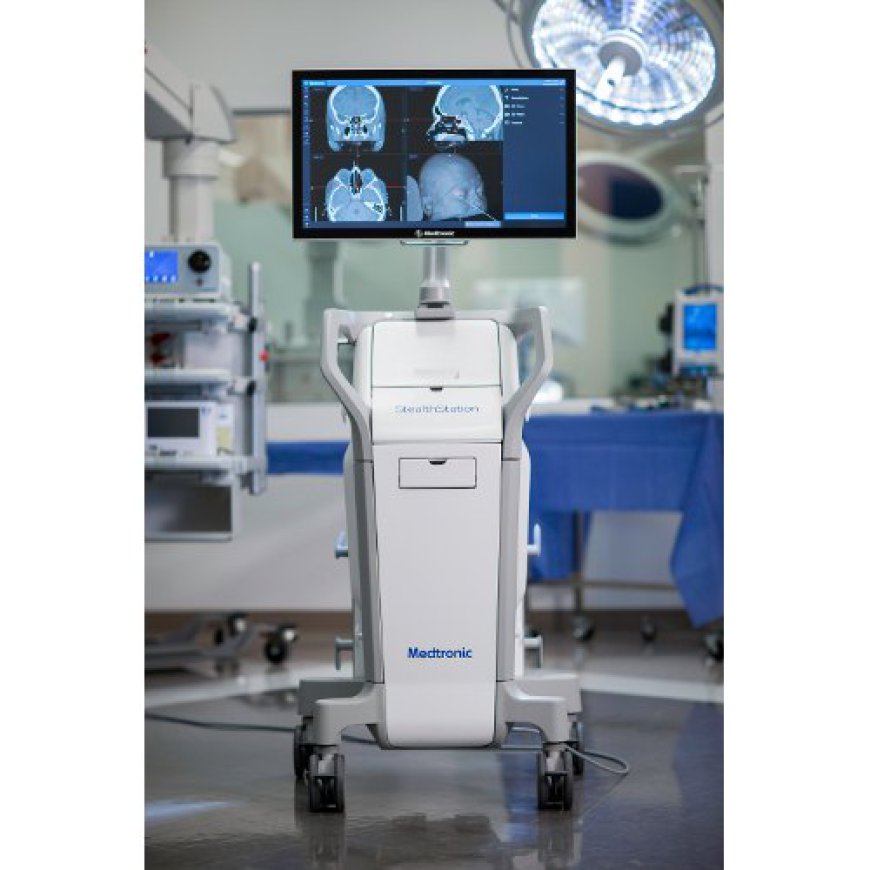
Spine surgery has witnessed remarkable advancements over the past decade, driven by innovations in pedicle screw fixation, modern orthopedic surgery instruments, and intelligent spine software. These elements work together to enhance surgical precision, improve patient outcomes, and support surgeons in performing complex spinal procedures with greater confidence.
Understanding Pedicle Screw Fixation
Pedicle screw fixation is a widely used technique in spine surgery for stabilizing the vertebral column. It involves inserting screws into the pedicles of the vertebrae and connecting them with rods to provide structural support.
This technique is commonly used in conditions such as:
- Spinal fractures
- Degenerative disc disease
- Scoliosis
- Spinal instability
The main goal of pedicle screw fixation is to immobilize the affected spinal segment, allowing proper fusion and healing. The accuracy of screw placement is critical, as even slight deviations can affect nearby nerves or blood vessels.
The Role of Orthopedic Surgery Instruments
The success of spine procedures heavily depends on the quality and precision of orthopedic surgery instruments. These specialized tools are designed to assist surgeons in performing delicate operations on bones and soft tissues.
Key instruments used in spine surgery include:
- Pedicle probes and awls for creating screw pathways
- Surgical drills for bone preparation
- Screwdrivers and rod holders for implant placement
- Retractors for better surgical visibility
Modern instruments are ergonomically designed and often integrated with navigation systems, allowing surgeons to perform procedures with greater accuracy and reduced fatigue. High-quality tools also contribute to shorter surgical times and improved patient safety.
The Rise of Spine Software in Modern Surgery
The integration of spine software has transformed the planning and execution of spinal procedures. These software solutions use advanced imaging and analytics to assist surgeons before, during, and after surgery.
Spine software offers several key capabilities:
- Preoperative Planning: Surgeons can analyze patient-specific anatomy using 3D models and plan screw placement with precision.
- Intraoperative Navigation: Real-time guidance helps in accurate positioning of implants.
- Postoperative Assessment: Software tools evaluate surgical outcomes and alignment.
By combining imaging data with intelligent algorithms, spine software reduces guesswork and enhances decision-making throughout the surgical process.
How These Technologies Work Together
The true power of modern spine surgery lies in the integration of pedicle screw fixation, orthopedic surgery instruments, and spine software.
- Spine software helps plan the exact trajectory for screw placement
- Orthopedic instruments enable precise execution during surgery
- Pedicle screw fixation provides the structural stability needed for recovery
This synergy ensures that procedures are not only accurate but also minimally invasive, reducing complications and speeding up recovery times.
Benefits for Patients and Surgeons
The combination of these innovations offers multiple advantages:
For Patients:
- Reduced surgical risks
- Faster recovery and rehabilitation
- Improved spinal stability and function
- Less postoperative pain
For Surgeons:
- Enhanced precision and control
- Better visualization of anatomy
- Increased confidence in complex cases
- Improved surgical efficiency
The Future of Spine Surgery
As technology continues to evolve, the future of spine care will be shaped by even more advanced spine software, robotic-assisted systems, and next-generation orthopedic surgery instruments. Artificial intelligence and machine learning are expected to further refine surgical planning and execution.
Innovations such as augmented reality and robotic navigation will likely make pedicle screw fixation even more accurate and efficient, setting new standards in patient care.
Conclusion
The integration of pedicle screw fixation, high-quality orthopedic surgery instruments, and advanced spine software represents a significant leap forward in spine surgery. Together, these technologies enable safer procedures, greater precision, and better outcomes for patients.
As healthcare providers continue to adopt these innovations, spine surgery will become increasingly efficient and patient-centered, paving the way for a new era in orthopedic care.

 roymonali