Anti-Reflective Coating Explained: How Anti-Glare Glasses Reduce Reflections
Learn how anti-reflective coating works and how anti-glare glasses reduce reflections for clearer, more comfortable vision day and night.
 soflera
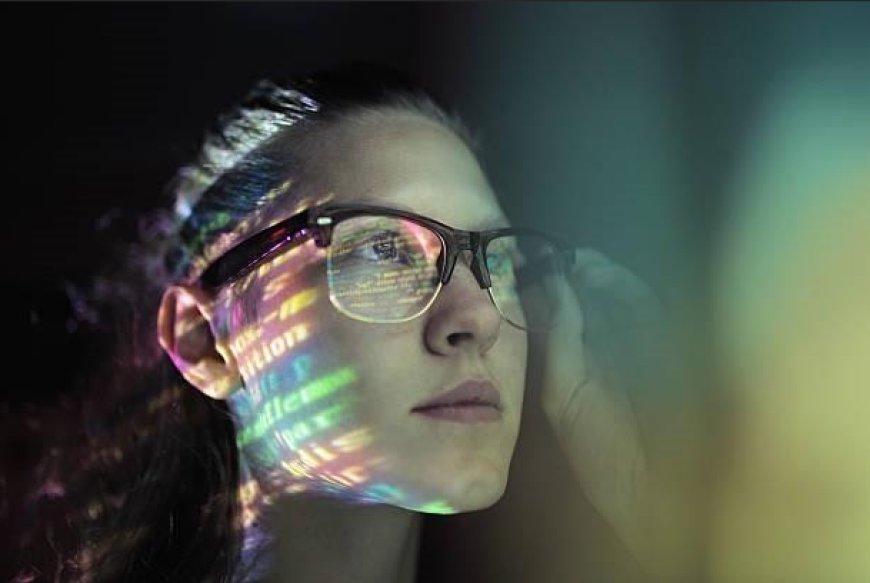
Have you ever noticed reflections on your glasses when you are working on a screen or driving at night? It can be more than just annoying. It can make reading harder, strain your eyes, and even affect your safety while also giving the feeling that your vision is not as clear as it should be.
It may seem small, but over time, it affects how comfortable your eyes feel and how clearly you see. This is where anti-reflective coating comes in.
But what does it actually do? And why do so many people prefer anti-glare glasses for everyday use?
Let’s break it down in a way that actually makes sense.
Key Takeaways
-
Reflections act as visual interference, making your eyes work harder to focus.
-
Constant glare leads to fatigue, slower focus, and light sensitivity over time.
-
Anti-reflective coating lets more light pass through, improving clarity.
-
Anti-glare glasses reduce visual noise, making tasks feel easier on the eyes.
-
Benefits are strongest in offices, bright spaces, and night driving.
-
The right eyewear can improve comfort without changing your routine.
Why Reflections Cause More Strain Than You Think
Reflections may seem minor at first, but your eyes treat them as visual interference.
When light reflects off your lenses, it creates a second layer of visual input. Your eyes are no longer focusing on just one thing. They are trying to filter out unwanted light while staying locked onto what actually matters.
That extra effort is constant. Over time, this leads to:
-
Slower focus and visual fatigue
-
Increased sensitivity to light
-
Difficulty maintaining clarity during long tasks
This is why glare feels worse as the day goes on. It is not just present. It builds.
What Is Anti-Reflective Coating and Why Does It Matter?
Anti-reflective coating is a thin, multi-layer coating applied to lenses to reduce the amount of light that reflects off the surface. Without it, a portion of light hits your lenses and bounces back instead of passing through to your eyes.
That reflection causes:
-
Glare from screens and lighting
-
Halos around lights at night
-
Reduced clarity in bright environments
With the coating, more light passes through the lens instead of reflecting away.
The result? Clearer vision and less visual distraction.
It is a simple concept, but the impact is noticeable once you experience the difference.
How Anti-Glare Glasses Reduce Reflections
Now that we understand the problem, the solution becomes clearer. Anti-glare glasses are designed to control how light interacts with the lens surface.
Without any coating, light hits the lens and partially reflects back. That reflected light is what creates glare. With an anti-reflective coating applied, the lens uses multiple thin layers to manage incoming light. These layers are structured in a way that reduces reflected light before it reaches your eyes.
In simple terms:
-
More light passes through the lens instead of bouncing back
-
Less stray reflection interferes with your vision
-
Your eyes receive a cleaner, more direct image
The result is not dramatic in appearance, but very noticeable in comfort.
Your eyes no longer need to constantly squint to adjust or “fight through” reflections. They simply focus.
That reduction in visual noise is what makes long hours feel easier and more stable.
Where Anti-Glare Glasses Help the Most
You will notice the difference most in situations where light and focus overlap:
-
Work environments: The coated office glasses reduce reflections from screens and overhead lighting, making it easier to stay focused for long hours
-
Bright indoor spaces: Helps soften harsh artificial lighting that can feel overwhelming during the day
-
Night driving: Anti-reflective night glasses minimize glare from headlights and streetlights, improving clarity and reducing visual stress.
-
Travel and movement: Keeps vision more consistent when lighting conditions keep changing.
-
Daily wear: Provides steady visual comfort even in routine, low-effort tasks.
Conclusion
Reflections are easy to ignore until they start affecting how your eyes feel. What seems like a small visual distraction can quietly turn into fatigue, reduced focus, and overall discomfort throughout the day.
With anti-reflective coating, the goal is not to change how you see, but to remove what gets in the way. When reflections are reduced, your vision feels clearer and more stable without extra effort.
And that is where the real difference lies.
Not in doing more, but in making everyday vision feel easier, calmer, and more natural.
FAQs
Are anti-glare glasses better than blue light glasses for office use?
They serve different purposes. Anti-glare glasses reduce reflections and improve clarity, while blue light glasses focus on filtering specific light wavelengths. Many people benefit from lenses that combine both features.
Can an anti-reflective coating improve vision even if I don’t feel strain?
It can. Even if you are not actively noticing discomfort, reducing reflections can improve overall visual clarity and make long-term screen use feel easier.
Are anti-glare glasses useful for people who do not use screens much?
Yes. They also reduce glare from everyday lighting, which can make general indoor and outdoor vision more comfortable.
Do anti-reflective coatings require special care?
They do benefit from gentle cleaning. Using a microfiber cloth and avoiding harsh chemicals helps maintain the coating and keeps your lenses clear over time.
Can AR coating help with headaches caused by screen use?
It can reduce one major cause of headaches, which is glare. If glare is your trigger, you may notice a reduction in discomfort.