Benefits of Vegetable Processing Machines for Commercial Kitchens
Discover how Vegetable Processing Machines improve efficiency, reduce labor costs, enhance food safety, and boost productivity in commercial kitchens.
 Hanshika
Introduction
In today's fast-paced food industry, efficiency and consistency are essential for success. Whether it's a restaurant, hotel, catering business, cloud kitchen, or food manufacturing unit, handling large quantities of vegetables manually can be time-consuming and labor-intensive. This is where Vegetable Processing Machines play a vital role.
Modern commercial kitchens are constantly looking for ways to improve productivity while maintaining food quality and hygiene standards. Investing in advanced Vegetable Processing Equipment helps businesses streamline kitchen operations, reduce labor costs, and deliver consistent results every time.
In this article, we will explore the top benefits of using vegetable processing solutions in commercial kitchens and why they have become an essential part of modern food preparation.
What Are Vegetable Processing Machines?
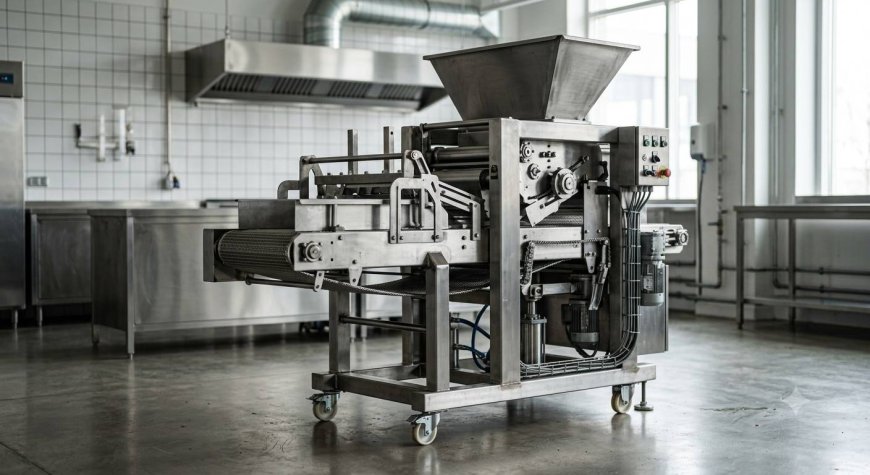
Vegetable processing machines are specialized kitchen and food preparation equipment designed to automate tasks such as washing, peeling, cutting, slicing, dicing, shredding, chopping, and sorting vegetables. These machines help food businesses process large volumes of vegetables quickly and efficiently.
From small restaurants to large-scale food production facilities, automated vegetable preparation systems are widely used to improve workflow and reduce manual effort.
1. Significant Time Savings
One of the biggest advantages of using vegetable cutting and processing equipment is the amount of time it saves.
Preparing vegetables manually requires skilled workers and several hours of labor, especially during peak business hours. Commercial vegetable processors can handle large quantities of vegetables within minutes, allowing kitchen staff to focus on cooking and customer service.
For example, tasks that may take a team of workers several hours to complete can often be finished in a fraction of the time using automated food processing machinery.
Benefits:
-
Faster food preparation
-
Increased kitchen productivity
-
Better workflow management
-
Reduced waiting times for customers
2. Consistent Cutting and Uniform Results
Consistency is crucial in the food industry. Customers expect the same quality and presentation every time they order a dish.
Manual cutting often results in uneven slices, inconsistent sizes, and varying shapes. Vegetable processing systems are designed to deliver precise and uniform cuts, ensuring consistency across every batch.
Whether you need diced onions, sliced carrots, shredded cabbage, or chopped vegetables, these machines provide standardized results that improve both presentation and cooking quality.
Advantages:
-
Uniform vegetable sizes
-
Better food appearance
-
Even cooking results
-
Professional presentation
3. Reduced Labor Costs
Labor expenses are among the highest operational costs for commercial kitchens. Hiring additional staff for repetitive vegetable preparation tasks can increase overhead significantly.
By using commercial vegetable preparation equipment, businesses can reduce dependence on manual labor. A single machine can often perform the work of multiple employees, helping businesses optimize staffing requirements.
This does not necessarily replace workers but allows them to focus on higher-value tasks such as cooking, quality control, and customer service.
Cost Benefits:
-
Lower labor expenses
-
Improved workforce efficiency
-
Reduced overtime costs
-
Better resource allocation
4. Improved Food Safety and Hygiene
Food safety is a top priority for every food service establishment. Excessive manual handling increases the risk of contamination and hygiene issues.
Modern Vegetable Processing Machines are designed with food-grade materials and easy-to-clean surfaces, helping maintain high hygiene standards.
Since vegetables pass through automated processes with minimal human contact, the risk of contamination is significantly reduced.
Hygiene Advantages:
-
Less direct handling of food
-
Easier cleaning and maintenance
-
Compliance with food safety standards
-
Reduced contamination risks
5. Increased Production Capacity
As customer demand grows, commercial kitchens need equipment that can keep up with higher production volumes.
Vegetable processing technology enables businesses to prepare large quantities of vegetables quickly without compromising quality. This makes it easier to handle bulk orders, catering events, and busy service periods.
Restaurants, hotels, and food manufacturers can scale operations efficiently without dramatically increasing labor requirements.
Production Benefits:
-
Higher output capacity
-
Faster order fulfillment
-
Better handling of peak demand
-
Scalability for business growth
6. Reduced Food Waste
Food waste directly impacts profitability. Manual vegetable preparation often leads to uneven cuts and excessive trimming, resulting in unnecessary waste.
Advanced vegetable cutting machines are designed for precision, helping maximize the usable portion of vegetables. Accurate cutting and peeling processes minimize waste while improving yield.
Over time, the reduction in food waste can generate substantial cost savings for businesses.
Waste Reduction Benefits:
-
Better ingredient utilization
-
Lower raw material costs
-
Improved profitability
-
More sustainable operations
7. Enhanced Employee Safety
Kitchen environments can be busy and demanding. Repetitive cutting tasks increase the risk of accidents, cuts, and injuries among staff.
Automated vegetable preparation machines are equipped with safety features that help reduce direct contact with blades and cutting components.
By minimizing repetitive manual work, these machines contribute to a safer working environment and reduce workplace injuries.
Safety Advantages:
-
Lower risk of knife-related injuries
-
Reduced employee fatigue
-
Safer kitchen operations
-
Improved staff confidence
8. Versatility for Multiple Applications
Today's Vegetable Processing Equipment offers exceptional versatility. Many machines can perform multiple functions using interchangeable blades and attachments.
Depending on the model, businesses can:
-
Slice vegetables
-
Dice vegetables
-
Shred cabbage
-
Julienne carrots
-
Chop onions
-
Peel potatoes
-
Wash leafy greens
This flexibility makes them suitable for various cuisines and menu requirements.
Multi-Function Benefits:
-
Greater operational flexibility
-
Reduced need for multiple machines
-
Better return on investment
-
Adaptability to changing menus
9. Better Quality Control
Maintaining product quality is essential for customer satisfaction and brand reputation.
Automated vegetable processing solutions help standardize preparation processes, making it easier to maintain quality across different shifts and staff members.
When vegetables are processed consistently, chefs can better control cooking times, flavors, and presentation.
Quality Benefits:
-
Reliable food preparation
-
Consistent product standards
-
Improved customer satisfaction
-
Stronger brand reputation
10. Long-Term Cost Efficiency
While the initial investment in vegetable preparation machinery may seem significant, the long-term savings often outweigh the upfront cost.
Businesses benefit from:
-
Reduced labor expenses
-
Lower food waste
-
Increased productivity
-
Faster service times
-
Improved operational efficiency
Over time, these advantages contribute to a higher return on investment and stronger profitability.
Industries That Benefit from Vegetable Processing Equipment
Many industries rely on efficient vegetable preparation systems, including:
-
Restaurants
-
Hotels
-
Catering companies
-
Cloud kitchens
-
Food processing plants
-
Institutional kitchens
-
School and college cafeterias
-
Hospital kitchens
-
Quick-service restaurants (QSRs)
Any business that handles large volumes of vegetables can benefit from automation and streamlined processing.
Choosing the Right Vegetable Processing Machine
When selecting vegetable processing equipment, consider the following factors:
Processing Capacity
Choose a machine that can handle the amount of vegetables you process every day. The right capacity will help ensure smooth and efficient operations.
Required Functions
Identify the tasks you need the machine to perform, such as slicing, dicing, chopping, shredding, peeling, or washing. Some machines offer multiple functions in one unit.
Easy Cleaning and Maintenance
Look for a machine that is easy to clean and maintain. Regular cleaning helps maintain hygiene and ensures long-term performance.
Build Quality and Durability
Select equipment made from high-quality stainless steel and food-grade materials. Durable machines last longer and perform reliably in busy commercial kitchens.
Safety Features
Choose a machine with important safety features such as protective covers, safety locks, and emergency stop functions to help protect operators during use.
Energy Efficiency
An energy-efficient machine can help reduce operating costs while delivering consistent and reliable performance.
Conclusion
The food service industry continues to evolve, and automation has become a key driver of efficiency and profitability. Vegetable Processing Machines help commercial kitchens save time, reduce labor costs, improve consistency, enhance food safety, and increase overall productivity.
By investing in reliable Vegetable Processing Equipment, businesses can streamline their operations, maintain high-quality standards, and meet growing customer demands with ease. Whether you run a restaurant, hotel, catering service, or food manufacturing facility, modern vegetable processing solutions offer a practical and cost-effective way to improve kitchen performance and support long-term business growth.