Best Implant Drill for Guided Surgery in 2026
 universalshapers
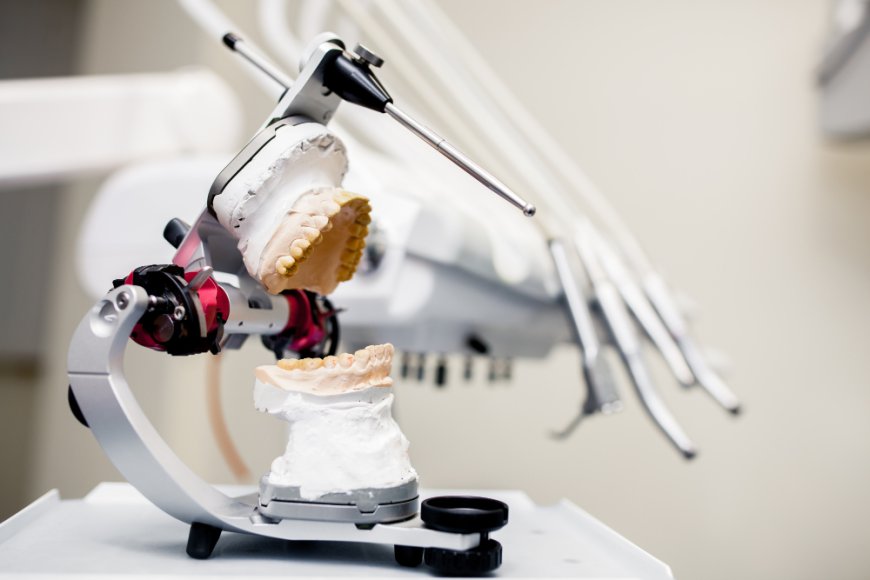
If you're involved in implant dentistry in 2026, you've probably noticed that guided surgery is no longer viewed as a futuristic option—it's becoming a standard expectation. As digital workflows continue to reshape implant planning and placement, the conversation has shifted from whether clinicians should adopt guided surgery to how they can optimize it.
One area receiving increased attention is the selection of the Best Implant Drill for guided procedures. While implant systems, software, and surgical guides often dominate discussions, the drill itself remains a critical factor in achieving accurate and predictable outcomes.
So, what exactly makes the Best Implant drill for guided surgery in 2026? Let's explore the trend.
Why Guided Surgery Is Driving Demand for Better Implant Drills
Guided implant surgery relies on precise planning and controlled execution. Every component in the workflow—from CBCT imaging to surgical guides—must work together seamlessly.
However, even the most advanced digital plan can be compromised if the drill lacks precision, stability, or compatibility with guided systems.
This is why clinicians are increasingly focusing on:
- Drill accuracy
- Cutting efficiency
- Heat reduction
- Guide compatibility
- Long-term durability
Simply put, your digital workflow is only as strong as the instruments executing it.
The Shift Toward Precision-Engineered Drills
One of the biggest trends in 2026 is the demand for precision-engineered implant drills specifically designed for guided workflows.
Manufacturers are investing heavily in drill geometries that improve cutting performance while minimizing deviation during osteotomy preparation.
The goal is simple: make implant placement more predictable.
As many implantologists discuss in online professional communities and continuing education forums, even small improvements in drill performance can have a noticeable impact on surgical confidence and consistency.
And let's be honest—when you're placing an implant in a challenging case, "close enough" isn't exactly the phrase you want running through your mind.
What Makes the Best Implant Drill in 2026?
While there is no universally accepted answer, several characteristics consistently appear in expert discussions.
Enhanced Accuracy
Accuracy remains the primary requirement.
The Best Implant Drill should maintain stability throughout the osteotomy process and follow the planned surgical pathway with minimal deviation.
As guided surgery becomes more sophisticated, clinicians increasingly expect their drills to perform with the same level of precision as their digital planning software.
Improved Heat Management
Research has long highlighted the importance of controlling temperature during osteotomy preparation.
Excessive heat can negatively affect bone vitality and potentially impact osseointegration.
Modern implant drills are being designed with flute configurations and cutting surfaces that improve debris evacuation and reduce thermal buildup.
Many experts emphasize that proper irrigation remains essential, but advanced drill designs are helping clinicians manage heat more effectively than ever before.
Compatibility with Guided Systems
A major trend in 2026 is the growing demand for universal compatibility.
Clinicians increasingly prefer drills that integrate smoothly with guided surgical kits and digital workflows rather than being restricted to a single ecosystem.
This flexibility supports efficiency and can reduce the complexity associated with managing multiple implant systems.
The Role of Digital Dentistry and AI
Artificial intelligence is becoming a frequent topic in implantology discussions.
AI-assisted treatment planning platforms are helping clinicians evaluate bone density, identify anatomical landmarks, and optimize implant positioning.
As these technologies evolve, the demand for equally advanced instrumentation continues to grow.
In many ways, AI is raising expectations for the entire surgical workflow.
If software can calculate implant placement within fractions of a millimeter, clinicians naturally expect the Best Implant drill to execute that plan with similar precision.
What Clinicians Are Discussing Online
Browse implantology forums, educational webinars, or professional social media groups, and you'll notice several recurring themes.
Many clinicians are asking:
- Which drills offer the best guided surgery performance?
- How important is drill coating technology?
- Can certain drill designs improve primary stability?
- What role does drill sharpness play in long-term performance?
Interestingly, there is growing interest in specialized drill designs that prioritize both cutting efficiency and bone preservation.
Rather than focusing solely on speed, clinicians are increasingly looking for tools that support predictable biological outcomes.
That shift reflects a broader trend in implant dentistry: precision over aggression.
Where My Understanding May Be Limited
It's important to acknowledge that implant dentistry continues evolving rapidly.
New drill technologies, coatings, manufacturing techniques, and guided surgery systems are introduced regularly. Clinical preferences also vary based on training, implant systems, patient populations, and regional practices.
Additionally, while industry discussions and published studies provide valuable insights, real-world clinical experiences often reveal practical considerations that research alone cannot fully capture.
For this reason, identifying a single Best Implant Drill for every clinician and every case remains difficult.
What works exceptionally well in one workflow may not be the ideal solution in another.
Looking Ahead
The future of guided implant surgery appears increasingly connected to digital planning, AI-assisted workflows, and enhanced surgical precision.
We may soon see smarter drills, advanced surface technologies, and even greater integration between planning software and surgical instrumentation.
What remains uncertain is how quickly these innovations will become universally adopted and whether they will meaningfully reduce complexity for clinicians.
For now, one thing seems clear: as guided surgery continues to evolve, selecting the Best Implant Drill will become less about marketing claims and more about measurable precision, workflow integration, and predictable clinical outcomes. The next few years may reveal whether today's leading drill technologies are merely improvements—or the foundation of an entirely new era in implant dentistry.