Best Panty Liners for Sensitive Skin: What to Look For Before Buying
Discover the best panty liners for sensitive skin. Learn what to look for, avoid irritation, and choose safe, comfortable options for daily freshness.
 revaaforyou
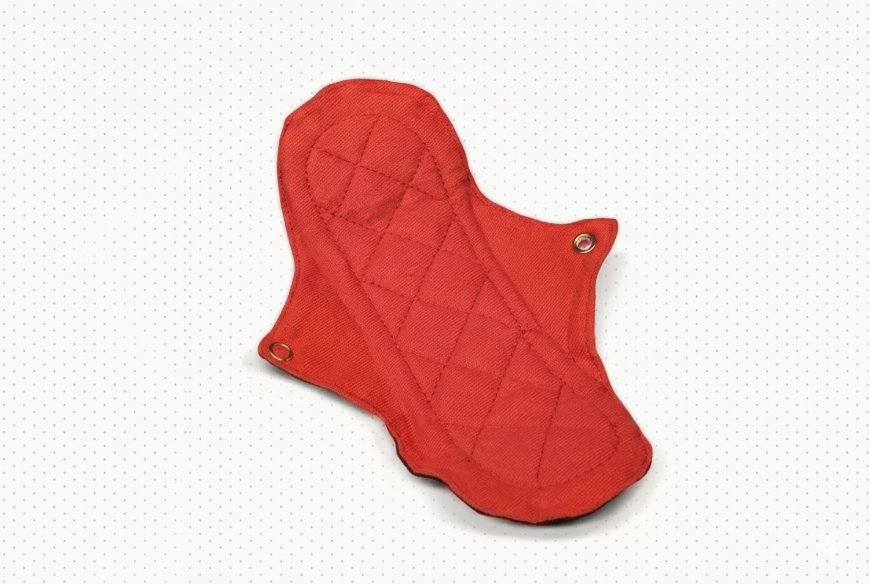
When it comes to intimate care, comfort isn’t a luxury—it’s a necessity. For people with sensitive skin, even the smallest irritation can turn into a day-long discomfort. That’s why choosing the best panty liners becomes more than just a routine purchase; it becomes a thoughtful decision that impacts your daily well-being.
Panty liners are designed for light protection, daily freshness, and backup support during periods or spotting. However, not all liners are created equal—especially for sensitive skin. Some may contain harsh materials, fragrances, or chemicals that can lead to itching, rashes, or irritation.
This guide breaks down everything you need to know before buying panty liners, helping you make a choice that prioritizes both comfort and health.
Why Sensitive Skin Needs Special Attention
Sensitive skin reacts more quickly to external triggers such as synthetic materials, moisture buildup, and chemical additives. The intimate area is already delicate, and prolonged exposure to unsuitable products can disrupt its natural balance.
Common issues caused by unsuitable panty liners include:
- Skin irritation and redness
- Itching or burning sensation
- Rashes due to trapped moisture
- Allergic reactions to fragrances or dyes
This is why selecting the best panty liners tailored for sensitive skin is essential.
Key Features to Look for in Panty Liners
1. Breathable Materials
Airflow is crucial for maintaining skin health. Look for panty liners made with breathable fabrics that allow air circulation and prevent moisture buildup.
Materials like organic cotton or soft, fabric-based layers are gentler on the skin compared to plastic-based alternatives.
2. Fragrance-Free Composition
Fragrances may make products smell pleasant, but they are one of the leading causes of irritation. For sensitive skin, unscented panty liners are always a safer choice.
The best panty liners avoid artificial perfumes and focus on skin-friendly formulations.
3. Hypoallergenic Design
Hypoallergenic products are specifically designed to minimize the risk of allergic reactions. These liners are free from harsh chemicals, chlorine bleaching, and synthetic dyes.
Always check product labels for certifications or claims related to skin safety.
4. Soft and Flexible Texture
A liner that feels rough or stiff can cause friction, leading to discomfort throughout the day. Soft textures ensure minimal irritation and better adaptability to your body’s movements.
Flexibility is equally important, especially for long hours of wear.
5. Moisture Absorption Without Dryness
Good panty liners strike a balance—they absorb moisture effectively without making the skin feel dry or tight.
This is particularly important for daily use, where maintaining natural hydration is key.
6. Thin Yet Protective Design
Bulky liners can feel uncomfortable and noticeable under clothing. The best panty liners are ultra-thin while still providing reliable protection against discharge or light spotting.
7. Eco-Friendly and Skin-Safe Materials
Sustainable products are not only better for the environment but often safer for your skin too. Many eco-friendly liners use fewer chemicals and more natural components.
Understanding Your Daily Needs
Before choosing a panty liner, consider how and when you plan to use it.
- Daily Freshness: Lightweight liners for everyday hygiene
- Light Discharge: Slightly more absorbent options
- Backup Protection: Use alongside tampons or period panties
- Post-Period Spotting: Gentle liners for sensitive days
Knowing your purpose helps narrow down your options and ensures you pick the most suitable product.
Common Mistakes to Avoid
Even with the best intentions, many people end up choosing the wrong panty liners. Here are some mistakes to watch out for:
Choosing Based on Price Alone
Cheaper options may use lower-quality materials that irritate the skin. It’s better to invest in comfort and safety.
Ignoring Ingredient Labels
Always read what goes into the product. Avoid liners with synthetic fragrances, dyes, or harsh adhesives.
Wearing Liners for Too Long
Even the best panty liners should be changed regularly. Prolonged use can trap moisture and bacteria, leading to discomfort.
Using the Same Type for Every Need
Different situations require different levels of protection. Using one type for everything may not give the best results.
The Role of Fabric-Based Alternatives
Many people with sensitive skin are now exploring reusable or fabric-based options. These alternatives offer enhanced comfort and reduced exposure to chemicals.
Products like period panties can also serve as a complementary solution, especially during light flow days or as backup protection. They provide a breathable and reusable option, making them both skin-friendly and sustainable.
Signs Your Panty Liner Isn’t Right for You
Your body often gives clear signals when something isn’t working. Watch out for:
- Persistent itching
- Redness or rashes
- Unusual dryness
- Discomfort during movement
If you notice any of these symptoms, it may be time to switch to a better option.
How to Maintain Intimate Hygiene Alongside Panty Liners
Choosing the right product is only part of the equation. Maintaining hygiene is equally important.
- Change liners every 4–6 hours
- Wear breathable cotton underwear
- Avoid tight clothing for long durations
- Keep the area clean and dry
- Use mild, fragrance-free cleansers
These habits enhance the effectiveness of even the best panty liners.
Making an Informed Choice
With so many options available, selecting the right panty liner can feel overwhelming. But when you focus on what truly matters—comfort, safety, and skin compatibility—the decision becomes much simpler.
Instead of following trends or marketing claims, prioritize:
- Ingredient transparency
- Material quality
- Comfort level
- Suitability for your skin type
Brands that focus on thoughtful design and user comfort often deliver better experiences without needing aggressive promotion.
Final Thoughts
Finding the best panty liners for sensitive skin isn’t about trial and error—it’s about understanding your body and choosing products that respect it.
The right panty liner should feel almost invisible while offering reliable protection. It should support your lifestyle without causing discomfort or irritation.
As awareness around intimate health grows, more people are shifting toward safer, more mindful choices. Whether you prefer disposable liners or reusable options, the goal remains the same: comfort, confidence, and care.
FAQs
1. How do I know if a panty liner is suitable for sensitive skin?
Look for hypoallergenic, fragrance-free liners made from breathable materials like cotton. Avoid products with dyes or synthetic chemicals.
2. How often should I change panty liners during the day?
Ideally, every 4–6 hours to maintain hygiene and prevent moisture buildup that can irritate sensitive skin.
3. Can panty liners cause rashes?
Yes, if they contain harsh materials or are worn for too long. Choosing the best panty liners reduces this risk significantly.
4. Are reusable panty liners better for sensitive skin?
They can be a great option as they are often made from soft, natural fabrics and contain fewer chemicals.
5. Can I use panty liners every day?
Yes, as long as you choose skin-friendly options and maintain proper hygiene by changing them regularly.