Best Way to Remove Water Streaks from Car Windows
Learn the best way to remove water streaks from car windows using simple, effective techniques, proper tools, and expert tips for a clear, streak-free finish.
 astonishingdetail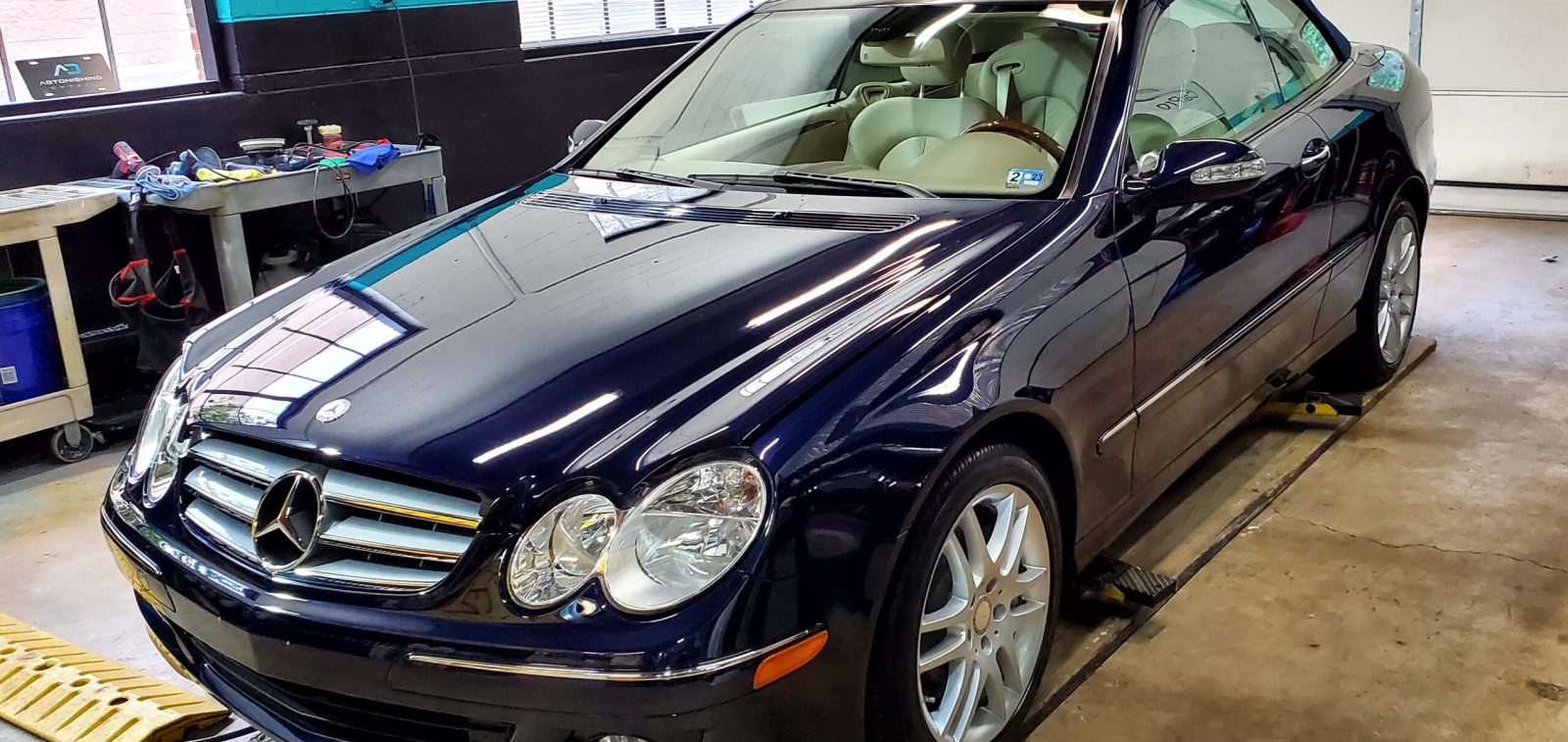
What Causes Water Streaks
Before tackling the problem, it helps to understand where these streaks come from.
Common causes include:
- Hard water containing minerals like calcium and magnesium
- Washing the car and letting it air dry
- Rainwater mixed with dust and pollutants
- Sprinkler overspray
When water evaporates, it leaves behind these minerals, which bond to the glass surface and create visible streaks.
Start With the Basics
Clean the Surface First
Before targeting streaks, remove general dirt and grime.
- Rinse the windows with clean water
- Use a standard car wash soap
- Wipe with a microfiber cloth
This step prevents you from rubbing dirt into the glass while working on the streaks.
Work in the Right Conditions
Temperature and lighting matter more than most people realize.
- Avoid direct sunlight
- Choose a shaded or cooler environment
- Work on cool glass surfaces
A common mistake I see is people trying to clean windows in the middle of the day. The heat causes cleaning products to dry too quickly, which often leads to more streaking.
Removing Light Water Streaks
Use a Quality Glass Cleaner
For mild streaks, a dedicated automotive glass cleaner is usually enough.
- Spray lightly onto the glass or cloth
- Wipe in straight lines rather than circles
- Flip the cloth to a dry side for a final pass
Straight-line wiping helps you quickly identify any missed spots.
Microfiber Matters
Not all cloths perform the same. Use a clean, lint-free microfiber towel specifically for glass.
An insider tip: keep one towel slightly damp for cleaning and another completely dry for finishing. This two-towel method significantly reduces streaking.
Tackling Stubborn Mineral Deposits
Vinegar Solution for Hard Water Spots
When streaks are more persistent, a simple solution can be surprisingly effective.
- Mix equal parts white vinegar and distilled water
- Apply with a microfiber cloth
- Let it sit briefly before wiping
The mild acidity helps break down mineral deposits without damaging the glass.
Use a Glass Polish
For more severe buildup, a glass polish may be necessary.
- Apply a small amount with a foam applicator
- Work in controlled, even motions
- Buff off with a clean cloth
This method removes bonded contaminants and restores clarity.
Don’t Overlook the Edges and Corners
Water streaks often hide along edges where glass meets trim.
- Use a smaller cloth or detailing swab
- Clean along seals and corners carefully
- Check from different angles
These areas are easy to miss but can make a big difference in the final result.
Drying Techniques That Prevent Streaks
Avoid Air Drying
Letting windows air dry is one of the main causes of streaks in the first place.
Instead:
- Wipe immediately after cleaning
- Use a dry microfiber towel
- Check for remaining moisture
Use Distilled Water for Final Rinse
If you’re rinsing windows, distilled water is a better option than tap water. It doesn’t contain minerals that cause streaking.
This small adjustment can make a noticeable difference, especially in areas with hard water.
A Common Mistake to Avoid
One thing I’ve noticed repeatedly is people using too much product. It seems logical—more cleaner should mean better results—but in reality, excess liquid often leads to smearing and streaking.
Less is more. A light application, combined with proper wiping technique, works far better.
Practical Tips From Experience
Change Your Angle
After cleaning, look at the glass from different angles. Streaks that aren’t visible head-on often appear when viewed from the side.
Clean Inside and Outside Separately
If you notice streaks, it’s not always clear which side they’re on.
- Clean the exterior using horizontal strokes
- Clean the interior using vertical strokes
This makes it easy to identify where any remaining streaks are.
Keep Glass Tools Separate
Use dedicated cloths for glass only. Mixing them with cloths used for other surfaces can transfer oils and residues.
Preventing Future Water Streaks
Dry Immediately After Washing
The sooner you dry the windows, the less chance water has to leave deposits.
Apply a Water-Repellent Treatment
Glass treatments help water bead and roll off, reducing the chances of streak formation.
Benefits include:
- Improved visibility during rain
- Less buildup of minerals
- Easier cleaning in the future
Avoid Sprinkler Exposure
If possible, avoid parking where sprinklers hit the car. This is a major source of hard water spots.
Learning From Professional Techniques
Professional detailers often approach glass cleaning with a focus on precision and consistency rather than speed. It’s not about how fast you can wipe—it’s about how thoroughly you remove contaminants.
For example, as explained in this guide on car detailing richmond va using the right combination of tools, products, and technique leads to a cleaner, streak-free finish without unnecessary effort.
That principle applies perfectly to window care.
Building a Simple Routine
Maintaining clear windows doesn’t require a complicated process. A simple routine works best:
- Clean regularly rather than waiting for buildup
- Use proper tools and minimal product
- Dry thoroughly every time
These habits prevent streaks from becoming a recurring problem.
Final Thoughts
Water streaks on car windows can be frustrating, but they’re also manageable with the right approach. The key is understanding what causes them and addressing the issue with proper technique rather than force.
By working in the right conditions, using appropriate tools, and maintaining a consistent routine, you can keep your windows clear and streak-free. It’s a small detail, but one that makes a noticeable difference—not just in how your car looks, but in how it feels to drive.
Also read for more information so click here.