Beta Glucan Market Size, Trends, and Growth Forecast (2026-2033)
 coherentmarket
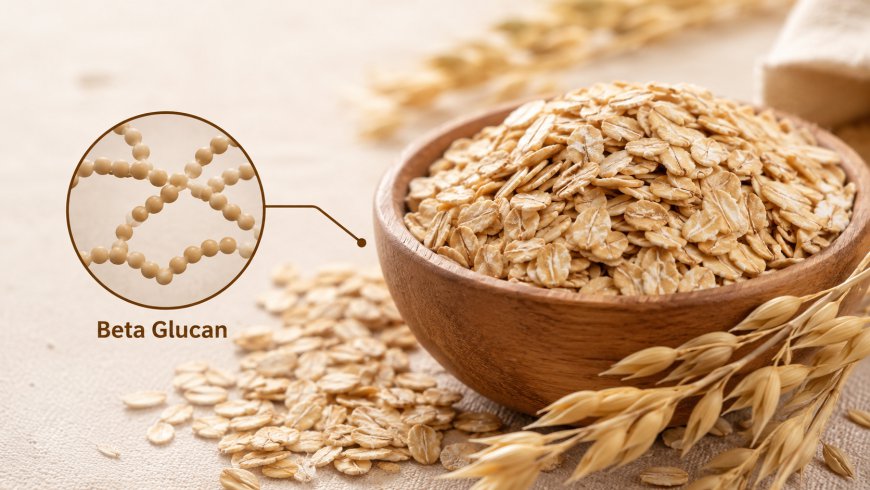
The Beta Glucan industry is witnessing significant transformation driven by rising demand across pharmaceuticals, functional foods, and dietary supplements. This market dynamics is shaped by evolving consumer preferences and increasing applications in immunomodulation and cardiovascular health. Continuous innovation and strategic investments by market companies are propelling notable shifts in the industry share and market revenue streams.
Market Size and Overview
Beta Glucan Market is estimated to be valued at USD 712.21 Mn in 2026 and is expected to reach USD 1,254.6 Mn in 2033, exhibiting a compound annual growth rate (CAGR) of 10.2% from 2026 to 2033.
The industry size is driven by expanding market segments such as food & beverages and pharmaceuticals, while emerging economies offer new market opportunities. The growing emphasis on natural and health-promoting ingredients further strengthens the Beta Glucan Market Scope, encouraging enhanced market growth strategies by key market players.
Current Event & Its Impact on Market
I. Regulatory Revisions on Functional Food Additives in North America
A. Stricter FDA guidelines for health claims on Beta Glucan-based products — Potential impact on Market Growth due to compliance costs and reformulation requirements.
B. Increased certification demand (e.g., GRAS status updates) — Potential impact on Market Opportunities by limiting entry barriers for market companies with robust R&D.
C. Rising consumer awareness campaigns on immune-boosting supplements — Potential impact on Market Demand surge for Beta Glucan infused products.
II. Advances in Biotechnology in Europe and Asia-Pacific
A. Genetic modification techniques enabling higher purity Beta Glucan extraction — Potential impact on Market Revenue by reducing production costs and improving efficacy.
B. Collaborative innovation projects between biotech startups and established market players — Potential impact on Market Trends with faster product launches and diversification.
C. Expansion of Beta Glucan applications in dermatology and oncology realms — Potential impact on Market Segments with widening applications beyond traditional usage.
Impact of Geopolitical Situation on Supply Chain
The ongoing geopolitical tensions between major production hubs in Eastern Europe and Asia have impeded the Beta Glucan supply chain, particularly impacting sourcing of raw materials like oats and fungi. For instance, the 2024 logistical disruptions due to trade restrictions in Eastern Europe led to a 12% increase in lead time for several market companies, causing temporary supply shortages and price volatility. This event highlighted the vulnerability of supply networks and prompted market companies to diversify procurement channels and invest in localized manufacturing to stabilize market revenue and sustain market growth.
SWOT Analysis
Strengths
- Robust demand in pharmaceutical and functional food sectors catalyzes consistent market growth.
- Increasing consumer preference for natural immunomodulating agents drives market share expansion.
- Advanced extraction technologies enhance product purity and reduce costs, supporting business growth.
Weaknesses
- Regulatory challenges, including approval delays, create market restraints for new product launches.
- High dependency on agricultural raw materials makes the market vulnerable to environmental uncertainties.
- Limited awareness in emerging regions restricts immediate market opportunities despite potential demand.
Opportunities
- Rising investments in R&D for novel Beta Glucan formulations in oncology and dermatology increase market scope.
- Expansion in Asia-Pacific developing markets offers untapped market segments for increased market revenue.
- Strategic partnerships and technology integrations foster innovation and business growth potential.
Threats
- Fluctuating raw material prices due to geopolitical tensions can disturb supply consistency and inflate costs.
- Competitive natural ingredient markets intensify market challenges for Beta Glucan product differentiation.
- Stringent food and pharma safety regulations impose market growth barriers and require substantial compliance efforts.
Key Players
- Invista
- Verdezyne
- BASF
- Kerry Group
- Cargill, Incorporated
- DSM Nutritional Products
- Loxo BV
- Koninklijke DSM N.V.
- ADM (Archer Daniels Midland Company)
- Fuji Oil Holdings Inc.
- Roquette Frères
- DuPont Nutrition & Health
- Mitsui & Co., Ltd.
- Ashland Global Holdings Inc.
- CP Kelco U.S., Inc.
In 2024 and 2025, key market players have accelerated technology partnerships to innovate high-purity Beta Glucan variants, resulting in improved product efficacy and broader application in clinical nutrition. BASF’s investment in fermentation technology has notably reduced production costs by 8%, fostering stronger market revenue streams. Similarly, Verdezyne’s collaboration with biotech startups has expanded its patent portfolio, enhancing competitiveness amidst evolving market trends.
FAQs on Beta Glucan Market
Q1. Who are the dominant players in the Beta Glucan market?
Key market players such as Invista, Verdezyne, and BASF are leading owing to their robust R&D capabilities, strategic investments, and strong distribution networks across functional foods and pharmaceutical segments.
Q2. What will be the size of the Beta Glucan market in the coming years?
The Beta Glucan market size is projected to reach USD 805.4 million by 2032, growing steadily at a CAGR of 5.0% due to rising demand in healthcare and nutrition industries.
Q3. Which end users’ industry has the largest growth opportunity?
The pharmaceutical and functional food industries dominate the market share, with increasing incorporation of Beta Glucan for immunomodulation and cardiovascular health, representing significant market opportunities.
Q4. How will market development trends evolve over the next five years?
Market trends indicate a shift towards biotechnology-driven product enhancements, expansion of application segments such as dermatology, and increased regulatory scrutiny influencing market dynamics.
Q5. What is the nature of the competitive landscape and challenges in the Beta Glucan market?
The market exhibits fierce competition among established and emerging market players striving for innovation and cost efficiencies, with regulatory constraints and raw material dependency as notable challenges.
Q6. What go-to-market strategies are commonly adopted in the Beta Glucan market?
Market companies focus on strategic collaborations, technology partnerships, and product diversification to capture new market segments and drive sustained business growth.
This comprehensive Beta Glucan Market report furnishes strategic market insights, highlighting critical industry size metrics, market revenue forecasts, and evolving market trends, empowering market players to optimize growth strategies and navigate market challenges effectively.
➣ Get more insights on: Beta Glucan Market
➣ Get this Report in Japanese Language: ベータグルカン市場
➣ Get this Report in Korean Language: 베타글루칸시장
➣ Read More Related Articles : Chondroitin Sulfate in Pharmaceuticals and Nutraceuticals
About Author:
Alice Mutum is a seasoned senior content editor at Coherent Market Insights, leveraging extensive expertise gained from her previous role as a content writer. With seven years in content development, Alice masterfully employs SEO best practices and cutting-edge digital marketing strategies to craft high-ranking, impactful content. As an editor, she meticulously ensures flawless grammar and punctuation, precise data accuracy, and perfect alignment with audience needs in every research report. Alice's dedication to excellence and her strategic approach to content make her an invaluable asset in the world of market insights.