BiPAP Machine at Home: Complete Guide to Safe and Effective Use
 RajeevAnand
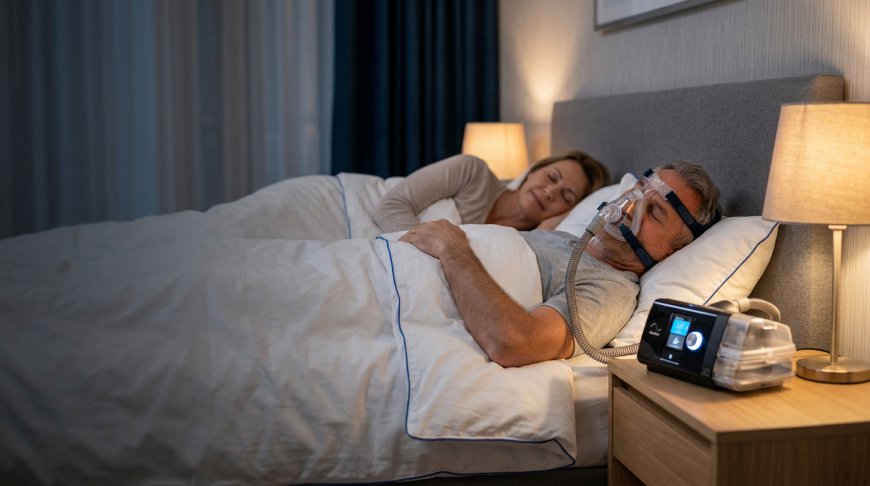
The BiPAP Machine At Home can be a great device to help individuals with chronic lung disease and sleep-related breathing problems enjoy a better life. Regardless of your condition and whether it is COPD, sleep apnea or another type of breathing issue, it's important to use a BiPAP Machine properly in order to get the best results.
For first-time users the machine, the mask and the settings can be overwhelming. With a bit of understanding of How to use a BiPAP machine, however, it is easy and comfortable. This guide covers everything you need to know about fitting, cleaning and maintenance of the BiPAP mask, along with the advantages of using BiPAP therapy.
What Is a BiPAP Machine?
A BiPAP Machine (Bilevel Positive Airway Pressure) is a non-invasive breathing machine used to help people with difficulty breathing who are not able to breathe on their own. CPAP machines supply a steady pressure, but BiPAP machines supply two pressure supplies.
- IPAP (Inspiratory Positive Airway Pressure) - Greater pressure during breathing in.
- Expiratory Positive Airway Pressure (EPAP): Decreased pressure during breathing out.
The dual pressure system allows for easier breathing when needed, particularly for patients who need extra respiratory support.
BiPAP therapy is often used to treat:
- Chronic Obstructive Pulmonary Disease (COPD)
- Obstructive Sleep Apnea (OSA)
- Central Sleep Apnea
- Neuromuscular disorders
- Obesity Hypoventilation Syndrome
- Respiratory failure
At Home, a Patient using a BiPAP Machine enjoys the same level of respiratory support that is provided in the hospital, but in their own comfortable, familiar surroundings.
Benefits of Using a BiPAP Machine at Home
A BiPAP Machine At Home can have several benefits, particularly if prescribed by a health care professional.
1. Improves Breathing
The machine helps to breathe, making it easier for patients to inhale and exhale.
2. Better Sleep Quality
Patients find that they can sleep without interruptions and get a deeper and more restful sleep.
3. Reduces Daytime Fatigue
Regular use of BiPAP will improve the level of oxygen and increase a person's energy during the day.
4. Supports COPD Patients
BiPAP for COPD used because it can help remove CO2 from the body and enhance the oxygen exchange.
5. Reduces Hospital Visits
Chronic respiratory diseases are effectively managed at home and reduce the number of emergency admissions to the hospital.
Who Needs a BiPAP Machine?
A doctor may suggest using a BiPAP Machine if you have any of the following:
- Moderate to severe sleep apnea.
- COPD with breathing problem.
- Chronic respiratory insufficiency.
- Neuromuscular diseases.
- Breathing problems with heart failure.
- Obesity hypoventilation syndrome.
Do not start BiPAP treatment without a medical evaluation and prescription.
How to Use a BiPAP Machine
Knowing the How to use a BiPAP machine means optimal comfort and treatment.
Step 1: Place the Machine Properly
Position the machine:
- Position the machine.
- On a flat and stable surface.
- Avoid in front of curtains and direct sunlight.
- In a clean, dust free space.
Do not block air intake vents.
Step 2: Connect the Tubing
Securely attach:
- Air tubing to the machine.
- Irrigation of the mask with a tube.
Make sure that there aren't any loose connections.
Step 3: Fill the Humidifier (If Included)
If you have a humidifier (if you have one on your machine):
- Only use distilled water.
- Fill to the recommended level.
- Empty & refill every day.
Humidification keeps your nasal cavity and throat moist.
Step 4: Wear the Mask Correctly
One of the most crucial parts of a successful BiPAP therapy is the correct fitting of the mask.
The mask should:
- Properly cover nose or nose and mouth.
- Seal (but not too tight).
- Be relaxed when lying on your back.
A poorly-fitting mask can result in:
- Air leaks.
- Skin irritation.
- Reduced therapy effectiveness.
Step 5: Turn On the Machine
Following wearing of the mask:
- Switch on the machine.
- Take deep breaths and relax.
- Allow the machine to adjust to your breathing pattern.
Most modern machines have a ramp option which is a slowly, incrementally applied pressure.
Step 6: Sleep Normally
During BiPAP therapy, try to:
- If recommended, sleep on side.
- Don't take off the mask at night.
- Give yourself some time to adjust.
Most users get used to it within 1-2 weeks.
BiPAP Mask Fitting Tips
Proper BiPAP mask fitting greatly improves comfort and treatment success.
Choose the Right Mask Size
There are various sizes for masks.
A respiratory therapist can assist with the proper fit.
Adjust the Headgear
The straps should:
- Be snug
- Not leave deep marks
- Prevent air leakage
Check for Air Leaks
If air leaks around the cheeks and/or eyes:
- Reposition the mask.
- Tighten straps slightly.
- Tighten straps slightly.
Replace Worn Components
Over time:
- Cushions lose flexibility.
- Headgear stretches.
- Mask seals deteriorate.
Change accessories as per manufacturer's guidelines.
Cleaning Your BiPAP Machine
By cleaning your BiPAP Machine at home regularly, you can ensure that the machine is clean and runs well.
Daily Cleaning
Clean:
- Mask cushion
- Humidifier chamber
Wash with:
- Warm water
- Mild soap
Leave to dry thoroughly.
Weekly Cleaning
Wash:
- Tubing
- Headgear
- Filters (if washable)
Inspect all parts for wear or damage.
Replace Filters
If applicable to the machine:
- Disposable filters: monthly.
- Filter that can be reused: wash every week and replace every so often.
Follow the manufacturer's instructions.
Common Mistakes to Avoid
Users often make relatively simple errors that decrease the effectiveness of BiPAP therapy.
Avoid:
- Please use the tap water for the humidifier.
- Skipping cleaning.
- Wearing a loose mask.
- Blocking machine vents.
- Ignoring unusual noises.
- Variations in pressure without any doctor supervision.
BiPAP for COPD
Reducing the effort of breathing is one of the most frequent reasons that doctors prescribe BiPAP for COPD.
Patients with COPD tend to have difficulties with:
- Exhale completely
- Remove carbon dioxide
- Keep oxygen in a healthy state
A BiPAP Machine assists in the following ways:
- Supporting inhalation
- Reducing breathing workload
- Improving gas exchange
- Decrease carbon dioxide emissions
- Improving sleep quality
A large number of COPD patients state:
- Better morning energy
- Less breathlessness
- Improved daily activities
Adjusting to BiPAP Therapy
It takes time to get used to the use of BiPAP theory.
Helpful tips include:
Wear the Mask Before Sleeping
While practicing wearing the mask:
- Reading
- Watching TV
This will make it easier for you to get used to.
Stay Relaxed
Slow and deep breathing.
Don't put up with the wind.
Be Consistent
Use your BiPAP Machine at Home at night, daily.
Treatment is more effective in the long run when it is consistent.
Troubleshooting Common Problems
Dry Mouth
Possible solutions:
- Increase humidifier settings.
- Check mask fit.
- Use a full-face mask if necessary.
Air Leaks
Check:
- Mask size
- Cushion condition
- Strap adjustment
Skin Irritation
Try:
- Cleaning the mask daily
- Adjusting the straps
- Using mask liners
Difficulty Falling Asleep
Practice using the machine before bedtime.
Most users adapt after several nights.
Travel Tips for BiPAP Users
You can safely travel with your BiPAP Machine.
Remember to:
- Carry it in its travel bag.
- Bring extra filters.
- If possible, pack distilled water.
- Always bring your medicine on board an airplane.
- If you need to travel internationally, use a compatible power adapter.
A lot of carriers permit medical devices without accounting for it as a cabin bag.
How Often Should You Replace Accessories?
Good equipment maintenance, effective BiPAP therapy.
General replacement schedule:
|
Component |
Recommended Replacement |
|
Mask Cushion |
Every 1–3 months |
|
Headgear |
Every 6 months |
|
Tubing |
Every 6–12 months |
|
Filters |
Monthly or as recommended |
|
Humidifier Chamber |
Every 6–12 months |
Replace components sooner if they become damaged.
Tips for Long-Term Success
These are some of the best practices to use your BiPAP Machine at Home:
- Use the machine every night.
- Maintain regular cleaning.
- Replace worn accessories.
- Attend follow-up appointments.
- Monitor symptoms.
- Maintain cleanliness of the machine.
- Do not change pressure settings unless recommended by a doctor.
- Make sure there is correct of BiPAP fitting mask.
When to Contact Your Doctor
If you have any of the following symptoms, consult a doctor:
- Persistent breathing difficulty
- Severe mask discomfort
- Frequent air leaks
- Chest pain
- Morning headaches
- Worsening fatigue
- Machine malfunction
- Worse daytime sleepiness while taking the drug
You'll get regular revisit appointments, which will help your health care provider track your progress and fine-tune your treatment.
Conclusion
Breathing on a BiPAP Machine at Home can have a huge impact on the lives of individuals suffering from respiratory disorders, as it will help to improve their breathing, sleep quality and the management of their chronic conditions. To get the full benefits of BiPAP therapy, you should learn how to use a BiPAP machine, how to fit the mask correctly and how to clean it in a regular manner.
When used regularly with medical supervision, BiPAP for COPD, sleep apnea and other respiratory disorders can help achieve improved oxygen levels, comfort and a healthier lifestyle. With proper care and use, your BiPAP Machine can help you breathe for years.