Boyles Tongue Blade: Precision Tool for Safe Airway Management
 GreyMed
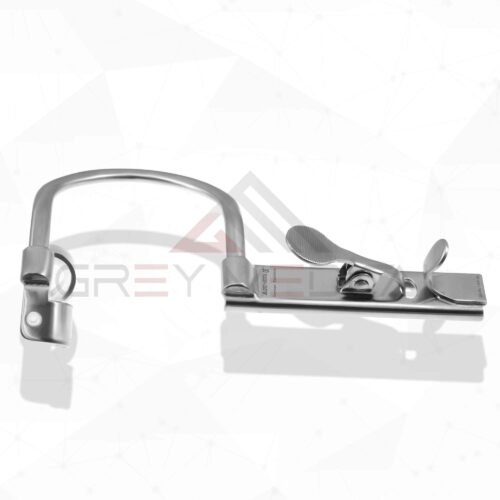
In modern surgical and anesthetic practice, airway management is one of the most critical steps in ensuring patient safety. Among the essential tools used for this purpose, the boyles tongue blade stands out as a reliable and effective instrument designed to assist in maintaining a clear airway during procedures. Its structure, functionality, and clinical importance make it a valuable component in operating rooms and emergency settings.
Introduction to Airway Assistance Instrument
The boyles tongue blade is specially designed to aid anesthetists and surgeons in controlling and positioning the tongue during intubation. By gently holding the tongue aside, it allows better visibility of the throat and facilitates the safe insertion of airway devices. This simple yet highly functional tool plays a vital role in preventing airway obstruction and ensuring smooth surgical procedures.
Manufactured with high-grade stainless steel, the instrument is durable, corrosion-resistant, and suitable for repeated sterilization, making it ideal for long-term clinical use.
Design and Functional Efficiency
The ergonomic design of the boyles tongue blade ensures ease of handling and precise control during medical procedures. Its smooth edges minimize trauma to surrounding tissues while providing adequate retraction of the tongue. This balance between safety and efficiency is what makes it widely used in anesthesia departments.
In addition, the instrument is compatible with various airway setups, allowing medical professionals to integrate it seamlessly into different surgical environments. Its lightweight structure also reduces hand fatigue during extended procedures, improving overall operational performance.
Clinical Importance in Surgery
In surgical and emergency care settings, airway obstruction can pose serious risks. The boyles tongue blade helps mitigate these risks by ensuring the tongue does not block the airway during intubation. This makes it especially useful in oral, maxillofacial, and general surgeries where airway access is critical.
Anesthesiologists rely on this instrument to maintain a clear line of sight during laryngoscopy. Its consistent performance contributes to faster and safer intubation, which is essential in both planned surgeries and emergency interventions.
Material Quality and Sterilization Benefits
High-quality stainless steel construction gives the boyles tongue blade excellent strength and longevity. It is resistant to rust, stains, and chemical damage, which is essential in maintaining hygiene standards in medical environments. The instrument can withstand repeated autoclave sterilization cycles without losing its structural integrity.
This durability not only ensures patient safety but also makes it a cost-effective choice for hospitals and surgical centers.
Application in Modern Medical Practice
Today, the self-retaining retractor continues to be a standard instrument in anesthesia sets across hospitals worldwide. Its role in improving airway visualization and assisting intubation procedures has made it indispensable in both routine and complex surgeries.
Medical professionals value its simplicity, reliability, and effectiveness, especially in high-pressure situations where precision is essential.
Conclusion
The boyles tongue blade remains a fundamental instrument in airway management and anesthetic practice. Its thoughtful design, durable construction, and clinical efficiency make it a trusted tool in operating rooms and emergency care units. As surgical techniques continue to evolve, instruments like this continue to play a crucial role in ensuring patient safety and procedural success.
GreyMedical®️ is a privately owned medical technology company dedicated to innovation and excellence in the craft of surgical instruments.