Bryn Mawr Family Dentistry | Sleep Apnea Treatment Options
Can sleep apnea treatment improve your health? Bryn Mawr family dentistry experts explain the signs, risks, and oral appliance solutions available.
 Smith024
Can Sleep Apnea Treatment Improve Overall Health?
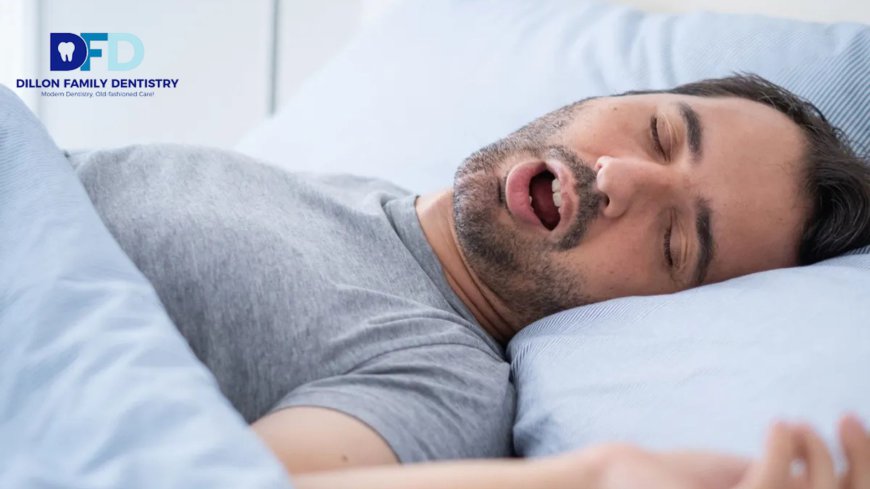
Many people with sleep apnea don't realize they have it. Instead, they simply feel constantly tired, assuming it's due to a busy routine or daily stress. Even after a full night's sleep, they may wake up with headaches, feel unrested, or struggle to get up in the morning without understanding why. In some cases, a partner may notice loud snoring or disrupted breathing during sleep. Over time, these signs are often dismissed as stress, poor habits, or just part of getting older, rather than a possible underlying condition.
Sleep apnea, a medical condition involving repeated stopping and starting of airflow during sleep due to a blocked or impaired upper airway, can quietly but steadily damage overall health and well-being.
At Dillon Family Dentistry, a trusted name in Bryn Mawr family dentistry, our office provides solutions for treating sleep apnea and other breathing disorders. Many patients are surprised to learn that a family dentist can help treat sleep disorders. Yet after receiving care, the difference is clear: restful nights, easier mornings, and a renewed sense of energy throughout the day.
Key Takeaways:
-
Sleep apnea is linked to serious systemic health conditions, not just poor sleep.
-
Loud snoring, morning headaches, and daytime fatigue are common warning signs.s
-
Oral appliance therapy is a highly effective, CPAP-free treatment option
-
Treating sleep apnea can lower blood pressure, improve heart health, and sharpen mental clarity
-
Your Bryn Mawr family dentistry provider may be your most accessible first step toward diagnosis and treatment
What Sleep Apnea Is Actually Doing to Your Body
Whenever you stop breathing, even momentarily, several times in a single night, your body treats it as an emergency. Heart rate and stress hormones increase, and your brain briefly "wakes" itself to restart breathing. You may not notice these moments, but your body does.
The long-term effect can be damaging. The American Sleep Apnea Association reports more than twenty-two million adults have sleep apnea, most of them undiagnosed. Untreated obstructive sleep apnea increases risk for high blood pressure, type 2 diabetes, stroke, heart disease, depression, and impaired mental functioning. These are serious health conditions, many developing silently during sleep.
Recognizing Signs Patients Often Describe
Sleep apnea doesn't always look dramatic. Many patients visiting our Bryn Mawr family dentistry practice for a snoring consultation are surprised their "normal" symptoms are actually textbook signs of a sleep disorder:
-
Waking up with a dry mouth or sore throat most mornings
-
Headaches worse right after waking up
-
Feeling unrefreshed even after a full night in bed
-
Loud, chronic snoring, often noticed by a partner first
-
Difficulty concentrating, memory issues, or unusual irritability during the day
-
Waking up gasping or choking during the night
If several of these feel familiar, it's worth talking to your family dentist or physician about a sleep study.
Why Sleep Apnea Happens and Why Dentists Are Involved
Obstructive Sleep Apnea (OSA) occurs when soft tissues in the throat relax and partially or completely block the airway during sleep. Because it involves the positioning of the jaw, tongue, and throat, OSA has a clear structural component, which is where Dental Sleep Medicine comes in. Dentists trained in this field understand jaw and airway anatomy, allowing them to treat obstruction effectively using custom oral appliances.
Common contributing factors include excess soft tissue around the throat, a retruded lower jaw, a larger tongue, obesity, and the natural loss of muscle tone with aging. OSA can affect anyone but is more common in men and tends to increase with age.
How Sleep Apnea Treatment Can Change Your Health, Step by Step
Step 1: Your blood pressure starts to respond. Lower blood pressure is a well-documented result of treating sleep apnea. When your body doesn't have to repeatedly activate its stress response overnight, your cardiovascular system gets a break, with evidence showing sleep apnea therapy can lower systolic blood pressure by several points.
Step 2: Your heart health improves. Untreated OSA places significant strain on the cardiovascular system, potentially leading to irregular heart rhythms and increased risk of heart attack or stroke. Many patients who undergo oral appliance therapy report noticeable improvements reflected in follow-up visits with their cardiologist.
Step 3: Brain fog lifts. Sleep reinforces memories, clears cellular waste from the brain, and balances emotional state. Fragmented sleep disrupts these functions. Many patients notice improved mental clarity within a couple of weeks of starting treatment.
Step 4: Energy comes back. This is what patients feel most immediately: energy returns naturally, far beyond what caffeine can replicate.
What Treatment Actually Looks Like at Dillon Family Dentistry
For patients diagnosed with OSA who struggle with CPAP or prefer alternatives, oral appliance therapy offers a comfortable, effective option. This custom-made device is worn during sleep and gently repositions the lower jaw forward to keep the airway open. Unlike CPAP, it's compact, quiet, and easy to travel with a convenient solution, especially for mild to moderate sleep apnea.
As a Bryn Mawr family dentistry practice trained in Dental Sleep Medicine, we work closely with physicians and sleep specialists to ensure comprehensive care, from precise impressions and fitting to ongoing adjustments. For many patients, the impact is meaningful: one patient, after years struggling with CPAP, experienced restful, uninterrupted sleep within just two months of starting oral appliance therapy, along with the welcome news that his snoring had finally stopped.
Why Patients Choose Dillon Family Dentistry for Sleep Apnea Care
Choosing a family dentistry practice for sleep concerns may feel unexpected, but patients quickly see the difference when care is thorough, collaborative, and focused on real outcomes. At Dillon Family Dentistry, every treatment begins with listening. We take time to understand your symptoms, gather the right information, and build a plan tailored to your needs, coordinating closely with your physician when required.
Our approach goes beyond a single solution. From detailed evaluations to ongoing follow-ups, we stay involved at every stage, adjusting treatment as needed for lasting results.
Don't Keep Blaming Stress for What Sleep Apnea Might Be Causing
Constant fatigue, cloudy thinking, trouble concentrating, rising blood pressure, and shifting moods can quietly become part of everyday life. Over time, they may feel normal, but for most people, they aren't. In many cases, these symptoms point to an underlying condition that's both common and treatable, yet often goes undiagnosed.
If you've experienced these symptoms, or know someone who has, call Dillon Family Dentistry today at our Bryn Mawr location for an evaluation and begin your journey back to restful sleep and better health.
Read More: Can Sleep Apnea Treatment Improve Overall Health?
Frequently Asked Questions
1. What are the most effective treatments for sleep apnea?
The most effective options include CPAP machines, lifestyle changes, and oral appliances. Many patients benefit from customized solutions offered through dental sleep medicine at their Bryn Mawr family dentistry provider.
2. Can a dentist help treat sleep apnea or snoring?
Yes. A family dentist trained in dental sleep medicine can provide custom oral devices designed to keep your airway open, offering personalized care for both sleep apnea and snoring.
3. What is an oral appliance, and how does it work for sleep apnea?
An oral appliance is a custom-made device worn during sleep that repositions your jaw to keep the airway open, offering a comfortable, non-invasive alternative to CPAP.
4. Is oral appliance therapy better than CPAP?
It depends on severity. CPAP is highly effective, but many patients prefer oral appliance therapy because it's more comfortable and easier to use. Your family dentist can help determine the best option.
5. How do I know if I have sleep apnea or just snoring?
Common signs include loud snoring, gasping during sleep, and daytime fatigue. A professional evaluation can help diagnose your condition and recommend proper treatment.
6. Can treating sleep apnea improve overall sleep quality?
Yes. Proper treatment can significantly improve sleep quality, reduce fatigue, and enhance daily energy levels by addressing the underlying airway issue.
7. Are dental devices for sleep apnea comfortable to wear?
Most patients find oral appliances comfortable after a short adjustment period, with custom devices designed for a secure, user-friendly fit.
8. How long does it take to see results from sleep apnea treatment?
Many patients notice improvements within a few nights to a few weeks, with consistency being key to long-term symptom relief.
9. What are the risks of leaving sleep apnea untreated?
Untreated sleep apnea can lead to serious health issues such as heart disease, high blood pressure, and chronic fatigue.
10. Can snoring be cured permanently without surgery?
In many cases, yes. Non-surgical options like oral appliances can effectively reduce or eliminate snoring, tailored to your specific needs.