Front Hand Mehndi Design: Modern Bridal Style Guide
Explore the latest front hand mehndi design trends, including traditional, Arabic, minimalist, and personalized bridal styles with expert insights for modern wedding celebrations.
 aaravsinghoct
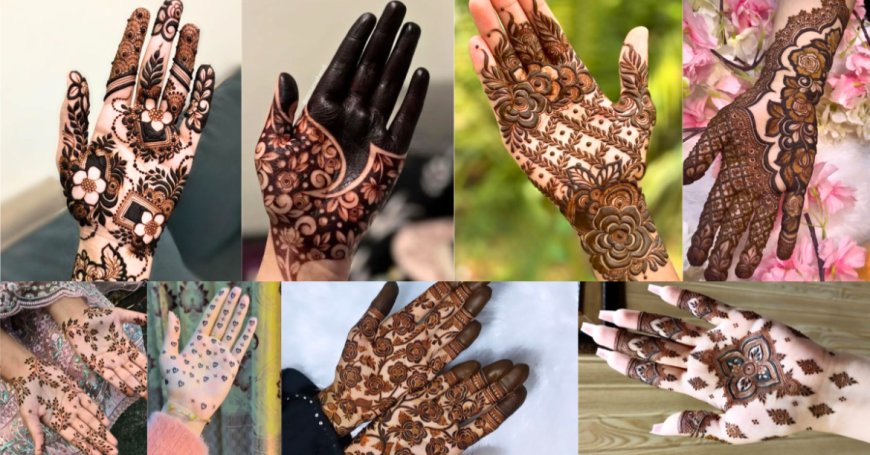
Front hand mehndi design has become one of the most important visual elements in modern Indian weddings. While mehndi has always carried deep cultural and emotional significance, contemporary bridal trends have transformed front hand mehndi into a form of artistic storytelling that reflects personal style, regional traditions, fashion preferences, and wedding aesthetics.
Today’s brides are no longer selecting mehndi designs based only on tradition. They are choosing styles that complement their bridal outfits, photography themes, jewelry choices, and overall wedding atmosphere. According to wedding industry observations shared by Destination Weddings India, mehndi styling has evolved into a major component of bridal presentation and guest experience within destination weddings and luxury celebrations.
Industry insights published by Destination Weddings India suggest that modern mehndi trends are increasingly influenced by personalization, minimalism, comfort, cultural fusion, and visual harmony across wedding events.
For readers exploring bridal styling inspiration and evolving mehndi trends, DWI’s detailed Front Hand Mehndi Design guide highlights how front hand mehndi continues to adapt to modern bridal aesthetics while preserving traditional craftsmanship.
Front hand mehndi today is not simply decorative. It has become an extension of bridal identity and wedding storytelling.
Why Front Hand Mehndi Design Matters in Modern Weddings
The front hand remains the most visible area for bridal mehndi during wedding functions, rituals, photography sessions, and guest interactions.
Unlike back hand mehndi, front hand designs are constantly highlighted through:
· Ring ceremonies
· Bridal portraits
· Ritual photography
· Jewelry styling
· Floral accessories
· Guest greetings
This visibility makes front hand mehndi especially important in modern bridal presentation.
Wedding stylists increasingly note that front hand mehndi now contributes directly to:
· Bridal aesthetics
· Fashion coordination
· Photography outcomes
· Cultural expression
· Personalized wedding storytelling
According to destination wedding specialists referenced by DWI, brides are increasingly selecting mehndi designs that align with the mood and visual identity of specific wedding events rather than following a single traditional template.
The Evolution of Front Hand Mehndi Trends
Front hand mehndi styles have changed significantly over the last decade.
Traditional bridal mehndi once emphasized:
· Dense patterns
· Full hand coverage
· Symmetrical layouts
· Classic motifs
Modern bridal trends now include:
· Minimalist designs
· Arabic patterns
· Indo Western styling
· Negative space concepts
· Jewelry inspired motifs
· Personalized illustrations
· Contemporary floral arrangements
This evolution reflects broader changes within the wedding industry where personalization and comfort are becoming increasingly important.
Industry observations from DWI’s front hand mehndi inspiration resource suggest that brides increasingly prioritize designs that photograph well while still feeling elegant and wearable during long wedding celebrations.
Popular Front Hand Mehndi Design Styles
Traditional Indian Mehndi
Traditional Indian mehndi remains one of the most preferred bridal styles.
These designs often include:
· Paisleys
· Mandalas
· Peacock motifs
· Floral detailing
· Fine line filling
· Religious symbols
Traditional patterns are commonly selected for:
· Wedding ceremonies
· Cultural functions
· Family rituals
These designs usually create a rich and detailed bridal appearance.
Arabic Front Hand Mehndi
Arabic mehndi has become highly popular because of its cleaner and more breathable design structure.
This style generally features:
· Bold floral trails
· Leaf patterns
· Open spaces
· Diagonal layouts
· Flowing motifs
Arabic mehndi is especially preferred for:
· Minimal bridal looks
· Destination weddings
· Daytime functions
· Contemporary styling
Minimalist Mehndi Designs
Minimal mehndi trends have grown rapidly among modern brides.
These designs often focus on:
· Finger detailing
· Wrist patterns
· Small mandalas
· Bracelet inspired layouts
· Negative space usage
Minimalist mehndi is commonly chosen for:
· Engagement ceremonies
· Cocktail events
· Intimate weddings
· Modern bridal fashion
Personalized Mehndi Art
Customized mehndi has become increasingly important in luxury weddings.
Popular personalized elements include:
· Couple initials
· Love stories
· Venue illustrations
· Travel themes
· Wedding hashtags
· Cultural symbols
This trend reflects the growing importance of storytelling within modern wedding design.
Front Hand Mehndi and Bridal Fashion Coordination
Modern bridal styling focuses heavily on visual harmony.
Front hand mehndi is now coordinated with:
· Bridal lehengas
· Jewelry styling
· Nail aesthetics
· Floral accessories
· Photography concepts
For example:
· Heavy bridal outfits are often paired with balanced mehndi density
· Minimal jewelry may be complemented with detailed mehndi patterns
· Contemporary bridal fashion frequently aligns with open space mehndi designs
Wedding stylists increasingly recommend viewing mehndi as part of the overall bridal design strategy rather than an isolated ritual element.
Destination Wedding Influence on Mehndi Trends
Destination weddings have significantly influenced mehndi styling trends.
Brides participating in beach weddings, palace weddings, and intimate destination celebrations often prefer:
· Lightweight patterns
· Comfortable layouts
· Faster drying styles
· Weather friendly application techniques
For example:
· Beach weddings frequently favor Arabic and minimal mehndi
· Heritage weddings often feature traditional intricate detailing
· Daytime outdoor ceremonies usually benefit from breathable patterns
Industry insights shared in DWI’s Front Hand Mehndi Design trends guide suggest that mehndi artists increasingly adapt designs based on venue environment, climate conditions, bridal styling, and photography expectations.
Common Mistakes Brides Often Make
Choosing Style Over Comfort
Extremely dense mehndi designs may become uncomfortable during long wedding functions.
Comfort and practicality should also be considered.
Ignoring Outfit Coordination
Mehndi designs that clash with bridal styling can affect overall visual harmony.
Design selection should align with:
· Fabric aesthetics
· Jewelry detailing
· Event mood
Last Minute Mehndi Planning
Brides often underestimate the time required for:
· Design selection
· Application sessions
· Drying process
· Color development
Planning early helps avoid unnecessary stress.
Following Trends Without Personal Relevance
Not every trending mehndi style suits every bridal personality or wedding atmosphere.
Personal comfort and cultural connection remain important.
Guest Experience and Mehndi Ceremonies
Mehndi ceremonies themselves have evolved into major hospitality experiences within destination weddings.
Modern mehndi events now often include:
· Live music
· Interactive décor
· Regional cuisine
· Floral styling
· Entertainment zones
· Lounge seating
Hospitality focused wedding planning has transformed mehndi functions into social experiences rather than purely ritual gatherings.
Destination wedding specialists at DWI frequently note that well planned mehndi ceremonies often become one of the most memorable events for guests because they encourage relaxed interaction and emotional connection.
Expert Recommendations for Choosing Front Hand Mehndi Designs
Prioritize Personal Comfort
Choose designs that feel practical for:
· Long ceremonies
· Jewelry styling
· Outfit coordination
· Climate conditions
Match Mehndi to Wedding Style
Different wedding formats often suit different mehndi aesthetics.
For example:
· Palace weddings may complement traditional patterns
· Beach weddings often suit minimal floral layouts
· Contemporary weddings may align with geometric detailing
Consider Photography
Front hand mehndi appears heavily in:
· Bridal portraits
· Ring shots
· Ritual photography
Design visibility and detailing should photograph well from different angles.
Allow Proper Drying and Color Development Time
Brides should avoid scheduling mehndi too close to major wedding functions.
Proper preparation improves:
· Stain quality
· Comfort
· Overall appearance
According to bridal styling observations shared by DWI, brides who balance aesthetics, comfort, and personalization often achieve the most visually cohesive mehndi looks.
FAQs
Why is front hand mehndi important in bridal styling?
Front hand mehndi remains highly visible during ceremonies, photography sessions, jewelry styling, and guest interactions, making it a major part of bridal presentation.
Which mehndi style is most popular for modern brides?
Arabic, minimalist, traditional Indian, and personalized mehndi styles are among the most preferred modern bridal choices.
Are minimalist mehndi designs suitable for bridal functions?
Yes. Many modern brides prefer minimalist mehndi for engagement ceremonies, intimate weddings, and destination celebrations.
How do destination weddings influence mehndi trends?
Destination weddings often encourage lighter, more breathable, and weather friendly mehndi styles that align with relaxed wedding atmospheres.
What should brides consider before selecting a mehndi design?
Brides should consider outfit coordination, event style, comfort, photography visibility, and personal cultural preferences.
Conclusion
Front hand mehndi design continues to evolve as an important part of modern bridal identity and wedding aesthetics. What was once viewed primarily as a traditional ritual has now become a sophisticated element of fashion coordination, cultural storytelling, and personalized wedding styling.
From intricate traditional motifs to minimalist contemporary patterns, front hand mehndi reflects broader shifts within the wedding industry where personalization, guest experience, and visual harmony increasingly shape bridal choices.
Industry observations from Destination Weddings India continue to highlight how modern mehndi trends are becoming more adaptive, experience driven, and closely connected to destination wedding culture, hospitality environments, and contemporary bridal fashion.