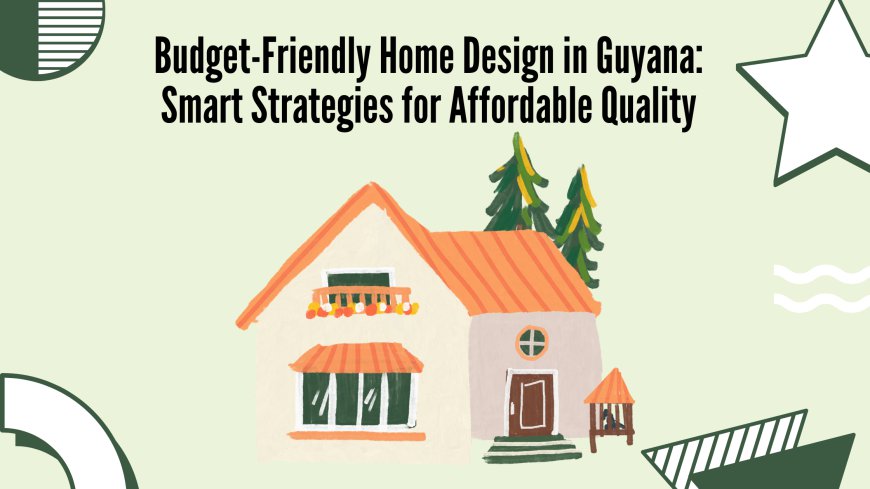
Budget-Friendly Home Design in Guyana: Smart Strategies for Affordable Quality
From efficient design principles to smart material choices and construction strategies, this guide will help you build a home that fits your budget without compromising functionality, comfort, or long-term value.
 pristineridgehome
Building your dream home shouldn’t mean sacrificing quality for cost. In a thriving market like Guyana—where demand for well-designed, affordable housing continues to grow—balancing style, durability, and budget is key. Whether you’re planning a new build, renovating an existing property, or seeking expert guidance, understanding how to approach home design and construction in Guyana with cost-effective solutions can make all the difference.
From efficient design principles to smart material choices and construction strategies, this guide will help you build a home that fits your budget without compromising functionality, comfort, or long-term value.
Understanding the Guyanese Context
Before diving into design tactics, it’s important to recognize what makes home design and construction in Guyana unique:
-
???? Dynamic housing landscape: Guyana’s housing sector is rapidly evolving, with government initiatives aimed at making homeownership more accessible and affordable. In recent years, the government has introduced programmes like low-income mortgage expansions and subsidies on construction materials to support homeowners and stimulate development.
-
???? Increasing demand for affordable homes: With growth in both the economy and population, more Guyanese are seeking practical, cost-sensitive residential builds. This has created a strong market for budget-friendly solutions without unnecessary extravagance.
Given this environment, it’s essential to have a clear strategy for home design and construction in Guyana that emphasizes disciplined budgeting from day one.
1. Start with Smart Planning
The foundation of any budget-friendly build begins long before the first brick is laid. In fact, planning plays a far greater role in controlling costs than most people realize.
Efficient Layouts
One of the biggest hidden costs in construction is wasted space. Oversized rooms, awkward hallways, and complex partitions may look appealing in concept but can dramatically increase material and labor expenses. A compact, intelligently planned layout maximizes usable space while keeping costs in check.
Think about it this way: a well-designed 1,200–1,500 sq ft home with an open plan layout, efficient storage, and multifunctional areas can feel much larger than its square footage suggests.
Align Dimensions with Standard Materials
Simple adjustments in design can reduce waste. For example, concrete blocks—the backbone of many builds in Guyana—typically come in standard sizes. Designing floor heights and room dimensions that match these standard units reduces cutting, material waste, and labor time.
2. Choose Cost-Effective Materials
Material expenses often account for a significant share of your overall budget. With a strategic approach, you can balance durability and cost:
Use Local Materials
Locally manufactured blocks, timber, and aggregates not only support the Guyanese economy but also cut down on transportation costs. Local products are abundant and tend to be more affordable than imported alternatives.
Think Long Term
It’s tempting to chase the lowest upfront cost, but durability matters. Investing slightly more in corrosion-resistant roofing, weather-appropriate finishes, or quality windows can pay off through lower maintenance over the life of your home.
Simple Roof Design
Complex roof structures with multiple angles and slopes are elegant but costly. Simple gable or hip roofs are easier and quicker to construct, keep water runoff efficient, and reduce labor costs.
3. Streamline Construction Processes
Once your plans and materials are in place, a strategic construction approach can significantly reduce costs related to labor and time.
Modular and Repetitive Design
Incorporating modular elements—such as pre-built stair units or repeated window and door sizes—can speed up construction and save on labor costs. Repetition also makes bulk ordering materials more feasible, which often brings discounts.
Phased Construction
You don’t need to build everything at once. Start with essential elements—like the structural shell, living spaces, and utilities—and phase in non-critical features over time as budget allows. This controlled release of funds helps prevent financial strain and allows you to focus on quality rather than speed.
Order Materials Early
Delays due to unavailable materials can stall construction and inflate costs. Knowing local supply timelines and ordering materials well in advance helps avoid rush deliveries and idle workers.
4. Navigate Legal and Permit Costs
It’s easy to overlook administrative costs when budgeting for home design and construction in Guyana, but permits, land titles, utility connections, and environmental clearances are essential.
Skipping or underestimating these requirements can lead to delays, fines, or stoppages—none of which are friendly to your budget. Factor in this aspect early and work with experienced professionals who understand local regulations.
5. Prioritize Skilled, Efficient Labor
Labor usually accounts for 30–40% of your construction costs in Guyana. Skilled workers—like masons, carpenters, and plumbers—are worth the investment, as their expertise ensures sound construction and reduces errors that require costly fixes.
If you manage procurement yourself and negotiate labor-only contracts, you may find savings on material markup. But this requires a solid understanding of the construction process, scheduling, and quality standards.
6. Value Professional Design Expertise
Engaging an architect or design professional early in the process might feel like an extra cost, but it can save you significantly in the long run. Good home design and construction in Guyana isn’t just about drafting floor plans—it’s about value engineering.
Architects:
-
Optimize layouts for function and cost
-
Prepare precise construction drawings
-
Anticipate material needs before they become urgent
-
Advise on durable, climate-appropriate materials
The upfront investment in professional design mitigates costly construction decisions, rework, and waste—ultimately keeping your project on time and within budget.
7. Budget Around Local Reality
A realistic budget includes more than bricks and mortar. When planning home design and construction in Guyana, remember to account for:
-
Land acquisition and site preparation
-
Utility hookups (water, electricity, sewage)
-
Permit and planning fees
-
Contingencies (15–20% recommended)
-
Landscaping and drainage
Building with a buffer prevents financial surprises and keeps your project progressing.
8. Government Support and Sector Growth
There’s good news for home builders in Guyana: recent government budgets have included direct support for home construction and upgrades, and subsidies on steel and cement remain available.
Initiatives like stepped-up mortgage ceilings and affordable housing programmes increase access to financing and reduce the overall financial burden of residential builds.
Final Thoughts
Creating a comfortable, durable home in Guyana without draining your savings is absolutely achievable with thoughtful planning and disciplined execution. By focusing on smart home design and construction in Guyana, efficient material use, strategic construction methods, and professional guidance, you’ll establish a solid foundation for a home that meets your needs today—and for decades to come.
Remember: cost savings don’t come from cutting corners; they come from making informed decisions early, embracing efficient design, and prioritizing quality where it matters most.
Ready to Build Your Budget-Friendly Dream Home?
At Pristine Ridge Homes, we specialize in structured, budget-aligned home design and construction in Guyana that delivers quality without compromise. Our disciplined process protects your investment, ensures predictable results, and helps you finish your home—on time and on budget.