Can Morpheus8 Reduce Double Chin Appearance?
 carehealth
A double chin can be frustrating, especially when it remains noticeable despite a healthy lifestyle and regular exercise. For people looking for a non-surgical approach to improving the appearance of the jawline, Morpheus8 Dubai has gained attention as a treatment that combines microneedling with radiofrequency energy to encourage skin tightening and collagen remodeling. But can it actually reduce the appearance of a double chin? The answer depends on what causes the fullness and how much loose skin is present.
Understanding What Causes a Double Chin
A double chin, medically referred to as submental fullness, can develop for several reasons. Excess fat beneath the chin is one of the most common causes, but it is not the only factor. Genetics, aging, weight fluctuations, and reduced skin elasticity can all contribute to a less defined jawline.
Is It Always Caused by Excess Fat?
Not necessarily. Some people naturally carry more fat under the chin, while others may have relatively little fat but experience sagging or loose skin. In many cases, both concerns occur together.
This distinction is important because a treatment designed to improve skin firmness may be more beneficial for someone with mild laxity than for someone with significant excess fat. Understanding the underlying cause helps set realistic expectations about what a treatment can and cannot achieve.
How Does Morpheus8 Work Around the Chin?
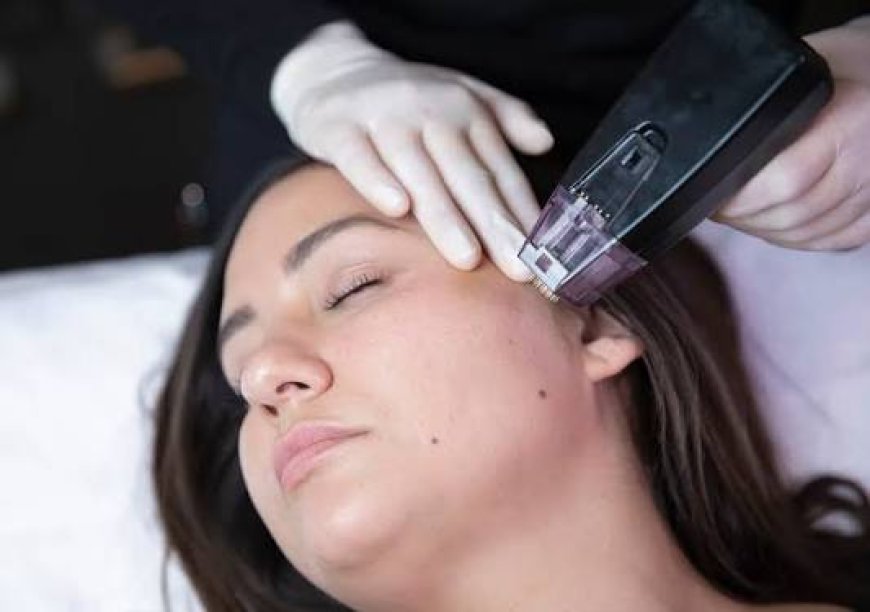
Morpheus8 uses tiny needles to deliver controlled radiofrequency energy into targeted layers of the skin. This combination creates microscopic treatment points while delivering heat beneath the surface.
The process is designed to stimulate the body's natural collagen and elastin production. As the skin undergoes remodeling, it may gradually become firmer, smoother, and more refined in appearance.
When used around the lower face and under the chin, the treatment can focus on areas where skin laxity contributes to a softer jawline. Over time, the improvement in skin texture and tightness may make the contour appear more defined.
The Role of Collagen Remodeling
Collagen is a structural protein that helps support skin firmness and elasticity. As people age, natural collagen production tends to decline, which can contribute to sagging and changes in facial definition.
Radiofrequency microneedling aims to encourage new collagen formation through controlled thermal stimulation. Because this is a gradual biological process, results typically develop progressively rather than appearing immediately after one session.
Can It Actually Reduce a Double Chin?
The most accurate answer is: it may improve the appearance of a double chin, particularly when loose or lax skin is a major contributing factor.
Morpheus8 is not primarily a fat-removal treatment. Therefore, it should not be viewed as a direct replacement for procedures specifically designed to remove or reduce substantial fat beneath the chin. However, when mild submental fullness is combined with skin laxity, tightening the surrounding tissue may create a more sculpted appearance.
When It May Be Most Helpful
The treatment may be particularly appealing to individuals who have:
- Mild to moderate skin laxity beneath the chin
- Early signs of jawline softening
- Reduced skin firmness due to aging
- Loose skin following weight loss
- A desire for a non-surgical treatment approach
The visible outcome can vary considerably from person to person. Skin quality, age, genetics, lifestyle, and the amount of underlying fat can all influence the final appearance.
What Kind of Results Can You Expect?
One of the biggest advantages of collagen-stimulating treatments is that changes can continue to develop after the treatment itself. Instead of producing an instant transformation, the skin may gradually look tighter and more refined as the remodeling process progresses.
Some people may notice an early improvement in skin texture or firmness, while more noticeable changes can take additional time. The extent of improvement also depends on the severity of the concern.
A More Defined Jawline
When skin laxity is contributing to the appearance of a double chin, increased firmness can help create a cleaner transition between the chin, jaw, and neck. This may make the lower face look more contoured without dramatically changing the person's natural facial structure.
However, expectations should remain realistic. Non-surgical skin tightening generally provides a more subtle result than surgical lifting or procedures specifically intended for significant fat reduction.
What If Excess Fat Is the Main Problem?
If the double chin is primarily caused by a larger amount of submental fat, skin tightening alone may not produce the desired degree of change. In such cases, a comprehensive assessment can help determine whether another approach may be more appropriate.
The good news is that modern aesthetic treatments can address different aspects of the lower face. Depending on the individual's anatomy, a treatment plan may focus on fat reduction, skin tightening, or a combination of approaches.
This is why identifying the primary cause of the double chin is one of the most important steps before choosing a treatment.
Why Skin Tightening Matters After Fat Reduction
Even when excess fat is reduced, skin elasticity can influence how defined the final jawline appears. If the skin does not retract sufficiently, some looseness may remain.
This is where collagen stimulation can play a supportive role. Improving skin firmness may help the area appear smoother and more toned. However, the suitability of any combination approach depends on individual skin quality and treatment goals.
The Importance of Personalized Assessment
No two double chins are exactly alike. One person may have mostly excess fat, another may have loose skin, and someone else may have a combination of both.
A professional assessment can evaluate factors such as skin elasticity, tissue thickness, facial proportions, and the degree of submental fullness. This helps determine whether radiofrequency microneedling is likely to provide meaningful improvement.
What Can Affect Your Results?
Several factors may influence how well the skin responds to treatment. Age, collagen production, lifestyle habits, sun exposure, and overall skin condition can all play a role.
Maintaining a stable weight can also be helpful because significant weight fluctuations may affect the amount of fullness beneath the chin and the skin's appearance. Protecting the skin from excessive sun exposure and following appropriate aftercare recommendations may further support the healing and rejuvenation process.
It is also important to remember that individual responses differ. A treatment that creates a noticeable improvement for one person may provide a subtler change for another.
Is Morpheus8 a Good Option for a Double Chin?
For individuals whose concern is linked mainly to mild skin laxity, Morpheus8 may offer a promising non-surgical way to improve the appearance of the chin and jawline. Its ability to stimulate collagen while addressing skin texture can make it an attractive option for those who want gradual refinement rather than an invasive procedure.
However, it is essential to understand its limitations. Significant excess fat or pronounced skin sagging may require a different treatment strategy. The best approach depends on the underlying cause and the individual's desired outcome.
Final Thoughts
A double chin can result from excess fat, loose skin, genetics, aging, or a combination of these factors. Because Morpheus8 focuses on collagen stimulation and skin tightening, it may help create a firmer and more defined appearance when laxity plays a significant role. The results are generally gradual, making realistic expectations an important part of the process.
Ultimately, the key is choosing an approach that matches the reason behind the double chin. With the right assessment and a personalized treatment plan, improving skin firmness may help enhance the natural contours of the lower face and create a smoother-looking transition from the chin to the neck.