How Chiropractic Care Supports Spinal Health
Discover how chiropractic care supports spinal health by improving alignment, reducing nerve pressure, and helping maintain overall mobility and comfort.
 joesmith
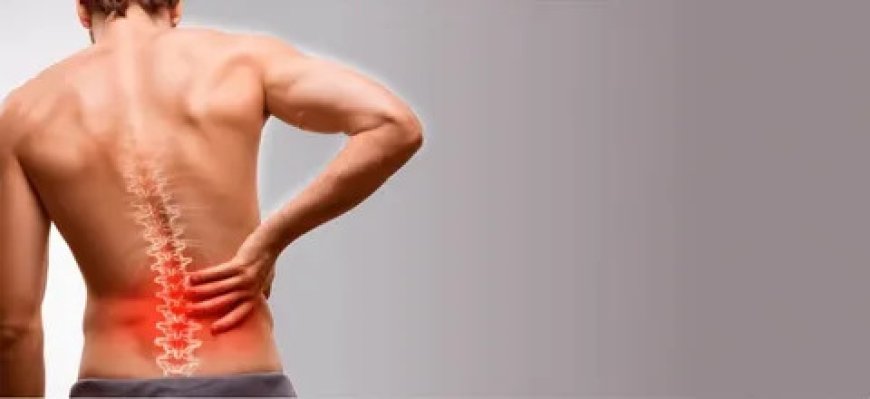
The spine serves as the foundation of our entire body structure. It protects the spinal cord and enables us to move freely. When spinal health deteriorates, it affects our overall quality of life. Many people seek natural solutions to maintain optimal vertebral column function. Professional spinal manipulation has emerged as a trusted approach for millions worldwide.
Understanding the Spine's Critical Role
Our vertebral column consists of thirty-three individual bones stacked together. These bones create a protective channel for the nervous system. The spine supports our body weight during all daily activities. It allows us to bend, twist, and maintain proper posture throughout life. Intervertebral discs act as cushions between each vertebra, absorbing shock effectively. Ligaments and muscles surround these structures, providing additional stability and strength.
Poor posture, injuries, and aging can compromise this delicate system significantly. When vertebrae shift out of their natural alignment, problems begin developing. Nerve compression occurs, leading to pain and reduced mobility over time. The body's ability to heal itself becomes compromised in these situations.
The Foundation of Spinal Manipulation Therapy
Practitioners use hands-on techniques to address vertebral misalignments and restrictions. These methods focus on restoring proper joint mobility and function naturally. Manual adjustments apply controlled force to specific areas of concern. The goal centers on correcting subluxations that interfere with nervous system performance.
Licensed professionals undergo extensive training in anatomy, physiology, and biomechanics. They learn to identify areas where vertebrae have lost normal motion. Diagnostic assessments include physical examinations and reviewing patient medical histories thoroughly. Some cases require imaging studies to understand the underlying structural issues.
Treatment plans are customized based on individual patient needs and conditions. The approach considers age, fitness level, and specific health concerns carefully. Gentle techniques exist for those requiring more delicate handling and care.
Correcting Vertebral Misalignments
Subluxations represent slight vertebral displacements that create nervous system interference. These misalignments can result from trauma, repetitive stress, or poor habits. When bones shift from their ideal position, muscles compensate unnaturally. This compensation leads to tension, inflammation, and eventual tissue damage.
Spinal adjustments restore vertebrae to their proper anatomical positions effectively. The body can then function as nature intended without obstruction. Nerve signals flow freely between the brain and body tissues. This improved communication enhances the body's innate healing capabilities significantly.
Patients often report immediate relief following successful realignment of affected segments. Muscle tension decreases as the skeletal system regains its natural balance. Range of motion improves, allowing easier movement during everyday tasks.
Relieving Pressure on Neural Pathways
The spinal cord transmits vital information between the brain and body. Nerve roots exit at each vertebral level, reaching specific body regions. When misalignments occur, these delicate nerves can become compressed or irritated. This pressure disrupts normal nerve function and creates various symptoms.
Pain radiating down the arms or legs often indicates nerve compression. Numbness, tingling, and muscle weakness may also develop over time. Addressing the mechanical cause through spinal manipulation relieves this neural stress. The nervous system can then operate without interference or restriction.
Decompression occurs naturally when proper alignment is restored to affected areas. Blood flow improves, bringing oxygen and nutrients to damaged tissues. Inflammation subsides as the body no longer perceives structural threat.
Enhancing Disc Health and Function
Intervertebral discs depend on movement for proper nutrition and hydration. These structures lack direct blood supply, relying on diffusion instead. Normal spinal motion creates a pumping action that nourishes disc tissue. When vertebrae become restricted, this vital process becomes impaired significantly.
Joint mobilization restores necessary movement patterns to the vertebral column. Discs receive improved nutrient delivery and waste removal through restored motion. This enhanced circulation promotes healing and prevents further degeneration over time.
Healthy discs maintain their height and shock-absorbing properties more effectively. They provide better cushioning between vertebrae during all physical activities. This protection reduces wear and tear on the entire spinal structure.
Improving Posture and Spinal Alignment
Modern lifestyles often involve prolonged sitting and forward head positioning. These habits create muscular imbalances and altered spinal curves gradually. The natural cervical lordosis, thoracic kyphosis, and lumbar lordosis become distorted. Poor posture places excessive stress on spinal joints and supporting tissues.
Professionals address these postural distortions through targeted adjustments and guidance. The spine gradually returns to its ideal alignment with consistent care. Muscle memory improves as the body relearns correct positioning patterns. Patients receive education on maintaining proper posture during work and recreation.
Better alignment reduces mechanical stress on all spinal structures significantly. Energy expenditure decreases as the body operates more efficiently overall. People experience less fatigue and improved physical performance in activities.
Supporting Natural Healing Processes
The human body possesses remarkable self-healing abilities when functioning optimally. Structural restrictions and nerve interference limit these innate healing mechanisms considerably. Removing these obstacles allows the body to recover more effectively.
Spinal manipulation stimulates mechanoreceptors, influencing pain perception in the nervous system. This stimulation can reduce pain signals while promoting natural analgesic responses. The body's inflammatory response becomes better regulated through improved function.
Immune system performance may improve when spinal health is optimized properly. Studies suggest connections between vertebral alignment and overall wellness markers. Enhanced nervous system function supports all bodily systems and processes.
Preventing Future Spinal Problems
Regular maintenance care helps identify small problems before they become serious. Minor misalignments can be corrected before causing significant pain or dysfunction. This proactive approach reduces the likelihood of acute injuries occurring.
Patients who receive ongoing care often report fewer episodes of discomfort. They maintain better flexibility and range of motion throughout their lifespan. The aging process affects their spine less severely than sedentary individuals.
Preventive strategies include specific exercises, ergonomic modifications, and lifestyle counseling. Strengthening core muscles provides additional support for the vertebral column. Flexibility exercises maintain joint mobility and reduce stiffness over time.
Complementing Overall Wellness Goals
Spinal health forms an integral component of total body wellness. When the structural foundation functions properly, other systems benefit tremendously. Physical activity becomes easier, encouraging more movement and better fitness. Sleep quality often improves when spinal pain and discomfort decrease.
Many patients incorporate chiropractic treatment into comprehensive health management plans successfully. This integrative approach addresses multiple aspects of well-being simultaneously. Nutrition, exercise, stress management, and structural health work together synergistically.
The relationship between spinal health and quality of life is undeniable. Maintaining proper vertebral alignment supports active, pain-free living at any age. Professional spinal care offers a natural path toward optimal function and wellness.
Conclusion
The spine's health directly impacts our ability to move and thrive. Professional spinal manipulation provides effective support for vertebral column function naturally. Through correcting misalignments, relieving nerve pressure, and promoting healing, patients experience improvement. This time-tested approach helps people maintain active lifestyles throughout their lives. Prioritizing spinal health represents an investment in long-term physical well-being.