Rookie Cards Timeline: When to Buy Before the Season, During the Hype, or After?
Find out when to buy a rookie card before the season starts, during the hype, or after the buzz fades to make smarter moves.
 sboyssportscards
A rookie’s value can rise overnight or cool off just as fast, depending on performance, media buzz, and market trends. Knowing when to buy is just as important as knowing who to buy. Whether the goal is long-term collecting or smart flipping, understanding the rookie card timeline helps avoid overpaying and missing opportunities.
From preseason speculation to post-season reflection, each phase of the year creates different buying windows. Here’s how to think through rookie card timing and make smarter decisions.
Key Takeaways
-
Timing Impacts Value: Rookie prices move in cycles tied to attention, performance, and hype. Understanding when excitement peaks or fades helps collectors avoid overpaying and identify smarter buying opportunities throughout the season and offseason.
-
Preseason Buying Is High Risk, High Reward: Prices are lower, but uncertainty is high. This window suits long-term collectors who are comfortable holding through volatility and player development.
-
In-Season Hype Drives Short-Term Price Spikes: Breakout games and media buzz push rookie card prices up fast during the season. These moments favor sellers more than buyers, as prices often reflect emotional demand rather than sustainable value.
Best Time to Buy Rookie Cards
Before the Season
Buying rookie cards before the season starts is all about betting on upside. At this stage, rookies haven’t played a professional down yet, but excitement is already building through draft position, training camp reports, and preseason highlights.
This is when unopened card packs featuring top draft picks first hit the market, and collectors rush to pull the next breakout star. Prices are usually lower than mid-season highs, but they’re also based heavily on speculation.
Why Buying Early Can Pay Off
-
Lower entry prices compared to peak hype moments.
-
Access to rookies before national attention explodes.
-
Strong upside if the player starts hot or earns a starting role.
The Risk to Watch
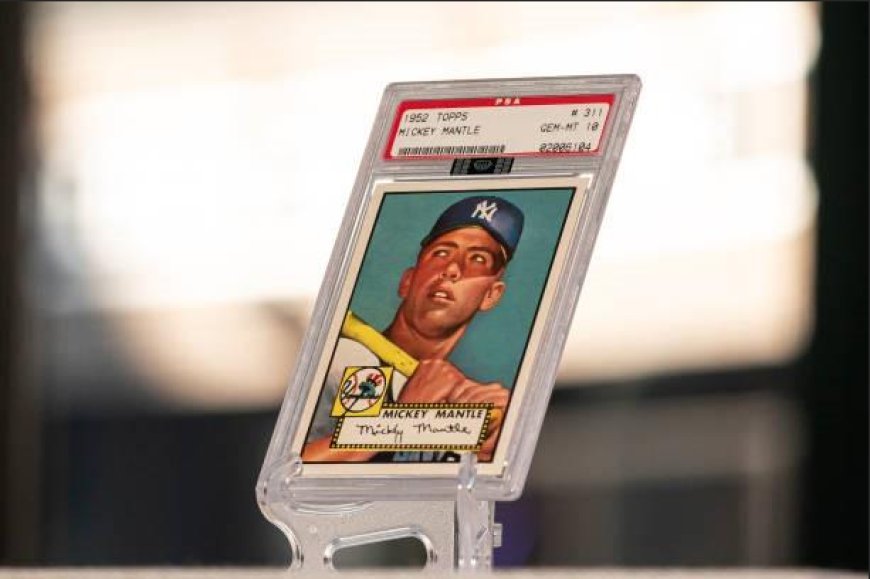
Preseason optimism doesn’t always translate into real success. Injuries, depth chart changes, or slow starts can drag values down quickly. Early buyers need patience and realistic expectations. For collectors who enjoy long-term holds, early purchases of raw cards that can later become PSA cards may offer solid value if the player develops as expected.
During the Season
This is the most exciting and most dangerous time to buy. Once the season begins, prices move fast. A few highlight plays, a breakout game, or national media coverage can send rookie prices soaring overnight.
This is when demand spikes hardest. Social media clips, fantasy football chatter, and weekly box scores all feed into buying pressure.
Why the Hype Phase Is So Tempting
-
Clear proof of performance replaces speculation.
-
Market liquidity is high, making cards easy to sell.
-
Star rookies gain household-name recognition quickly.
Why Prices Can Be Unforgiving
During peak hype, prices often reflect best-case scenarios rather than realistic careers. Cards bought at this stage may already be near their short-term ceiling. Even great players can see values dip if performance normalizes or expectations cool.
This phase is best for sellers or for collectors targeting specific moments rather than long holds. Buying during hype requires discipline and a clear exit strategy.
Mid-Season Corrections
Many experience mid-season slumps, minor injuries, or reduced media attention. When that happens, prices often pull back quietly. This is where experienced collectors start paying closer attention. The hype crowd moves on, but the player’s long-term potential hasn’t disappeared.
Why Mid-Season Can Be a Smart Buy
-
Prices settle closer to the realistic value.
-
Emotional buying drops off.
-
Long-term talent becomes easier to evaluate.
This is often a good time to target higher-quality rookie cards, especially numbered or short-print versions that were overpriced earlier in the year.
After the Season
Once the season ends, emotions cool and the market becomes more rational. Rookie cards' performance is no longer theoretical; it’s documented. Awards, playoff appearances, and statistical milestones all provide context. For many collectors, this is the safest buying window.
Benefits of Post-Season Buying
-
Reduced hype pricing.
-
Clear performance track record.
-
Better evaluation of role and future outlook.
This is also when grading submissions return and more professionally graded cards enter the market. Buyers looking for long-term stability often focus on slabbed rookies during this phase, especially from respected grading companies.
Offseason Lulls
The offseason can feel slow, but it’s one of the most strategic times to buy. Attention shifts to new draft classes, pushing last year’s rookies out of the spotlight. Prices often soften unless a player is involved in major news.
Why the Offseason Matters
-
Less competition from impulse buyers.
-
More negotiating room with sellers.
-
Opportunity to stock up before year two growth.
Savvy collectors often build positions here, especially in players expected to take a second-year leap.
How Card Type Affects Timing
Not all cards behave the same way across the rookie timeline.
-
Raw cards fluctuate more with hype and emotion.
-
Graded cards tend to stabilize faster after peak excitement.
-
Base cards peak early, while rare parallels may peak later.
Understanding how scarcity and condition affect pricing helps determine the right buying window for each card type.
Final Thoughts
Rookie card values rise and fall in predictable cycles, shaped by hype, performance, and attention. Understanding the rookie card timeline helps avoid emotional buying and supports smarter decisions across the season.
Informed timing separates casual collectors from confident ones. In the long run, patience and perspective often outperform impulse and hype.
FAQs
Do rookie card values change based on team market size?
Yes. Players on high-visibility teams often receive more media coverage, which can inflate demand and prices.
Is it better to buy singles or sealed products for rookies?
Buying singles offers more control over cost and player selection. Sealed products carry excitement but rely on luck.
How long should rookie cards be held before selling?
Holding periods depend on goals. Short-term sellers target hype spikes, while long-term collectors often wait multiple seasons.