Automatic Knife Laws by State in 2026: What Is Legal to Own and Carry
Understand 2026 knife laws by state. Find out what knives are legal to own and carry, including rules on automatic knives, blade length, and restrictions.
 Terrain365
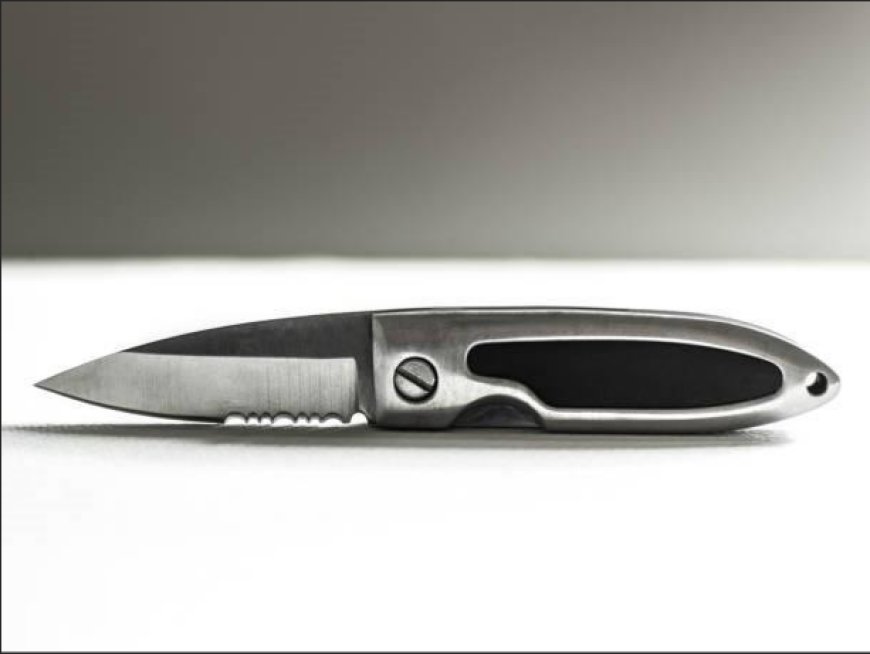
If you carry or collect knives, knowing your local knife laws is a must, especially when it comes to automatic knives. These laws vary widely by state, and what’s legal in one place can get you into serious trouble in another. Whether you carry for self-defense, outdoor use, or as part of your job, staying informed is key.
In this guide, we’ll walk you through what’s legal to own and carry in 2026 without the confusing legal jargon. So, take a look!
Key Takeaways
-
Automatic knives are legal to own and carry in many states, but some still ban or restrict them.
-
Blade length limits are common. Many states only allow blades under 2–4 inches for carry.
-
Open carry is legal in more places than concealed carry, but laws still vary by state.
-
Some states allow ownership but restrict public carry, especially in cities.
-
Federal buildings, schools, and airports do not allow knives, even if state laws permit them.
Knife Laws by State in 2026: What Is Legal to Own and Carry
Each U.S. state has its own set of laws for carrying knives. Some are very lenient, while others have strict rules about blade types, length, and carry methods. The biggest concern for many knife owners is whether automatic or “switchblade” knives are allowed.
An automatic knife opens with the push of a button, making it quick and easy to use. While these knives are legal in many states now, some still limit where and how you can carry them.
Here’s a quick look at how states generally treat automatic knives:
-
Legal to own and carry (open and concealed): States like Texas, Arizona, and Utah allow both ownership and carry without restrictions.
-
Legal to own but restricted carry: California, for example, allows ownership but limits blade length to under 2 inches for carry.
-
Illegal or heavily restricted: States like Hawaii and Delaware have strict bans or require specific permits.
Before carrying any automatic knife, always double-check the current law in your state and any place you’re traveling to.
Understanding Federal vs. State Knife Laws
The Federal Switchblade Act of 1958 bans interstate shipping and transport of automatic knives. However, it doesn’t apply to in-state purchases or possession unless you're on federal property like a courthouse or airport.
That’s why states set their own laws—and those are the ones you need to follow. For example:
-
Buying a knife online and having it shipped to California might not be legal if the blade is over 2 inches.
-
Carrying your knife into a national park may trigger federal laws, even if your state allows it.
If you're unsure, always check both state and federal rules before carrying.
Carrying for Work, Travel, or Outdoors
A lot of professionals use knives daily. This includes electricians, EMTs, warehouse workers, hunters, and campers. If that’s you, make sure your knife is legal and practical. Many people prefer a durable outdoor lightweight titanium knife that won’t rust or weigh down your gear.
For travel, it’s extra important to check the laws in each state you pass through. What’s legal to carry in your truck in Nevada might be illegal when you cross into California.
Tips to Stay Safe and Legal
-
Always check your state’s current laws. Knife regulations can change, and what was legal last year may not be anymore. Look up reliable sources before carrying any knife, especially an automatic knife.
-
Know the legal blade length in your area. Even if a knife type is allowed, some places limit how long the blade can be, usually under 2 to 4 inches, depending on the state or city.
-
Be aware of restricted zones. Carrying any knife in schools, federal buildings, airports, or certain public venues may be illegal, regardless of the knife type or size.
-
Don’t assume a legal purchase means legal carry. Just because you bought your knife online or in a store doesn’t mean you can carry it everywhere. Always check where it is allowed.
-
Review laws before traveling between states. If you're going on a road trip or flying, research each state’s knife laws beforehand. Some states are strict about automatic knives, even during travel.
Bottom Line
Understanding knife laws in 2026 isn’t just about knowing what’s cool to carry—it’s about staying safe and legal. Whether you own an automatic or prefer a basic outdoor knife, laws vary more than most people realize. Some states welcome them, others don’t.
By staying updated on rules where you live and travel, you can avoid fines or worse. Know your blade, know the law, and when in doubt, check before you carry.
Frequently Asked Questions
What’s the safest knife to carry legally in most states?
A small folding knife under 3 inches is legal in most areas. If you want to avoid problems, stick with a manual folder or a fixed-blade outdoor knife that follows local blade length rules.
Can I bring an automatic knife on a plane?
No. The TSA bans all automatic knives from carry-on luggage. In most cases, they are not allowed in checked baggage either. Always leave it at home when flying.
Does material affect knife legality?
Not directly, but it can draw attention. A flashy carbon fiber knife or titanium might get noticed more, especially in restricted areas. It’s the blade function, not the material, that the law focuses on.