Cat Water Filters Secret Behind Cleaner Water Happy Cats
Cat water filters play a much larger role than many pet owners realize. Clean water influences drinking behavior, supports hydration habits, and helps maintain better water quality throughout the day
 brookfountains
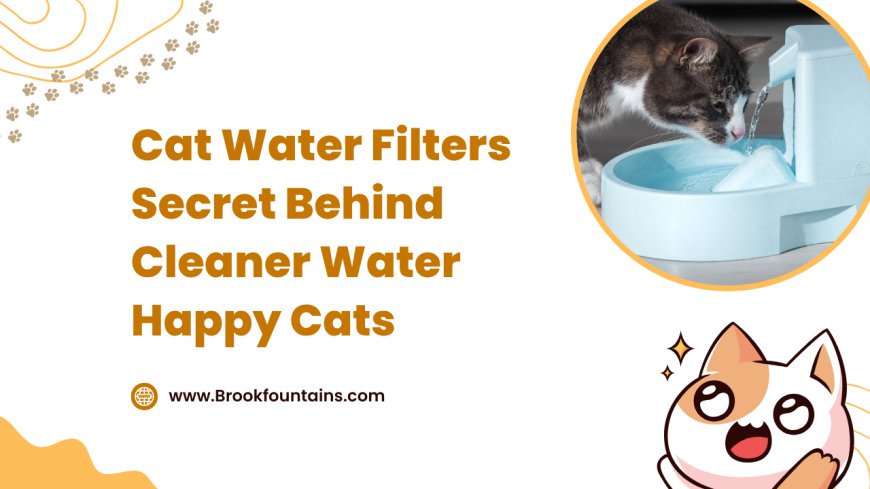
Cats can be extremely particular about almost everything. The expensive bed you bought? Ignored. The premium toy? Forgotten after two days. The cardboard box from the delivery package? Suddenly the greatest thing ever created. Water often falls into the same category because cats have surprisingly high standards when it comes to freshness and cleanliness. That is exactly why cat water filters have become an important part of modern pet hydration systems.
Many pet owners assume that changing bowl water once or twice a day is enough. While fresh water matters, the quality of that water matters too. Dust, fur, food particles, and small contaminants can collect faster than people realize. Over time, this affects water freshness and may influence how much your cat drinks.
A good filtration system helps maintain cleaner drinking conditions and supports healthier hydration habits. Since hydration affects several important functions inside a cat’s body, even small improvements can create long-term benefits.
Why Proper Hydration Matters for Cats
Water supports nearly every important function inside a cat's body.
According to veterinary organizations such as the American Veterinary Medical Association (AVMA) and Cornell Feline Health Center, healthy hydration helps support:
-
Kidney function
-
Urinary tract health
-
Digestion
-
Circulation
-
Body temperature regulation
Cats evolved from desert animals, which means they naturally developed a lower thirst drive. Their ancestors survived by receiving moisture from prey instead of drinking water frequently.
Modern indoor cats still carry those instincts today.
Dry food diets create another challenge because they contain far less moisture than wet food. If cats drink less water consistently, hydration concerns may gradually develop over time.
This makes creating healthy drinking habits extremely important.
Why Traditional Water Bowls Are Not Always Ideal
A standard water bowl looks simple enough.
The problem begins once water sits for long periods.
Still water gradually collects:
-
Fur
-
Dust
-
Food crumbs
-
Saliva
-
Small debris particles
Water can also lose freshness after several hours.
Cats notice these changes quickly because their senses of smell and taste are highly sensitive.
This explains why many cats:
-
Drink from sinks
-
Follow faucet water
-
Paw at water bowls
-
Ignore standing water completely
A kitty water fountain often works better because moving water feels fresher and more appealing.
How Cat Water Filters Actually Work
Many pet owners focus only on the fountain itself, but the filter quietly performs most of the important work.
Most filtration systems help:
-
Remove debris
-
Reduce odors
-
Improve taste
-
Trap fur particles
-
Support cleaner circulation
Filters continuously remove unwanted particles before they build up inside the fountain.
Without proper filtration, even moving water eventually becomes dirty.
Good filtration creates cleaner water conditions and helps maintain fountain performance.
Why Filtered Water Encourages Better Drinking Habits
Cats naturally trust moving water more than stagnant water.
In nature, running water generally remained safer and cleaner than standing water sources. Domestic cats continue responding to these instincts today.
This is one reason many pet owners now choose a cat filtered water fountain for their pets.
Combining movement and filtration creates several advantages:
Cleaner Taste
Fresh circulating water often tastes cleaner.
Better Smell
Cats strongly react to odor changes.
Increased Curiosity
Flowing water naturally attracts attention.
Better Hydration Habits
Many owners notice cats drinking more consistently after switching.
Small increases in water intake can support healthier long-term hydration.
Why Pet Water Fountains Are Becoming More Popular
Hydration systems have changed significantly over the years.
Many owners now choose pet water fountains cat systems because they provide several improvements over traditional bowls.
Benefits often include:
-
Continuous circulation
-
Cleaner water conditions
-
Reduced stagnant buildup
-
Better filtration support
-
Greater pet interest
Unlike standard bowls, fountains actively improve water freshness throughout the day.
Why Water Flow Matters
Water movement affects more than appearance.
A water drinking fountain for cats helps maintain better circulation throughout the system.
Continuous movement supports:
-
Oxygen exposure
-
Water freshness
-
Debris reduction
-
Filtration efficiency
Many cats simply become more interested in drinking when they see moving water.
And honestly, cats sometimes behave like tiny water critics.
Understanding the Importance of Fountain Pumps
Most owners forget about the small component quietly running inside the fountain every day.
The pump controls:
-
Water circulation
-
Flow strength
-
Filtration support
-
System performance
Without healthy circulation, fountain performance gradually declines.
Common warning signs include:
-
Weak water movement
-
Strange buzzing sounds
-
Interrupted flow
-
Reduced circulation
Regular water fountain pump replacement helps maintain strong circulation and improve overall fountain performance.
Ignoring pump maintenance can reduce water quality over time.
Common Mistakes Cat Owners Make
Even high-quality fountains require regular maintenance.
Waiting Too Long to Replace Filters
Dirty filters eventually lose effectiveness.
Ignoring Weekly Cleaning
Hair and bacteria can build up surprisingly fast.
Running Low Water Levels
Low water forces the pump to work harder.
Poor Placement Choices
Cats usually prefer drinking areas away from litter boxes and noisy spaces.
Forgetting Pump Maintenance
Pump problems slowly reduce circulation quality.
Small maintenance habits often create the biggest improvements.
How to Choose Better Cat Water Filters
Not every filter performs equally.
When choosing filters, consider:
Compatibility
Filters should fit your fountain model correctly.
Filtration Quality
Multi-layer filters often remove more debris.
Lifespan
Reliable filters should maintain effectiveness consistently.
Ease of Replacement
Simple maintenance encourages better long-term habits.
Choosing quality filtration helps improve both performance and water quality.
FAQs
How often should cat water filters be replaced?
Most manufacturers recommend replacing filters every 2–4 weeks depending on usage, water quality, and the number of pets.
Do cats really prefer filtered water fountains?
Many cats naturally prefer moving water because it feels fresher and cleaner.
Can filtered fountains help indoor cats?
Yes. Indoor cats rely entirely on owners for hydration sources, making clean water especially important.
How often should pet fountains be cleaned?
Weekly cleaning generally helps maintain better hygiene and system performance.
When should I replace a fountain pump?
If circulation becomes weak, noisy, or inconsistent, pump replacement may become necessary.
Final Thoughts
Cat water filters play a much larger role than many pet owners realize. Clean water influences drinking behavior, supports hydration habits, and helps maintain better water quality throughout the day.
Combined with proper maintenance, a quality fountain system can create cleaner and healthier drinking conditions for cats. Small improvements often create meaningful long-term benefits.
Cats may continue acting like tiny royalty with impossible standards, but cleaner and fresher water is one luxury they genuinely appreciate.