Second Marriage? Your Old Plan Won't Cut It
 robertsmithus
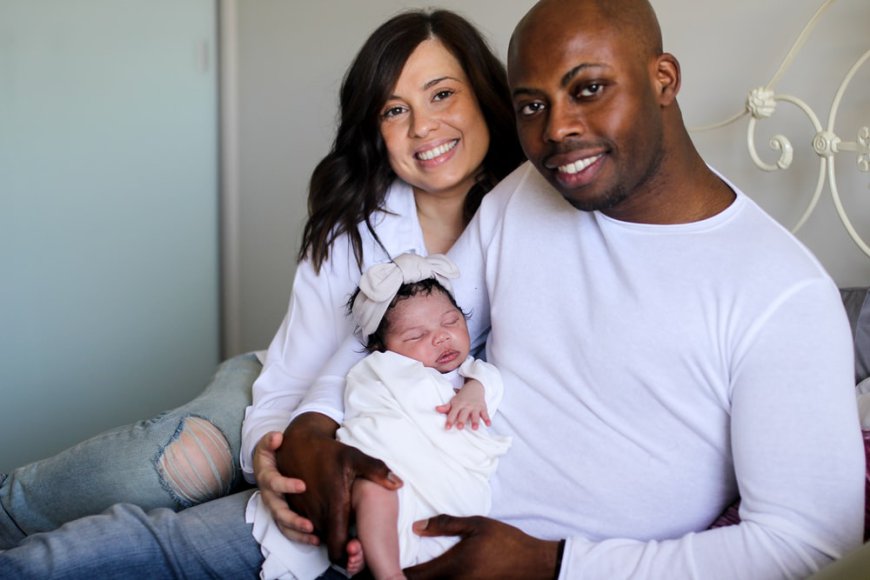
Second marriages bring a different set of estate planning problems that first marriages usually don't, and most people don't realize this until they're already deep into a new relationship with kids from a previous one involved somewhere in the mix. An estate attorney Cincinnati Ohio couples turn to in this situation sees the same issue over and over, someone remarries, maybe combines households, and their existing will or beneficiary designations still reflect a life that doesn't exist anymore. Old paperwork doesn't update itself just because your circumstances changed. Blended families specifically need a more thoughtful approach than a standard one-size-fits-all plan, because the stakes involve balancing a new spouse's needs against kids from a previous marriage, and getting that balance wrong causes real problems down the road.

Why Blended Families Complicate Standard Planning
A traditional estate plan usually assumes a simple structure, spouse inherits everything, then it passes to shared children eventually. Blended families break that assumption entirely. Maybe you've got kids from a first marriage, your spouse has kids from theirs, and you're trying to figure out how to protect everyone fairly without accidentally disinheriting someone or creating resentment between step-siblings who barely know each other. A poorly drafted plan can leave a surviving spouse with full control over everything, meaning your kids from a previous marriage might not see a dime if that spouse eventually decides to leave things to their own children instead. This isn't a hypothetical, it happens more than people expect, and it's exactly the kind of situation careful planning is meant to prevent from the start.
The Danger Of Assuming Your Spouse Will Do Right By Everyone
People often assume their new spouse will naturally take care of their kids from a previous marriage if something happens, and sometimes that assumption holds up fine. But sometimes it doesn't, and there's no way to guarantee it without something legally binding in place. Without proper planning, a surviving spouse technically has full control over jointly held assets, and while most people have good intentions, circumstances change, relationships shift, priorities evolve over years, especially if that spouse remarries again down the road themselves. A well-structured plan removes the guesswork entirely, spelling out exactly what goes where instead of relying on trust alone, which, however sincere, isn't legally enforceable the way a properly drafted document is.
Life Insurance And Beneficiary Forms Nobody Remembers To Update
Here's something that trips people up constantly in blended family situations specifically. Beneficiary designations on life insurance policies, retirement accounts, these override whatever's written in a will, they're a completely separate legal mechanism. Someone remarries, forgets to update an old life insurance policy, and years later that policy still pays out to an ex-spouse instead of the current spouse or kids, regardless of what a more recent will says. This mistake happens far more often than people assume, mostly because these forms feel like a small administrative detail buried somewhere in old paperwork, not something people think to revisit after a major life change like remarriage. Reviewing every beneficiary designation across all accounts becomes especially critical once a family structure changes this significantly.
How A Trust Solves Problems A Will Can't Touch Here
This is exactly where a trust attorney Cincinnati families in blended situations rely on becomes genuinely essential, not just helpful but often necessary given how complicated these situations can get. A specific type of trust, sometimes called a QTIP trust, lets you provide for a surviving spouse during their lifetime while still guaranteeing that whatever remains eventually passes to your own children from a previous marriage, rather than the spouse's own kids or a future spouse down the road. This structure balances both obligations simultaneously, taking care of the person you're currently married to while still protecting your original family's inheritance. It's a more sophisticated tool than a basic will can offer, and it requires real expertise to draft correctly given how many moving pieces are typically involved in these arrangements.
Naming Guardians Gets More Complicated Too
If there are minor children involved from a current or previous marriage, guardianship decisions become significantly more layered in a blended family situation. A biological parent might assume their new spouse would naturally step in as guardian if something happened, but that's not automatic, and courts don't always see it that way either, especially if there's a surviving biological parent from a previous relationship who has their own legal claim to custody. These conversations require real honesty about what everyone actually wants, sometimes uncomfortable honesty, rather than just assuming everyone's on the same page without ever explicitly discussing it. Working through this with an attorney forces the conversation to happen properly instead of leaving it to chance or unspoken assumptions that might not hold up legally when it actually matters.
Prenups And Estate Plans Need To Work Together
For couples who signed a prenuptial agreement before remarrying, that document and the estate plan need to align with each other, not contradict one another in ways that create legal confusion later. Sometimes a prenup addresses certain assets specifically, while the estate plan handles everything else, and if these two documents aren't coordinated properly, conflicts can arise that end up in litigation after someone's already passed away, which is obviously the worst possible time for that kind of dispute to surface. An attorney handling estate planning for a blended family should review any existing prenup carefully, making sure the trust and will actually support what was already agreed to rather than accidentally undermining it through inconsistent language somewhere in the newer documents.
What A Real Consultation Should Cover For Blended Families
Coming into a consultation as part of a blended family, come prepared to discuss the full picture honestly, not just the basics. Ask specifically how they'd structure a plan that protects a current spouse while still honoring commitments to kids from a previous marriage. Ask about trust options specifically designed for this situation, since a standard revocable trust template might not adequately address the balancing act your family actually needs. Bring documentation of any prenup, existing beneficiary designations, and be ready to talk through family dynamics honestly, including any tension between step-siblings or concerns about fairness that might need careful legal language to address properly. A good attorney treats this complexity seriously instead of trying to force your situation into a generic template that doesn't actually fit.
Conclusion
Blended families need estate planning that reflects their actual structure, not a simplified version borrowed from a standard first-marriage template that doesn't account for kids from multiple relationships or the balancing act between a current spouse and children from before. Whether you're newly remarried or you've been putting off updating an old plan that no longer reflects your life, taking action protects everyone you're actually trying to provide for instead of leaving things to chance or outdated paperwork. A properly structured trust often becomes the centerpiece of solving these problems, offering flexibility a basic will simply can't provide when multiple family branches need consideration simultaneously. Find someone who takes the complexity of your situation seriously, asks the right questions about your specific family, and helps build a plan that actually holds up the way you intend it to, for everyone involved, not just the people easiest to plan around.