Choosing the Right Partner for Salesforce for Medical Devices
Implementing Salesforce for Medical Devices is a big decision, and the outcome depends heavily on who's running the implementation.
 AnnaSmith123
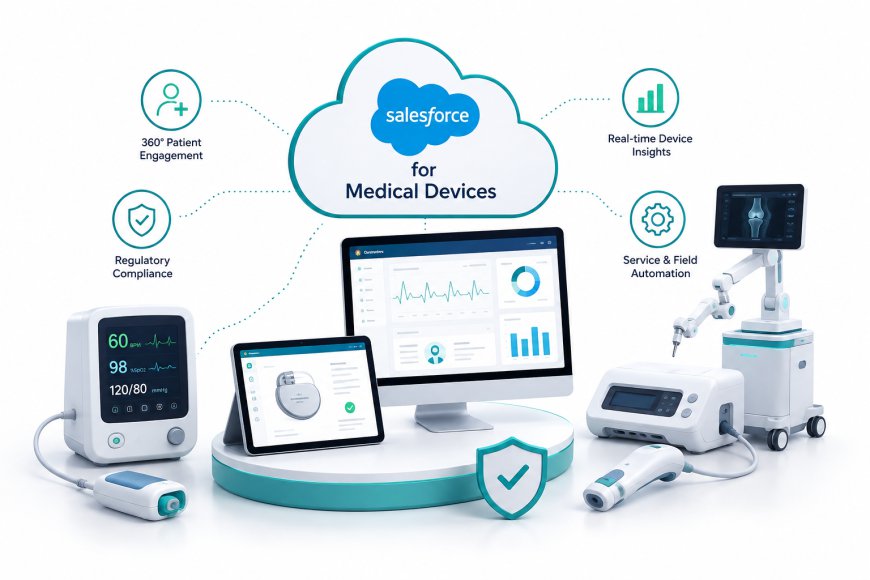
Implementing Salesforce for Medical Devices is a big decision, and the outcome depends heavily on who's running the implementation. A rushed or overly generic rollout leaves sales, clinical, and marketing teams working around the system instead of with it. That's why the partner matters as much as the platform, and it's worth examining closely before signing anything. SP Tech has built its practice specifically around this challenge in the MedTech space.
Why Generic Salesforce Expertise Falls Short
Plenty of consultants can configure Salesforce. Far fewer understand what medical device companies actually deal with: long, multi-stakeholder sales cycles, distributor and provider network complexity, clinical trial data spread across platforms, and patient support programs that need to stay consistent across an entire product lifecycle. A partner without healthcare context will build something technically functional that still misses how the business runs.
That's the real difference between a generic Salesforce vendor and a specialized one. Salesforce for Medical Devices has to be configured around actual MedTech workflows, physician engagement tracking, R&D data visibility, marketing ROI, not adapted from a template built for retail or financial services.
What to Look For in a Partner
A few things separate good implementation partners from the rest. Industry experience matters first: has the partner actually worked with medical device or broader healthcare clients before? Integration capability matters too: can they connect Salesforce to ERP, EHR, and clinical systems through MuleSoft, or will data silos just show up again after go-live? And a structured process matters, assessment, configuration, integration, testing, training, and follow-up, rather than a rushed technical setup with no support afterward.
SP Tech checks each of these as a Salesforce Summit Partner with dedicated healthcare and MedTech experience. The team's process starts with understanding a client's existing workflows and data sources before touching configuration, so the resulting system reflects how the business actually operates instead of a standard template.
Support That Doesn't Stop at Go-Live
One thing companies often overlook is what happens after launch. Systems that don't get refined and adjusted over time tend to drift right back toward the inefficiencies they were meant to fix. SP Tech builds ongoing improvement into its engagement, refining automation, expanding analytics, and adjusting configuration as the business changes.
Making the Call
For MedTech companies evaluating Salesforce for Medical Devices, the platform is really only half the decision. The other half is finding a partner who knows the industry well enough to configure it correctly the first time. SP Tech's combination of Salesforce expertise and healthcare-specific experience makes it a solid option for medical device companies that want their CRM investment to actually deliver, not just look good in a demo.