Clean Label Ingredients Market Growth, Trends, and Strategic Outlook 2026-2033
 coherentmarket
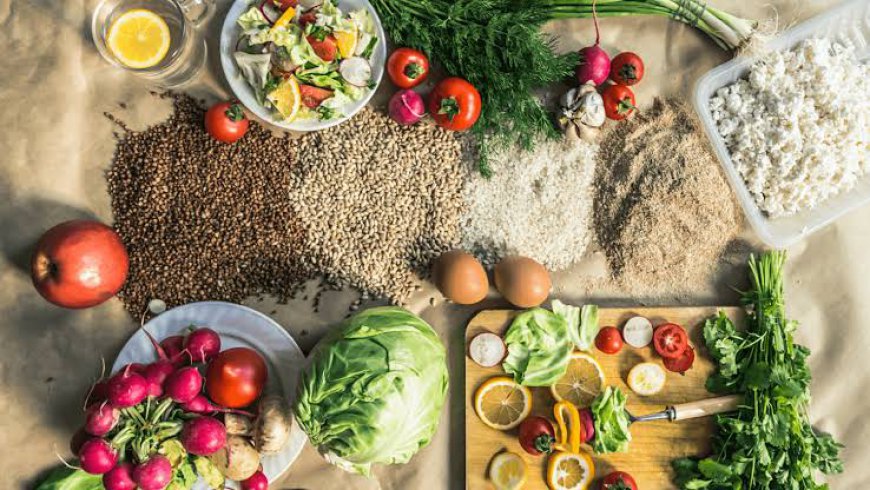
The clean label ingredients industry is witnessing robust expansion driven by evolving consumer preferences toward natural and transparent food products. As demand intensifies for healthier, minimally processed, and additive-free components, the market size and revenue are reflecting substantial progression fueled by innovation and shifting regulatory landscapes.
Market Size and Overview
The Global Clean Label Ingredients Market is estimated to be valued at USD 137.31 Bn in 2025 and is expected to reach USD 186.86 Bn by 2032, growing at a compound annual growth rate (CAGR) of 4.5% from 2025 to 2032.
This Clean Label Ingredients Market Growth is underpinned by stringent food safety regulations, growing consumer awareness regarding product origin, and rapid expansions in clean label product offerings. The industry size reflects strong traction across natural preservatives, flavor enhancers, and plant-based protein segments, strategically aligning with global health and wellness trends.
Core Market Segments
The Clean Label Ingredients market primarily divides into product type, application, and source segments. Within product types, natural preservatives dominate due to their efficacy in extending shelf life without synthetic additives, while plant-based protein ingredients are the fastest-growing sub-segment, supported by rising vegan and flexitarian diets. Application-wise, bakery and confectionery ingredients lead consumption, with dairy alternatives showing accelerated demand in 2025, driven by consumer inclination for lactose-free options. Regarding sources, botanical extracts maintain dominance as providers of essential oils and antioxidants, whereas microbial-derived ingredients represent the fastest growth segment, particularly in clean label fermentation products.
Market Drivers
A key market driver is regulatory amendments promoting clean label standards, especially in North America and Europe, where directives implemented in 2024 have encouraged transparency in ingredient disclosure. New guidelines mandating the replacement of artificial additives with natural alternatives have compelled manufacturers to pivot, resulting in a 12% surge in clean label product launches in 2025. This regulation-driven market growth illustrates an important market opportunity for ingredient companies to innovate and diversify portfolios consistent with clean label trends.
Segment Analysis: Product Type
Focusing on product type, natural preservatives hold a substantial revenue share, accounting for over 40% of the Clean Label Ingredients market revenue in 2025. Their dominance stems from increased use in extending the shelf life of fresh and processed foods without compromising clean label claims. Meanwhile, plant-based protein ingredients registered a 7.2% year-on-year revenue growth in 2025, catalyzed by consumer demand for sustainable and allergen-friendly protein sources. Key case studies highlight the successful integration of pea and rice proteins in dairy-alternative beverages, marking them as instrumental in furthering market share within their respective segments.
Consumer Behaviour Insights
Consumer behavior in the Clean Label Ingredients market has undergone notable shifts between 2024 and 2025. Firstly, there is heightened digital engagement, with 68% of consumers actively researching ingredient sourcing and manufacturing processes online. Secondly, pricing sensitivity has moderated, wherein 54% of shoppers reported a willingness to pay premium prices for verified clean label certifications, emphasizing authenticity over cost-saving. Additionally, sustainability preferences are paramount; a 2025 survey revealed that over 62% of buyers prefer products with ethically sourced, biodegradable packaging, intertwining clean label expectations with environmental consciousness.
Key Players
Key market players driving industry trends include Archer Daniels Midland, Cargill, DuPont De Nemours and Company, Kerry Group Plc, and Tate & Lyle Plc, among others. Throughout 2024 and 2025, these companies expanded production capabilities and launched novel clean label ingredients, notably plant-based fibers and naturally derived emulsifiers. For example, Kerry Group launched a new line of fermented clean label ingredients in 2025, garnering significant uptake in the dairy alternatives segment, whereas DuPont’s capacity expansion in microbial-derived enzymes strategically targeted the bakery application market, reflecting successful capitalization on evolving market dynamics.
Key Winning Strategies Adopted by Key Players
Innovative strategies distinguish leading market companies in the Clean Label Ingredients market. In 2025, Archer Daniels Midland implemented advanced bioprocessing techniques that enhanced yield and purity of natural preservatives, resulting in a 15% reduction in production costs and faster time-to-market. Similarly, Tate & Lyle adopted a customer-centric co-development approach enabling tailored clean label ingredient formulations, which increased client retention by over 20%. Another impactful strategy was Cargill’s integration of AI-driven ingredient sourcing analytics in 2024, which optimized supply chains to mitigate market restraints and tapped new market opportunities in emerging regions.
FAQs
1. Who are the dominant players in the Clean Label Ingredients market?
Dominant players include Archer Daniels Midland, Cargill, DuPont De Nemours and Company, Kerry Group Plc, and Tate & Lyle Plc, recognized for their product innovation and strategic capacity expansions in 2024 and 2025.
2. What will be the size of the Clean Label Ingredients market in the coming years?
The Clean Label Ingredients market size is projected to grow from USD 137.31 billion in 2026 to USD 186.86 billion by 2032, reflecting a CAGR of approximately 5.0%.
3. Which end-user industry has the largest growth opportunity?
The bakery and confectionery sector represents the largest growth opportunity, particularly driven by demand for clean label natural preservatives and plant-based protein ingredients.
4. How will market development trends evolve over the next five years?
The market will see increasing adoption of bioprocessing technologies, AI analytics for ingredient sourcing, and sustainability-driven product innovations in response to evolving consumer preferences and regulatory frameworks.
5. What is the nature of the competitive landscape and challenges in the Clean Label Ingredients market?
The competitive landscape is shaped by rapid innovation, strategic partnerships, and regulatory compliance. Key challenges include supply chain optimization and balancing cost-effectiveness with clean label authenticity.
6. What go-to-market strategies are commonly adopted in the Clean Label Ingredients market?
Common strategies include capacity expansions, co-development customer partnerships, advanced bioprocessing, and AI-driven analytics for efficient ingredient sourcing, which collectively enhance product portfolio diversification and market penetration.
‣ Get more insights on : Clean Label Ingredients Market
‣ Get this Report in Japanese Language: クリーンラベル原料市場
‣ Get this Report in Korean Language: 클린라벨성분시장
‣ Read More Related Articles - Emergence of Dark Kitchens in UAE
Author Bio:
Sakshi Suryawanshi is a Research Consultant with 6 years of extensive experience in market research and consulting. She is proficient in market estimation, competitive analysis, and patent analysis. Sakshi excels in identifying market trends and evaluating competitive landscapes to provide actionable insights that drive strategic decision-making. Her expertise helps businesses navigate complex market dynamics and achieve their objectives effectively.