Facial Rejuvenation Treatments: Which Option Is Right for Your Skin?
Explore facial rejuvenation treatments for wrinkles, pigmentation, skin texture, and aging. Discover benefits and find the right option for your skin.
 newpost21
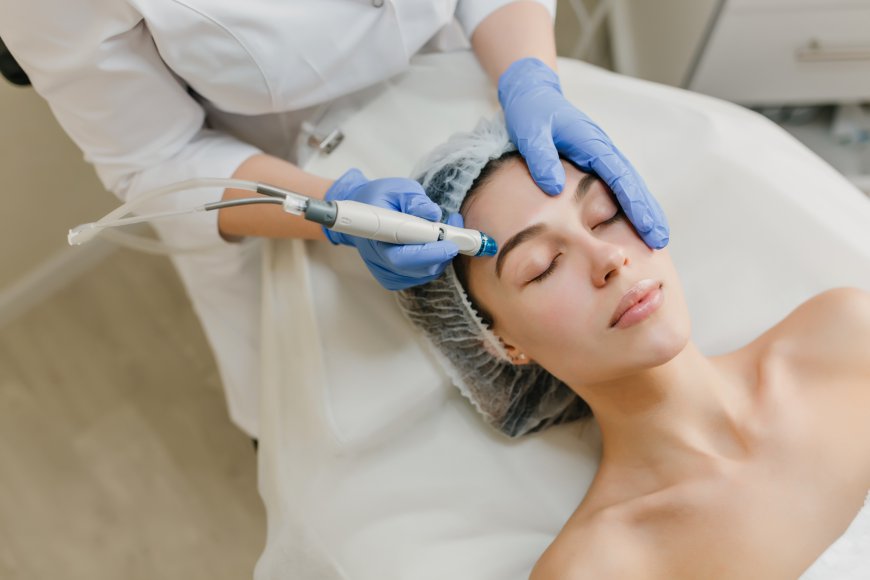
Your skin tells a story. Over the years, sun exposure, stress, lifestyle habits, hormonal changes, and natural aging can gradually affect the way your face looks and feels. Fine lines may become more noticeable, skin can lose some of its firmness, and uneven pigmentation or dullness may develop.
Fortunately, you do not have to rely on a single approach to improve these concerns. Modern aesthetic care offers a variety of treatments designed to refresh the skin, improve texture, enhance firmness, and reduce visible signs of aging. This is where Facial rejuvenation can play an important role.
However, choosing a treatment can feel overwhelming. Should you consider a chemical peel, microneedling, laser treatment, skin tightening, or another option? The right answer depends on your skin concerns, goals, skin type, medical history, and desired recovery time.
Understanding the different approaches can help you have a more informed discussion with a qualified professional.
What Is Facial Rejuvenation?
Facial rejuvenation is a broad term used to describe treatments and techniques that improve the appearance of the face and address visible signs of aging or skin damage.
Depending on the procedure, facial rejuvenation may focus on:
-
Fine lines and wrinkles
-
Uneven skin tone
-
Sun damage
-
Pigmentation
-
Rough skin texture
-
Acne scars
-
Enlarged pores
-
Skin laxity
-
Dull complexion
-
Loss of facial volume
Some treatments work primarily on the skin's surface, while others target deeper layers to stimulate collagen production or improve firmness.
The goal is generally to create healthier-looking, refreshed skin while maintaining natural-looking facial features.
Why Does the Skin Need Rejuvenation?
Aging is a natural process. As you get older, your skin undergoes several changes.
Collagen production gradually decreases, which can contribute to reduced firmness and the development of fine lines. Elastin also changes, affecting the skin's ability to maintain its elasticity.
The skin may also become drier and thinner. Changes in facial fat distribution can affect facial contours, while years of sun exposure can contribute to pigmentation and texture changes.
External factors may accelerate visible aging. These can include:
-
Excessive ultraviolet exposure
-
Smoking
-
Environmental pollution
-
Poor sleep
-
Chronic stress
-
Dehydration
-
Unbalanced nutrition
-
Inconsistent skincare
Because facial aging involves multiple factors, different treatments may be used to address different concerns.
How Do You Choose the Right Facial Rejuvenation Treatment?
There is no universal treatment that is best for everyone. The appropriate option depends on what you want to improve.
A person primarily concerned with fine lines may need a different treatment from someone dealing with pigmentation or significant skin laxity.
Important factors include:
Your Main Skin Concern
Identify the problem you want to address first. Are you concerned about wrinkles, dullness, pigmentation, scars, texture, or loose skin?
Your Skin Type
Skin can be oily, dry, combination, sensitive, or normal. Certain treatments may be more suitable for specific skin types.
Your Desired Results
Some people want subtle improvements, while others may be looking for more noticeable changes.
Your Recovery Time
Some treatments involve little downtime, while others require several days or longer for the skin to recover.
Your Medical History
Certain medical conditions, medications, skin conditions, and previous procedures may affect treatment suitability.
A professional consultation can help determine which approach is appropriate.
Popular Facial Rejuvenation Treatments
1. Chemical Peels
Chemical peels use carefully selected solutions to exfoliate the skin and encourage renewal.
Depending on the type and strength of the peel, treatment may improve:
-
Dull skin
-
Uneven pigmentation
-
Fine lines
-
Rough texture
-
Certain acne-related concerns
Light peels may involve minimal downtime, while deeper treatments can require more recovery.
The correct peel should be selected according to skin type, sensitivity, and treatment goals.
2. Microneedling
Microneedling uses tiny needles to create controlled micro-injuries in the skin. These small injuries activate the body's natural repair response.
The process can encourage collagen and elastin production, potentially improving skin texture and firmness over time.
Microneedling may be considered for:
-
Fine lines
-
Acne scars
-
Uneven texture
-
Enlarged pores
-
Mild skin laxity
Results usually develop gradually because collagen remodeling takes time.
3. Laser Skin Resurfacing
Laser resurfacing uses focused energy to treat specific skin concerns.
Depending on the type of laser and treatment settings, it may help improve:
-
Wrinkles
-
Sun damage
-
Pigmentation
-
Uneven texture
-
Certain scars
-
Skin tone
Some laser treatments are more intensive and require longer recovery periods, while others are designed for more limited downtime.
Because different lasers have different purposes, professional evaluation is important.
4. Radiofrequency Skin Tightening
Radiofrequency treatments use controlled energy to heat targeted tissue. This process may encourage collagen remodeling and improve the appearance of mild skin laxity.
Radiofrequency treatments may appeal to people who want to improve skin firmness without undergoing a surgical procedure.
Results often develop gradually as the skin responds to treatment.
5. Ultrasound-Based Skin Tightening
Some ultrasound-based procedures deliver energy to deeper tissue layers. The goal is to stimulate collagen production and improve skin firmness.
These treatments may be considered for areas where mild to moderate laxity is present.
Results vary according to age, skin condition, degree of laxity, and individual response.
6. Injectable Treatments
Injectable treatments are another component of Facial rejuvenation.
Different injectable products can serve different purposes. Some may temporarily reduce the appearance of dynamic wrinkles, while others can restore or enhance volume in specific facial areas.
Facial anatomy is complex, so injectable treatments should only be performed by appropriately qualified professionals.
Natural-looking results depend on careful assessment, appropriate product selection, and conservative treatment planning.
7. Dermal Fillers
Dermal fillers can be used to restore volume in areas affected by age-related changes.
Depending on the product and treatment area, fillers may be used around the cheeks, lips, chin, jawline, or other facial areas.
The purpose is not necessarily to make the face look fuller. Properly selected treatment may instead help restore balance and proportions.
8. Topical Skincare
Not all rejuvenation requires a professional procedure. A consistent skincare routine can support long-term skin health.
Common skincare ingredients used in anti-aging routines include:
-
Retinoids
-
Vitamin C
-
Niacinamide
-
Hyaluronic acid
-
Peptides
-
Ceramides
-
Alpha hydroxy acids
The ideal products depend on skin type and individual concerns.
Using too many active ingredients can cause irritation, so a simple and consistent routine may be more beneficial than an overly complicated one.
Which Treatment Is Best for Wrinkles?
Wrinkles can be caused by a combination of collagen loss, repeated facial movements, sun exposure, and natural aging.
Treatment options may include topical retinoids, resurfacing procedures, microneedling, laser treatments, injectable therapies, and skin-tightening procedures.
The most suitable approach depends on whether wrinkles are superficial, deeper, static, or primarily caused by facial movement.
Which Treatment Is Best for Uneven Skin Tone?
Uneven skin tone may result from sun exposure, pigmentation, inflammation, hormonal changes, or previous skin injury.
Potential options include:
-
Sunscreen
-
Vitamin C
-
Niacinamide
-
Chemical peels
-
Selected laser treatments
-
Other professionally recommended pigmentation treatments
Sun protection remains essential because continued UV exposure can worsen pigmentation and undermine treatment results.
Which Treatment Is Best for Acne Scars?
Acne scars can vary considerably. Some are shallow and uneven, while others are deeper or associated with changes in pigmentation.
Microneedling, laser resurfacing, chemical peels, and other procedures may be considered depending on the type of scar.
A professional assessment is important because different scar types respond differently to treatment.
Which Treatment Is Best for Loose Skin?
Mild skin laxity may sometimes be addressed with collagen-stimulating or energy-based treatments.
Radiofrequency and ultrasound-based procedures are examples of approaches that may improve the appearance of mild laxity.
When skin laxity is more significant, non-surgical treatments may provide limited improvement, and other options may need to be discussed.
Can Treatments Be Combined?
In some situations, combining treatments can address several concerns at once.
For example, one treatment may focus on skin texture while another addresses wrinkles, pigmentation, or facial volume.
However, combining multiple procedures requires careful planning. Performing too many treatments too close together can increase irritation or recovery time.
A personalized treatment schedule can help determine which procedures can safely be combined and when.
What Happens During a Facial Rejuvenation Consultation?
A consultation typically begins with an assessment of your skin and discussion of your goals.
A professional may evaluate:
-
Skin texture
-
Skin tone
-
Pigmentation
-
Wrinkles
-
Skin laxity
-
Facial volume
-
Previous treatments
-
Skincare routine
-
Medical history
-
Medications
-
Allergies
-
Expected downtime
You should also have the opportunity to discuss your concerns and expectations.
A good treatment plan should explain the potential benefits, limitations, recovery requirements, and possible risks.
What Should You Expect After Treatment?
Recovery depends on the procedure.
Some treatments may cause temporary redness or mild swelling, while more intensive procedures can result in peeling, tenderness, or prolonged redness.
Aftercare may include:
-
Avoiding direct sun exposure
-
Applying sunscreen
-
Using gentle skincare products
-
Keeping the skin moisturized
-
Avoiding harsh exfoliation
-
Following treatment-specific instructions
Following professional aftercare recommendations can help support recovery.
How Long Do Results Last?
Results vary depending on the procedure and individual factors.
Some treatments provide temporary improvements, while others stimulate longer-term changes in collagen or skin quality.
Lifestyle factors can also influence longevity. Excessive sun exposure, smoking, poor sleep, and inconsistent skincare may contribute to premature skin aging.
Maintenance treatments may sometimes be recommended to preserve results.
Benefits of Facial Rejuvenation
The benefits of Facial rejuvenation vary depending on the treatment, but may include:
-
Smoother skin
-
Improved texture
-
Reduced appearance of fine lines
-
More even skin tone
-
Improved skin firmness
-
Reduced appearance of pigmentation
-
Greater skin radiance
-
Improved facial contours
-
Reduced appearance of certain scars
-
Refreshed overall appearance
The goal should be realistic improvement rather than trying to completely eliminate every sign of aging.
Is Facial Rejuvenation Safe?
Many facial rejuvenation treatments are considered safe when appropriately selected and performed by qualified professionals.
However, every treatment has potential risks. Depending on the procedure, these may include:
-
Redness
-
Swelling
-
Bruising
-
Irritation
-
Pigmentation changes
-
Infection
-
Scarring
-
Allergic reactions
Your medical history and skin condition should be considered before treatment.
Frequently Asked Questions About Facial Rejuvenation
1. What is the best facial rejuvenation treatment?
There is no single best treatment. The right option depends on your skin concerns, skin type, age, medical history, desired results, and tolerance for downtime.
2. Can facial rejuvenation remove wrinkles?
Certain treatments can reduce the appearance of wrinkles or make them less noticeable. Results depend on the type and depth of the wrinkles and the treatment selected.
3. Can facial rejuvenation improve skin texture?
Yes. Treatments such as microneedling, chemical peels, and laser resurfacing may improve uneven texture and create smoother-looking skin.
4. How long does a facial rejuvenation treatment take?
Treatment times vary. Some procedures can be completed relatively quickly, while more comprehensive treatments may take longer.
5. Does facial rejuvenation require downtime?
Some procedures require little or no downtime, while others may cause redness, swelling, peeling, or sensitivity for several days or longer.
6. Can facial rejuvenation help with pigmentation?
Yes. Certain skincare products and professional procedures may improve the appearance of pigmentation. Consistent sun protection is also important.
7. Is microneedling a facial rejuvenation treatment?
Yes. Microneedling is commonly used as a skin rejuvenation treatment because it can stimulate the body's natural collagen-producing response.
8. Are facial rejuvenation results permanent?
Most results are not permanent because natural aging continues. Maintenance treatments and healthy skincare habits may help prolong improvements.
9. Can I combine different facial rejuvenation treatments?
Some treatments can be combined, but this should be determined by a qualified professional. Timing and treatment compatibility are important.
10. How do I choose the right facial rejuvenation treatment?
Start by identifying your main concerns and discussing them with a qualified professional. A skin assessment can help determine which treatments may be appropriate.
Conclusion
Choosing the right Facial rejuvenation treatment starts with understanding your individual skin concerns. Wrinkles, pigmentation, acne scars, dullness, uneven texture, and skin laxity can have different causes and may respond to different approaches.
Chemical peels, microneedling, laser resurfacing, radiofrequency, ultrasound-based treatments, injectable procedures, and professional skincare are among the options that may be considered. However, more treatments do not necessarily mean better results.
A personalized plan that considers your skin type, medical history, treatment goals, and recovery preferences can help you choose an appropriate approach. Combined with daily sun protection, a consistent skincare routine, healthy lifestyle habits, and realistic expectations, Facial rejuvenation can help support smoother, healthier-looking, and more refreshed skin.