Polypropylene Foams Market Size, Trends, and Business Growth Outlook 2026-2033
 coherentmarket
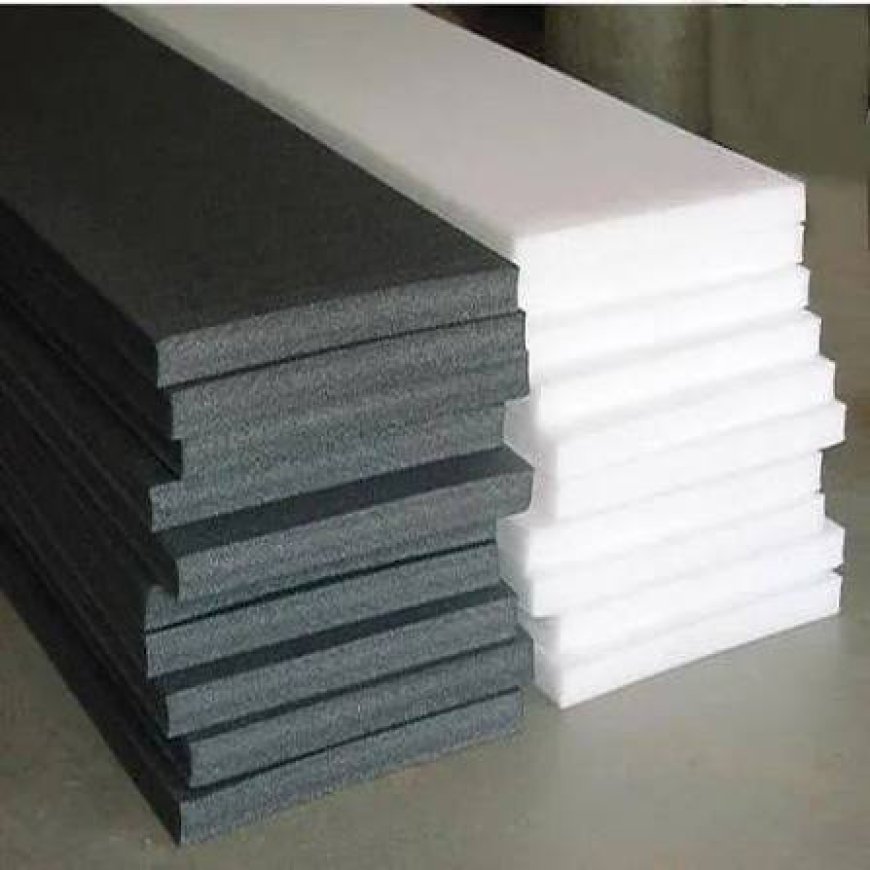
The polypropylene foams industry is witnessing significant transformation driven by advancements in polymer technology and increasing demand across automotive, packaging, and construction sectors. This shift aligns with evolving market dynamics, fostering opportunities amid challenges such as raw material volatility and sustainability pressures.
Market Size and Overview
The Global Polypropylene Foams Market is estimated to be valued at USD 2.34 Bn in 2025 and is expected to reach USD 3.64 Bn by 2032, growing at a compound annual growth rate (CAGR) of 6.5% from 2025 to 2032.
This Polypropylene Foams Market Growth is underpinned by expanding applications in lightweight automotive components and eco-friendly packaging solutions. The increasing emphasis on thermal insulation and impact resistance further fuels the market forecast, reflecting robust industry trends and solid market revenue projections.
Market Segments
The polypropylene foams market is segmented primarily by product type, application, and end-user industry.
- Product Type: Extruded foams, molded foams, and bead foams constitute core categories. Among these, extruded foams dominate owing to their superior mechanical properties and wide application scope, while molded foams represent the fastest-growing sub-segment driven by customized component manufacturing, as evident from 2024 automotive component launches.
- Application: Packaging, automotive, and building & construction are major application segments. Packaging leads currently due to increased demand for lightweight and recyclable materials, yet the automotive sub-segment experiences rapid growth supported by stringent emission regulations and weight reduction initiatives.
- End User Industry: Key end users include automotive, packaging, and electronics sectors. The electronics industry segment witnesses considerable growth propelled by demand for protective cushioning materials in 2025 supply chains and consumer electronics upgrades.
Market Drivers
One crucial market driver is the growing environmental regulations emphasizing eco-friendly and recyclable materials. In 2024, stringent policies across North America and Europe advocating sustainable packaging considerably escalated polypropylene foam adoption, as reflected in market insights. Additionally, innovations in foam extrusion processes enhancing energy efficiency have steered significant product-level developments contributing to market growth strategies and opportunities in 2025.
Segment Analysis
Focusing on the product type segment, extruded polypropylene foams accounted for the majority of market revenue in 2024 due to their versatile physical characteristics and cost-effectiveness. The molded foams sub-segment exhibited the highest revenue growth, with a CAGR surpassing 8% during the same year, driven by automotive OEMs’ preference for lightweight, impact-absorbent components. Notably, case studies from 2025 illustrate that key automotive companies integrating molded polypropylene foams improved vehicle fuel efficiency by up to 5%, illustrating this segment's strategic importance in the polypropylene foams market analysis.
Consumer Behaviour Insights
Recent behavioral shifts reflect increased preference for sustainability and customization. According to a 2025 feedback report, over 60% of packaging end users prioritized recyclable and lightweight materials, amplifying polypropylene foams demand. Furthermore, pricing sensitivity surged amidst volatile raw material costs in 2024, prompting buyers to seek cost-efficient yet high-performance foam solutions. Additionally, enhanced digital consumption habits have facilitated quicker procurement decisions via online platforms, as evidenced by a 35% rise in digital orders for polypropylene foam products during 2025.
Key Players
Key market players driving the polypropylene foams landscape include BASF SE, Kaneka Corporation, Hanwha Corporation, Mitsui Chemicals, Inc., and Borealis AG. In 2024 and 2025, several players ramped up capacity expansions and introduced high-performance foam variants catering to automotive and packaging sectors. For instance, BASF SE launched lightweight foams with enhanced thermal insulation properties in early 2025, resulting in improved market revenue and entry into new regional markets. Concurrently, Kaneka Corporation’s strategic partnerships expanded its manufacturing footprint, addressing rising demand in Asia-Pacific markets.
Key Winning Strategies Adopted by Key Players
A distinctive strategy is BASF SE’s focus on developing bio-based polypropylene foams in 2025, which led to a 12% surge in market revenue within sustainable product categories. Another impactful approach by Mitsui Chemicals, Inc. was the integration of AI-driven process optimization for foam extrusion in 2024, reducing production costs by 15% and accelerating time-to-market—a best practice that influenced market growth strategies significantly. Hanwha Corporation’s regional diversification into emerging Southeast Asian markets at the start of 2025 also demonstrated compelling business growth by capturing untapped market opportunities early.
FAQs
1. Who are the dominant players in the polypropylene foams market?
Dominant market players include BASF SE, Kaneka Corporation, Hanwha Corporation, Mitsui Chemicals, Inc., and Borealis AG, all of whom have made strategic capacity enhancements and product innovations in 2024 and 2025.
2. What will be the size of the polypropylene foams market in the coming years?
The polypropylene foams market size is expected to grow from USD 2.34 billion in 2026 to USD 3.64 billion by 2032, with a CAGR of 7.0%.
3. Which end-user industry has the largest growth opportunity?
The automotive sector offers the largest growth opportunity, driven by the demand for lightweight, energy-efficient components and regulatory pressures promoting sustainable materials.
4. How will market development trends evolve over the next five years?
Market trends suggest increasing adoption of eco-friendly and bio-based foams, digital procurement practices, and enhanced customization capabilities, supported by ongoing innovation and sustainability regulations.
5. What is the nature of the competitive landscape and challenges in the polypropylene foams market?
The competitive landscape is dynamic, with key players focusing on innovation, regional expansion, and sustainable products. Challenges include raw material price volatility and adherence to evolving environmental policies.
6. What go-to-market strategies are commonly adopted in the polypropylene foams market?
Leading strategies encompass AI-driven manufacturing optimization, regional diversification to emerging markets, and development of bio-based polypropylene foams, which have significantly supported market growth and resilience.
‣ Get more insights on : Polypropylene Foams Market
‣ Get this Report in Japanese Language: ポリプロピレンフォーム市場
‣ Get this Report in Korean Language: 폴리프로필렌폼시장
‣ Read More Related Articles - Luxury Upholstery Fabrics - Beyond Mere Aesthetics
Author Bio:
Yash Doshi is a Senior Management Consultant. He has 12+ years of experience in conducting research and handling consulting projects across verticals in APAC, EMEA, and the Americas. He brings strong acumen in helping chemical companies navigate complex challenges and identify growth opportunities. He has deep expertise across the chemicals value chain, including commodity, specialty and fine chemicals, plastics and polymers, and petrochemicals. Yash is a sought-after speaker at industry conferences and contributes to various publications on topics related commodity, specialty and fine chemicals, plastics and polymers, and petrochemicals.