Complete Guide to Buying and Maintaining Car Tyres in Dubai
Dubai’s fast highways, year-round sunshine, and extreme summer temperatures create unique driving conditions that directly affect vehicle tyres.
 johnkay1998123
Dubai’s fast highways, year-round sunshine, and extreme summer temperatures create unique driving conditions that directly affect vehicle tyres. From Sheikh Zayed Road to Al Khail Road and Emirates Road, motorists regularly drive at high speeds in heat that can exceed 45°C. These factors make tyre quality, maintenance, and timely replacement critical for road safety, fuel efficiency, and vehicle performance.
According to the UAE Ministry of Interior, tyre-related failures remain one of the leading mechanical causes of highway accidents, especially during peak summer months. Excessive heat can increase tyre pressure, accelerate tread wear, and raise the risk of blowouts. Understanding how to select, maintain, and replace tyres properly is therefore essential for drivers across Dubai and the wider UAE.
This comprehensive guide explains tyre types, pricing factors, regulations, climate considerations, maintenance practices, and professional services available in the emirate.
Why Tyres Matter in Dubai’s Climate
Dubai’s desert climate is harsh on rubber components. Heat buildup inside tyres can cause structural weakening, especially if tread depth is low or pressure levels are incorrect.
Key climate-related challenges include:
-
High surface temperatures on asphalt
-
Long-distance highway driving
-
Sand and debris accumulation
-
Sudden braking in heavy traffic
-
Occasional heavy rainfall during winter
The Roads and Transport Authority (RTA) sets strict safety standards for vehicle inspections. Tyres must have a minimum tread depth of 1.6 mm and must not exceed five years from the production date, although manufacturers often recommend replacement within three to four years in extreme climates.
Types of Car Tyres Available
Selecting the correct tyre depends on vehicle type, driving habits, and road conditions.
1. Summer Tyres
These are the most common in Dubai. Designed for high heat, they provide solid grip on dry and slightly wet roads. Their tread compounds resist heat softening, making them suitable for UAE weather.
2. All-Season Tyres
Though less common in the region, all-season models offer moderate performance across different conditions. However, they are generally not optimized for extreme heat compared to dedicated summer tyres.
3. Performance Tyres
Ideal for luxury sedans and sports cars, performance tyres deliver enhanced cornering stability and braking response. Brands like Michelin Pilot Sport, Pirelli P Zero, and Bridgestone Potenza are widely used.
4. SUV and 4x4 Tyres
Dubai’s popularity for desert driving increases demand for all-terrain and off-road tyres. These feature deeper tread patterns and reinforced sidewalls to withstand sand driving.
5. Run-Flat Tyres
Common in premium vehicles, run-flat tyres allow drivers to continue driving for a limited distance after a puncture. They offer added safety but typically cost more than conventional tyres.
Leading Tyre Brands in the UAE
Dubai’s competitive automotive market offers a wide selection of international tyre brands, including:
-
Michelin
-
Bridgestone
-
Goodyear
-
Continental
-
Dunlop
-
Pirelli
-
Yokohama
-
Hankook
-
Kumho
Each brand provides multiple categories ranging from economy to premium performance. Consumers should review manufacturer warranties, mileage ratings, and speed indexes before making a decision.
Understanding Tyre Markings and Specifications
Every tyre displays a code on its sidewall, such as 225/45R17 94W. This code represents:
-
Width (in millimeters)
-
Aspect ratio (sidewall height as percentage of width)
-
Construction type (R for radial)
-
Rim diameter (in inches)
-
Load index
-
Speed rating
Choosing incorrect specifications can affect braking performance, fuel economy, and insurance coverage. Vehicle manuals and manufacturer placards provide recommended tyre sizes.
Pricing Factors in Dubai
Tyre prices vary significantly based on brand, size, and vehicle type. In general:
-
Economy tyres range from AED 150 to AED 300 per tyre
-
Mid-range options cost between AED 300 to AED 600
-
Premium tyres often exceed AED 700 per tyre
SUV and high-performance vehicle tyres may cost even more. Additional costs may include wheel alignment, balancing, nitrogen filling, and valve replacement.
Seasonal promotions are common during Ramadan, UAE National Day, and summer campaigns. Competitive pricing across retailers allows consumers to compare options before purchase.
Professional Installation and Services
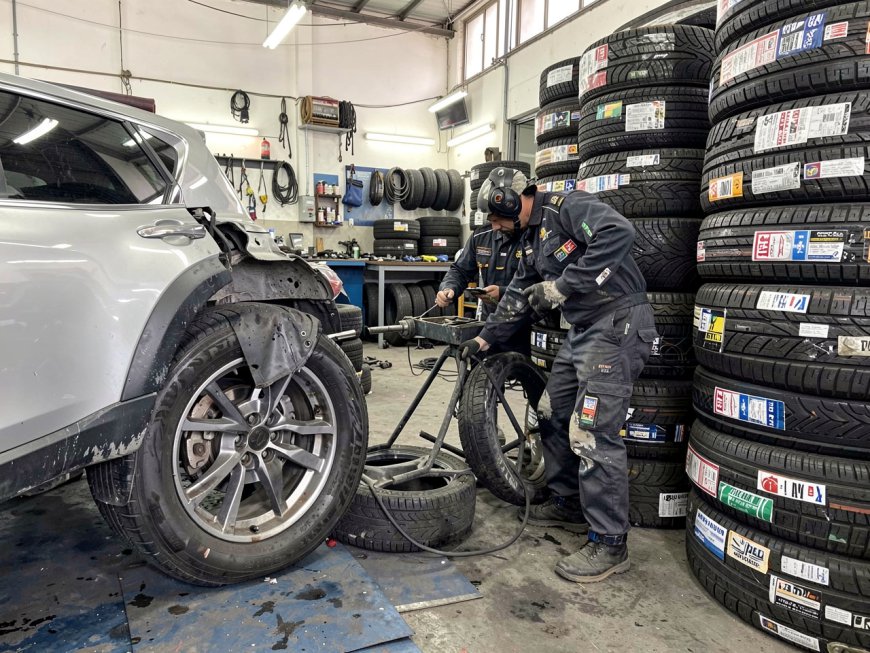
Beyond simply purchasing tyres, proper installation and maintenance are critical. Services typically offered include:
Wheel Alignment
Correct alignment ensures even tread wear and optimal steering control. Misalignment can reduce tyre lifespan by up to 25%.
Wheel Balancing
Balancing prevents vibration at high speeds and protects suspension components.
Tyre Rotation
Rotating tyres every 8,000 to 10,000 kilometers promotes uniform wear.
Nitrogen Inflation
Nitrogen is often used instead of regular compressed air to improve pressure stability in high heat.
Puncture Repair
Minor punctures can be repaired internally if sidewall damage is not present.
Drivers searching for a reliable tyre shop dubai residents trust should ensure the provider offers certified technicians, modern equipment, and transparent pricing.
UAE Tyre Regulations
The Emirates Authority for Standardization and Metrology (ESMA) regulates tyre imports and quality standards. Tyres sold in the UAE must meet GCC specifications and display appropriate approval markings.
Key regulations include:
-
Maximum five-year age limit from manufacturing date
-
Mandatory minimum tread depth
-
Prohibition on retreaded passenger vehicle tyres
-
Clear labeling of load and speed ratings
Non-compliant tyres can result in vehicle inspection failure and traffic fines.
Importance of Regular Inspections
Routine checks can significantly reduce the risk of tyre failure.
Drivers should inspect:
-
Tread depth
-
Sidewall cracks or bulges
-
Uneven wear patterns
-
Air pressure levels
-
Embedded nails or debris
The recommended tyre pressure for most passenger vehicles ranges between 30–35 PSI, but drivers should follow the manufacturer’s specific guidelines.
The AAA Foundation for Traffic Safety reports that underinflated tyres increase fuel consumption and heat buildup, raising the likelihood of blowouts. In Dubai’s climate, consistent pressure monitoring is especially important.
Fuel Efficiency and Tyres
Properly maintained tyres directly impact fuel economy. Low rolling resistance tyres can improve fuel efficiency by up to 3%, according to automotive industry studies.
Incorrect tyre pressure increases rolling resistance, forcing engines to work harder. Over time, this can lead to higher fuel expenses—an important consideration given fluctuating petrol prices in the UAE.
Road Safety Statistics in the UAE
The UAE government has intensified road safety campaigns over the past decade. While significant progress has been made, mechanical failures, including worn tyres, remain a contributing factor in accidents.
Summer safety campaigns often emphasize:
-
Checking tyre expiration dates
-
Inspecting tread depth before long trips
-
Avoiding overloading vehicles
-
Monitoring pressure during high temperatures
Public awareness initiatives encourage drivers to replace ageing tyres before extreme heat periods.
Online Tyre Purchasing in Dubai
The digital automotive market has expanded rapidly. Many retailers now offer:
-
Online browsing by vehicle model
-
Home or office installation services
-
Same-day delivery
-
Digital payment options
-
Appointment scheduling
This convenience saves time while maintaining competitive pricing. However, buyers should confirm warranty coverage and after-sales support before finalizing purchases.
Signs That Indicate Tyre Replacement
Drivers should replace tyres immediately if they notice:
-
Tread depth below 1.6 mm
-
Cracks in sidewalls
-
Frequent pressure loss
-
Vehicle vibration
-
Visible steel belts
-
Tyres older than four years in harsh climate
Ignoring these signs increases the risk of blowouts and reduced braking performance.
Off-Road and Desert Considerations
Desert driving is popular in Dubai, especially during cooler months. Off-road enthusiasts require specialized all-terrain or mud-terrain tyres with reinforced construction.
Before dune driving:
-
Reduce tyre pressure to increase surface area
-
Carry an air compressor for reinflation
-
Inspect tyres for embedded sand or sharp debris
-
Avoid overloading
Using inappropriate road tyres for desert conditions can result in sidewall damage.
Fleet and Commercial Vehicle Tyres
Dubai’s logistics and transport sector relies heavily on commercial vehicles. Fleet operators prioritize durability, fuel efficiency, and consistent performance.
Commercial tyre services often include:
-
Bulk purchasing options
-
Scheduled maintenance plans
-
Retreading for heavy trucks
-
Mobile roadside assistance
Ensuring proper tyre management reduces downtime and operational costs.
Customer Service and Warranty Considerations
Reputable tyre retailers provide manufacturer warranties covering manufacturing defects. Warranty periods vary by brand and may depend on mileage or time limits.
Consumers should verify:
-
Return or exchange policy
-
Road hazard warranty options
-
Installation guarantees
-
Free balancing or rotation services
Transparent documentation protects buyers and enhances trust.
Preparing for Summer Driving
Summer temperatures in Dubai can exceed 50°C on road surfaces. Preparation steps include:
-
Checking tyre age and condition
-
Maintaining recommended pressure
-
Avoiding sudden braking
-
Keeping vehicles properly aligned
-
Parking in shaded areas when possible
Routine inspections before long trips reduce the risk of heat-related failures.
Conclusion
Driving in Dubai demands high-quality tyres, professional installation, and ongoing maintenance. From premium performance models to durable SUV and commercial options, motorists have access to a broad selection of global brands that meet GCC standards.
Regular inspections, correct air pressure, proper alignment, and timely replacement play a central role in preventing accidents and maximizing tyre lifespan. With strict UAE regulations and increasing public awareness about road safety, responsible tyre maintenance remains a critical part of vehicle ownership.
By understanding specifications, climate impacts, pricing structures, and service options, drivers in Dubai can make informed decisions that enhance safety, improve fuel efficiency, and ensure reliable performance on the emirate’s highways and city roads.