Dairy Packaging Innovation Balances Product Freshness with Sustainability Goals
Explore the Dairy Packaging Market, including key trends, sustainable packaging innovations, recyclable materials, smart packaging technologies, growth drivers, competitive landscape, and industry forecast through 2032 by Vyansa Intelligence.
 adamwilliamson
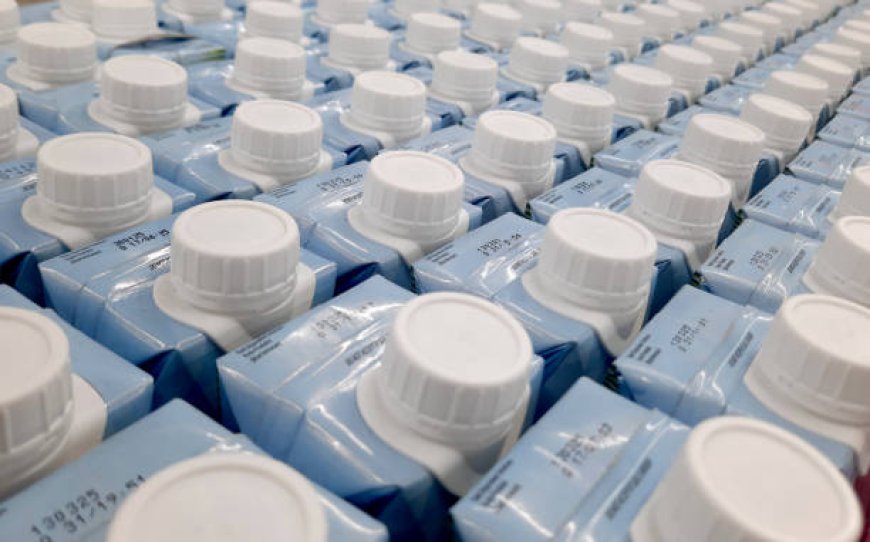
Packaging has become a strategic element in the global dairy industry, extending far beyond product containment. Modern dairy packaging preserves freshness, protects products from contamination, supports efficient transportation, and enhances consumer convenience while addressing growing sustainability expectations. As dairy manufacturers respond to changing consumption patterns, stricter environmental regulations, and advancements in material science, the Dairy Packaging Market trends are increasingly shaped by recyclable materials, lightweight formats, and intelligent packaging technologies.
According to a study published by Vyansa Intelligence, the Dairy Packaging Market size was valued at USD 37 Million in 2025 and is projected to reach USD 45 Million by 2032, expanding at a CAGR of 2.84% during 2026-2032.
The market continues to grow steadily as rising dairy consumption, expanding milk processing activities, and increasing demand for sustainable packaging solutions encourage manufacturers to invest in innovative packaging technologies.
Packaging Evolves into a Product Preservation Technology
Dairy products are highly sensitive to temperature, oxygen, moisture, and microbial contamination, making packaging a critical component of product quality management. Milk, yogurt, cheese, butter, cream, and ice cream all require specialized packaging solutions capable of maintaining freshness throughout transportation, storage, and retail distribution.
The Dairy Packaging Market growth is closely linked to these preservation requirements. Modern packaging materials combine barrier protection, mechanical strength, and consumer-friendly designs to ensure dairy products maintain their nutritional value, taste, and safety while minimizing food waste across increasingly complex supply chains.
Advancements in multilayer structures, aseptic cartons, high-barrier films, and resealable packaging formats have enabled manufacturers to extend product shelf life without compromising quality. These innovations are particularly valuable as dairy products are distributed across longer distances and through expanding retail networks.
Sustainability Becomes a Core Industry Priority
Environmental concerns are transforming packaging development throughout the food industry. Governments, retailers, and consumers are encouraging greater use of recyclable, reusable, and lightweight packaging materials to reduce waste generation while supporting circular economy initiatives.
The Dairy Packaging Market size reflects this ongoing transition toward sustainable material selection. Manufacturers are increasingly adopting recyclable plastics, mono-material flexible packaging, fiber-based cartons, and lightweight containers that reduce material consumption without sacrificing functional performance.
Recent regulatory developments continue accelerating this transformation. The European Union's Packaging and Packaging Waste Regulation establishes new requirements aimed at improving recyclability, reducing packaging waste, and encouraging circular packaging systems throughout member states. These regulations are encouraging dairy packaging manufacturers to redesign products that meet both environmental objectives and food safety standards. For more information, visit the European Commission Packaging and Packaging Waste page.
Material Innovation Improves Performance and Efficiency
Packaging manufacturers continue investing in advanced materials that balance durability, sustainability, and product protection. Plastic remains widely used because of its lightweight characteristics, flexibility, and cost efficiency, while paperboard, glass, and metal continue serving specialized applications depending on product requirements and distribution channels.
The Dairy Packaging Market trends increasingly emphasize material optimization rather than simply replacing one packaging material with another. Manufacturers are reducing packaging weight, improving recyclability, and developing mono-material structures that simplify recycling processes while maintaining strong moisture and oxygen barrier performance.
Researchers are also investigating biodegradable materials capable of reducing environmental impacts while preserving packaging functionality. Recent life-cycle studies highlight both the opportunities and technical trade-offs associated with bio-based packaging materials, emphasizing the importance of balancing environmental performance with food protection requirements.
Consumer Convenience Shapes Packaging Design
Modern consumers increasingly value convenience alongside product quality. Easy-open closures, resealable containers, portion-controlled packaging, ergonomic bottle designs, and portable dairy products have become important purchasing considerations across multiple product categories.
These evolving preferences continue supporting Dairy Packaging Market growth as dairy producers introduce packaging solutions that improve usability while reducing food waste. Packaging design now plays an important role in enhancing customer experience, supporting product differentiation, and strengthening brand identity within highly competitive retail environments.
The expansion of online grocery retailing has also influenced packaging requirements. Dairy packaging must now withstand increasingly complex transportation environments while maintaining product integrity during home delivery and last-mile logistics operations.
Smart Packaging Enhances Supply Chain Visibility
Digital technologies are gradually becoming integrated into dairy packaging systems. QR codes, RFID tags, freshness indicators, and digital traceability solutions allow manufacturers, distributors, retailers, and consumers to monitor product movement throughout the supply chain.
These technologies contribute to the Dairy Packaging Market forecast by improving inventory management, strengthening food safety monitoring, and increasing supply chain transparency. Digital packaging also supports product authentication, recall management, and consumer engagement through interactive product information.
Intelligent packaging systems are expected to become increasingly valuable as dairy supply chains expand globally and regulatory expectations surrounding traceability continue to evolve.
Competitive Landscape Focuses on Sustainable Innovation
Competition within the dairy packaging industry increasingly centers on innovation, sustainability, regulatory compliance, and operational efficiency. Packaging manufacturers are investing in recyclable materials, lightweight structures, improved barrier technologies, and advanced manufacturing processes that reduce environmental impact while supporting high-speed dairy production.
Companies capable of delivering packaging solutions that simultaneously improve product protection, sustainability performance, and manufacturing efficiency are strengthening their competitive positioning. Collaboration between dairy processors, material suppliers, packaging manufacturers, and recycling organizations is also becoming increasingly important in developing next-generation packaging systems.
Recent commercial developments further illustrate this direction. Dairy companies have begun introducing naturally degradable and biodegradable milk packaging solutions that aim to reduce plastic waste while maintaining product safety and shelf life.
Future Outlook
The Dairy Packaging Market forecast remains positive as dairy consumption, environmental awareness, and packaging innovation continue advancing together. Future growth will increasingly depend on packaging solutions that combine superior product protection with improved recyclability, lower material usage, and enhanced digital functionality.
Advances in sustainable materials, aseptic packaging technologies, intelligent labeling, and circular economy practices will continue shaping the industry's long-term evolution. Packaging manufacturers that successfully balance food safety, operational efficiency, consumer convenience, and environmental responsibility will remain well positioned to support the changing needs of the global dairy industry.
Conclusion
Dairy packaging has become an essential contributor to product quality, food safety, supply chain efficiency, and sustainability performance. Modern packaging technologies help preserve freshness, reduce waste, improve transportation efficiency, and meet increasingly demanding regulatory and consumer expectations.
As innovation continues across materials, manufacturing technologies, and digital solutions, the Dairy Packaging Market is expected to maintain steady long-term growth. Sustainable packaging development, circular economy initiatives, and intelligent packaging systems will remain fundamental drivers supporting the industry's continued transformation.