Denim Tears Clothing: More Than Fashion, A Cultural Statement
Prefer Your Luxury Outfit with Denim Tears Clothing, Where Every Stitch Tells a Story and Every Outfit Makes a Statement.
 NinthHall45
Introduction
Denim Tears clothing isn’t just something you throw on before stepping out the door. It’s not about chasing trends, flexing logos, or blending into the endless scroll of streetwear drops. Denim Tears is deeper than that. It’s fashion with a memory, a message, and a mirror held up to history. At first glance, you might see a hoodie, a pair of jeans, or a cotton wreath graphic. But if you look a little longer, you’ll realize you’re staring at a conversation—one that connects the past to the present through fabric, design, and intent.
In a world where fashion often moves fast and forgets faster, Denim Tears slows things down. It asks questions. It challenges comfort. It reminds people that clothing has always been political, even when we pretend it’s not. From its bold symbolism to its carefully chosen collaborations, Denim Tears has carved out a space that feels raw, honest, and necessary. It doesn’t whisper its message—it speaks clearly, sometimes uncomfortably, and that’s exactly the point.
What makes Denim Tears clothing so powerful is that it refuses to separate style from story. Every piece feels intentional, like it was made not just to be worn, but to be understood. And in an era where streetwear can sometimes feel hollow or repetitive, that depth is refreshing. Denim Tears isn’t trying to please everyone. It’s trying to say something real—and that’s why it resonates.
The Origins of Denim Tears
Every meaningful brand starts with a reason, and Denim Tears is no exception. It didn’t come from a boardroom or a trend forecast. It came from lived experience, historical awareness, and a desire to tell stories that were often ignored by mainstream fashion. Denim Tears was born out of a need to address history head-on, not sugarcoat it, and not package it into something easily digestible.
The brand emerged during a time when conversations around race, identity, and systemic injustice were becoming louder. But instead of responding with slogans or surface-level statements, Denim Tears chose symbolism. The designs pull from deep historical roots, especially those tied to African American experiences in the United States. Denim, one of the most American fabrics ever created, becomes a canvas for confronting the realities behind that history.
What’s interesting is that Denim Tears didn’t try to reinvent fashion. It took familiar silhouettes—jeans, sweatshirts, jackets—and infused them with meaning. That familiarity makes the message even stronger. You’re not looking at something alien or abstract. You’re looking at everyday clothing that carries extraordinary weight.
From the beginning, Denim Tears positioned itself not as a brand chasing hype, but as a cultural project. That intention shaped everything that followed, from its collaborations to its limited releases. It set the tone for a label that values impact over volume and meaning over mass appeal.
Tremaine Emory: The Mind Behind Denim Tears
To understand Denim Tears, you have to understand Tremaine Emory. He’s not just a designer; he’s a cultural thinker, a creative director, and a storyteller. His background spans music, art, and fashion, and that multidisciplinary influence shows up in every aspect of Denim Tears clothing.
Tremaine Emory has worked behind the scenes with some of the biggest names in fashion and culture, but Denim Tears is where his voice feels most personal. This is where he speaks without filters, using design as his language. His approach isn’t about aesthetics first—it’s about meaning. The clothes come after the concept, not the other way around.
What sets Emory apart is his ability to connect history with the present in a way that feels natural, not forced. He doesn’t lecture. He illustrates. He allows the clothing to carry the weight of the message while trusting the wearer to engage with it on their own terms. That trust creates a deeper relationship between the brand and its audience.
Emory’s influence also extends beyond Denim Tears. His role in shaping modern streetwear culture is undeniable, and his work continues to challenge the idea that fashion should be neutral. Through Denim Tears, he proves that clothing can be beautiful, wearable, and politically aware all at once.
The Meaning Behind the Name “Denim Tears”
The name “Denim Tears” is emotional, and it’s meant to be. Denim represents labor, endurance, and American industry. Tears represent pain, loss, and remembrance. Put them together, and you get a name that feels heavy—but honest.
Denim has long been associated with workwear, especially labor performed by marginalized communities. For African Americans, denim carries a specific historical weight tied to forced labor and survival. By pairing denim with tears, the brand acknowledges that history instead of ignoring it. It’s a reminder that behind the fabric we celebrate lies a story we often avoid.
The name also speaks to generational trauma. Tears aren’t just about the past; they spill into the present. Denim Tears recognizes that history doesn’t disappear just because time moves forward. It lives on in systems, narratives, and identities. The brand name alone invites reflection, asking the wearer to think beyond surface-level fashion. Rather than choosing a catchy or abstract name, Denim Tears chose honesty. It’s uncomfortable, poetic, and powerful—all at the same time. And that choice sets the tone for everything the brand creates.
Cultural Storytelling Through Fashion
Denim Tears uses clothing the way a writer uses words or a filmmaker uses images. Every piece tells a story, and those stories are rooted in culture, history, and lived experience. This isn’t fashion for fashion’s sake. It’s fashion as storytelling.
One of the most compelling aspects of Denim Tears clothing is how it educates without preaching. The designs spark curiosity. You see a symbol, a pattern, or a motif, and you want to know more. That curiosity leads people to learn about histories they might not have been taught in school or discussed openly.
Fashion has always been a form of expression, but Denim Tears pushes that idea further. It treats clothing as an archive, preserving narratives that risk being forgotten. By wearing Denim Tears, people become part of that archive. They carry those stories into public spaces, conversations, and communities.
This approach transforms the relationship between the wearer and the clothing. You’re not just wearing a brand; you’re participating in a dialogue. And in a culture driven by fast fashion and disposable trends, that sense of purpose feels rare and meaningful.
The Iconic Cotton Wreath Motif
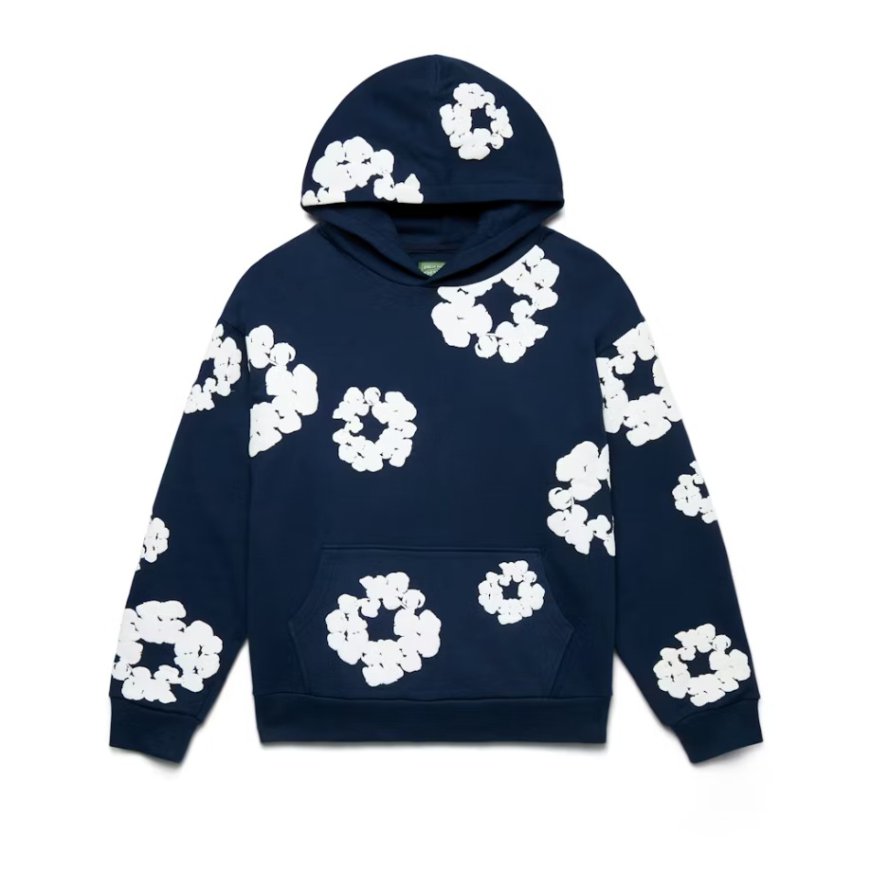
The cotton wreath is one of the most recognizable elements of Denim Tears clothing, and it’s also one of the most loaded. Cotton is deeply tied to the history of slavery in the United States. It represents exploitation, suffering, and resilience all at once. Turning cotton into a wreath—a symbol often associated with honor and remembrance—is a powerful act of reclamation.
This motif forces people to confront uncomfortable truths. Cotton isn’t just a soft fabric; it’s a reminder of forced labor and systemic oppression. By placing it front and center, Denim Tears refuses to let that history fade into the background. Instead, it reframes cotton as a symbol of survival and remembrance.
The wreath shape adds another layer of meaning. Wreaths are often used to honor the dead, to mark important moments, or to show respect. In the context of Denim Tears, the cotton wreath becomes a memorial. It honors the lives lost and the generations affected by the systems that built modern America.
Visually, the motif is simple. Symbolically, it’s complex. And that balance is what makes it so effective. It doesn’t overwhelm the design, but it carries enough weight to stop people in their tracks.
Denim Tears and African American History
At its core, Denim Tears clothing is deeply connected to African American history. Not as a footnote, but as the foundation. The brand doesn’t treat history as something distant or abstract. It treats it as something living, breathing, and still relevant.
Many fashion brands borrow from Black culture without acknowledging the struggles that shaped it. Denim Tears does the opposite. It centers those struggles and honors them. The designs reference slavery, labor, migration, and resistance, weaving those themes into garments meant for everyday wear.
This approach challenges the idea that fashion should be neutral or apolitical. Denim Tears argues, through design, that neutrality often means erasure. By being explicit about its influences, the brand creates space for conversations that are often avoided.
What makes this connection so powerful is that it’s personal. These aren’t borrowed stories; they’re inherited ones. Denim Tears doesn’t just reference history—it remembers it. And in doing so, it turns clothing into a form of cultural preservation.
Collaborations That Changed Streetwear
Denim Tears collaborations aren’t random. They’re carefully chosen partnerships that align with the brand’s message and values. Each collaboration feels like an extension of the story, not a distraction from it.
In the world of streetwear, collaborations are often about hype and visibility. Denim Tears approaches them differently. The goal isn’t just to reach more people; it’s to deepen the conversation. Denim Tears Hoodie By partnering with established brands, Denim Tears brings its message into spaces where it might not otherwise exist.
These collaborations also challenge the partner brands to engage with history and meaning. They’re not just lending their platform; they’re participating in the narrative. That mutual respect is what makes these partnerships impactful. From denim giants to sportswear icons, Denim Tears collaborations have left a lasting mark on streetwear culture. They’ve shown that collaboration can be about substance, not just style.
Denim Tears x Levi’s
The Denim Tears x Levi’s collaboration is one of the most significant moments in the brand’s history. Levi’s, a symbol of American denim, carries its own complex legacy tied to labor and industry. Bringing Denim Tears into that context created a powerful dialogue.
The collaboration featured classic Levi’s silhouettes reimagined through the lens of Denim Tears’ storytelling. The cotton wreath motif appeared prominently, forcing a direct confrontation with the history behind denim production. It wasn’t subtle—and it wasn’t meant to be.
Public reaction to the collaboration was intense. Some praised it for its honesty and courage. Others felt uncomfortable, which only proved how necessary the conversation was. Denim Tears didn’t aim to please everyone; it aimed to tell the truth. This collaboration showed what happens when fashion stops avoiding its past and starts engaging with it. It set a new standard for what meaningful collaboration can look like.
Denim Tears x Nike
When Denim Tears partnered with Nike, the result was a fusion of sportswear, culture, and social commentary. Nike, a global powerhouse, provided a massive platform. Denim Tears brought the message. The collaboration blended performance-inspired design with cultural symbolism, proving that even athletic wear can carry deeper meaning. Sneakers and apparel became vessels for storytelling, reaching audiences far beyond traditional fashion circles.
What made this collaboration stand out was its authenticity. It didn’t feel forced or commercial. It felt intentional. The designs respected both brands while pushing the conversation forward. By entering the sneaker world, Denim Tears expanded its reach without diluting its message. It showed that cultural storytelling can exist anywhere—even in spaces driven by hype and resale value.
The Role of Denim Tears in Modern Streetwear
Modern streetwear often walks a fine line between creativity and commercialization. Denim Tears leans firmly toward creativity with purpose. It reminds the streetwear world that style doesn’t have to be empty to be popular. The brand’s influence can be seen in how other labels approach storytelling and symbolism. Denim Tears has helped shift the conversation, encouraging designers to think more deeply about what their clothes represent.
In a culture obsessed with drops and exclusivity, Denim Tears stands out by focusing on meaning. That focus has earned it respect, not just from consumers, but from creatives across industries. Denim Tears proves that streetwear can grow up without losing its edge. It can be thoughtful, challenging, and still undeniably cool.
Celebrity Endorsements and Influence
When celebrities wear Denim Tears, it’s rarely just about fashion. Artists, musicians, and cultural icons are drawn to the brand because it aligns with their values and experiences. These endorsements feel organic, not staged. They amplify the brand’s message without overshadowing it. When influential figures wear Denim Tears, they’re participating in the conversation, not just promoting a product.
This visibility helps bring the brand’s stories to a wider audience. It sparks curiosity and encourages people to look deeper. And because the message is clear, it doesn’t get lost in the noise. Denim Tears doesn’t rely on celebrity culture, but it understands its power. When used intentionally, that power becomes a tool for awareness and change.
Quality, Craftsmanship, and Materials
Beyond its message, Denim Tears clothing stands out for its quality. The materials feel intentional, the construction solid, and the attention to detail clear. This isn’t fast fashion. It’s made to last, both physically and conceptually. The choice of fabrics, especially denim and cotton, reinforces the brand’s themes. These materials aren’t accidental. They’re part of the story. Wearing Denim Tears feels substantial, like you’re wearing something that matters.
Quality also plays a role in respect. By producing well-made garments, Denim Tears honors the stories it tells. It refuses to cheapen them through poor craftsmanship. In a market flooded with disposable clothing, that commitment to quality makes a statement of its own.
How to Style Denim Tears Clothing
Styling Denim Tears clothing is about balance. The pieces are bold, but they don’t need to be overcomplicated. Let the design speak. For everyday wear, pair Denim Tears jeans or hoodies with simple basics. Neutral colors allow the symbolism to stand out. For statement looks, lean into the brand’s bold graphics and layer thoughtfully.
The key is intention. Denim Tears isn’t about flexing; it’s about expression. Wear it in a way that feels authentic to you. Because the pieces carry meaning, they naturally become conversation starters. Styling them confidently adds to that impact.
Denim Tears and Social Activism
Denim Tears exists at the intersection of fashion and activism. It doesn’t donate slogans or empty gestures. It raises awareness through design and dialogue. By forcing people to confront uncomfortable histories, the brand encourages reflection and conversation. That awareness is a form of activism in itself.
Denim Tears shows that activism doesn’t always look like protests or petitions. Sometimes, it looks like a pair of jeans that makes someone stop and think. That subtlety is powerful. It reaches people where they are, without demanding agreement—only engagement.
Criticism and Controversy
No brand that tackles heavy topics escapes criticism, and Denim Tears is no exception. Some argue that using symbols tied to trauma in fashion is exploitative. Others believe it’s necessary. These debates are part of the brand’s impact. Denim Tears doesn’t shy away from controversy because controversy sparks conversation. And conversation leads to understanding.
Art has always challenged comfort. Denim Tears continues that tradition, using clothing as its medium. The brand’s willingness to face criticism head-on reinforces its authenticity. It isn’t trying to be safe. It’s trying to be honest.
The Future of Denim Tears
Looking ahead, Denim Tears shows no signs of losing its voice. As it grows, the challenge will be maintaining its authenticity while reaching new audiences. If the brand’s past is any indication, it will continue to prioritize meaning over mass production. Growth doesn’t have to mean dilution. Denim Tears has already changed the way people think about fashion. Its future lies in continuing to ask hard questions—and trusting people to listen.
Conclusion
Denim Tears clothing is more than fabric and design. It’s memory, history, and dialogue woven into wearable form. In a world where fashion often forgets its roots, Denim Tears remembers—and reminds. By blending storytelling with style, the brand has carved out a space that feels honest and necessary. It challenges, educates, and inspires without sacrificing aesthetics. Denim Tears proves that fashion can be meaningful. And once you see clothing that way, it’s hard to go back. Shop Now
FAQs
1. What makes Denim Tears clothing unique?
Denim Tears stands out because it combines fashion with cultural storytelling, using symbolism rooted in African American history.
2. Who founded Denim Tears?
Denim Tears was founded by Tremaine Emory, a creative director known for his deep cultural influence in fashion.
3. Why is the cotton wreath symbol important?
The cotton wreath represents remembrance and reclamation of a painful history tied to slavery and labor.
4. Is Denim Tears considered streetwear or high fashion?
It exists at the intersection of streetwear and cultural art, blending accessibility with conceptual depth.
5. Is Denim Tears clothing worth the price?
For many, the quality, craftsmanship, and meaningful storytelling justify the investment.