Disposable Air Water Syringe Tips: The Complete Guide To Safer And More Efficient Dental Care
Learn how disposable air water syringe tips improve infection control, patient safety, and workflow while helping dental practices maintain efficient operatory performance.
 americandentalaccessories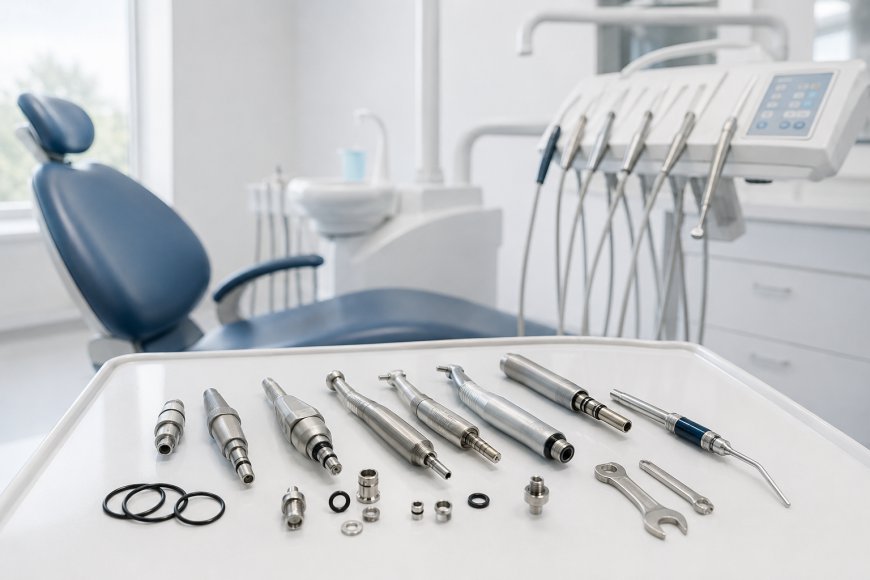
Every dental operator depends on reliable instruments that support accurate treatment and maintain a clean clinical environment. Among the most frequently used tools is the air and water syringe, which allows clinicians to rinse treatment areas, dry tooth surfaces, and improve visibility during procedures. Because it is used with nearly every patient, proper maintenance and tip selection are essential for infection prevention and consistent performance.
Using disposable air water syringe tips has become a preferred solution for many dental practices seeking greater efficiency, improved hygiene, and reduced risk of cross-contamination. Disposable options eliminate the need for repeated sterilization while providing reliable airflow and water delivery for everyday clinical procedures.
Why Air and Water Syringe Tips Matter
Air and water syringe tips play a critical role during restorative, preventive, cosmetic, and hygiene procedures. They help clinicians maintain visibility, remove debris, rinse treatment areas, and prepare teeth for bonding or restorative materials.
Properly functioning syringe tips improve clinical precision while supporting infection control protocols. Poor-quality or damaged tips can reduce airflow, leak water, or compromise patient comfort.
Reliable syringe tips also contribute to:
-
Consistent air and water delivery
-
Improved clinical efficiency
-
Better patient comfort
-
Reduced treatment interruptions
-
Enhanced infection prevention
Selecting quality products helps practices maintain dependable performance throughout every procedure.
Understanding the Water Syringe
The water syringe is one of the most frequently used instruments in modern dentistry. It delivers a controlled stream of water for rinsing debris, cooling restorative materials, and improving treatment visibility.
Modern syringe systems are designed to provide separate or combined air and water functions depending on procedural requirements. Proper maintenance of valves, tubing, connectors, and replacement tips ensures reliable operation throughout the workday.
Routine inspection also helps identify worn seals, damaged fittings, or reduced water pressure before they affect patient care.
Benefits of Disposable Syringe Tips
Disposable tips offer several advantages compared to reusable alternatives. Since each tip is discarded after a single patient, practices significantly reduce the possibility of cross-contamination while simplifying operational turnover.
Additional benefits include:
-
Elimination of sterilization between patients
-
Faster room preparation
-
Reduced labor costs
-
Consistent performance
-
Improved infection control compliance
-
Lower risk of internal contamination
-
Convenient inventory management
Many disposable designs also feature separate internal air and water channels, helping maintain dry air when required during restorative procedures.
Choosing Quality Air and Water Syringe Tips
Selecting the right syringe tip involves more than choosing the lowest-cost option. Dental professionals should evaluate compatibility, construction quality, airflow consistency, water delivery, and overall durability.
High-quality products are manufactured to fit securely within compatible syringe systems while minimizing leakage during procedures. Strong locking mechanisms help prevent accidental tip movement, providing greater confidence for clinicians.
In the middle of purchasing decisions, air and water syringe tips should always be selected from reputable suppliers that prioritize manufacturing quality and consistent performance. Reliable products contribute to smoother clinical workflows while reducing replacement frequency.
Practices should also verify compatibility with existing syringe systems before ordering replacement tips to avoid unnecessary installation issues.
Best Practices for Daily Syringe Maintenance
Even when disposable tips are used, the syringe body still requires regular maintenance to maintain optimal performance.
Daily maintenance recommendations include:
-
Clean external surfaces after every patient.
-
Flush air and water lines according to manufacturer guidelines.
-
Inspect O-rings and internal seals regularly.
-
Replace damaged valves or tubing promptly.
-
Verify proper air and water pressure.
-
Examine locking mechanisms for wear.
-
Schedule periodic preventive maintenance.
Following these procedures helps maintain equipment reliability while supporting sterilization and infection control standards.
Why Quality Replacement Components Matter
The performance of an air and water syringe depends on more than the tip itself. Internal valves, tubing, connectors, O-rings, and seals all contribute to smooth operation.
Replacing worn components before failure helps reduce downtime and prevents unexpected interruptions during patient treatment. Quality replacement parts also improve airflow consistency and water delivery while extending equipment lifespan.
Working with experienced dental equipment suppliers ensures access to dependable replacement components that meet the performance requirements of busy dental practices.
Conclusion
Reliable air and water syringe systems are essential for efficient patient care and successful clinical outcomes. Choosing high-quality disposable tips, maintaining syringe components, and replacing worn parts on schedule helps practices improve infection control, reduce downtime, and extend equipment life.
By investing in dependable products and following a preventive maintenance routine, dental professionals can create a safer, more productive operation while delivering consistent, high-quality treatment for every patient.
Frequently Asked Questions
1. Why are disposable air water syringe tips preferred?
They reduce cross-contamination, eliminate sterilization time, and improve workflow efficiency.
2. How often should syringe tips be replaced?
Disposable tips should be replaced after every patient.
3. Can disposable tips improve infection control?
Yes. Single-use tips significantly reduce the risk of contamination between patients.
4. What should be inspected during syringe maintenance?
Inspect valves, tubing, O-rings, connectors, locking mechanisms, and water pressure regularly.
5. Are disposable tips compatible with every syringe?
Compatibility varies by manufacturer, so practices should verify product specifications before purchasing.
6. How do quality syringe tips improve patient care?
Reliable tips provide consistent airflow and water delivery, improving clinical accuracy and patient comfort.
7. Why is preventive maintenance important for syringe systems?
Routine maintenance reduces equipment downtime, extends component lifespan, and ensures dependable clinical performance.