Do You Need a French Drain in a Basement to Stop Water Damage?
 basement
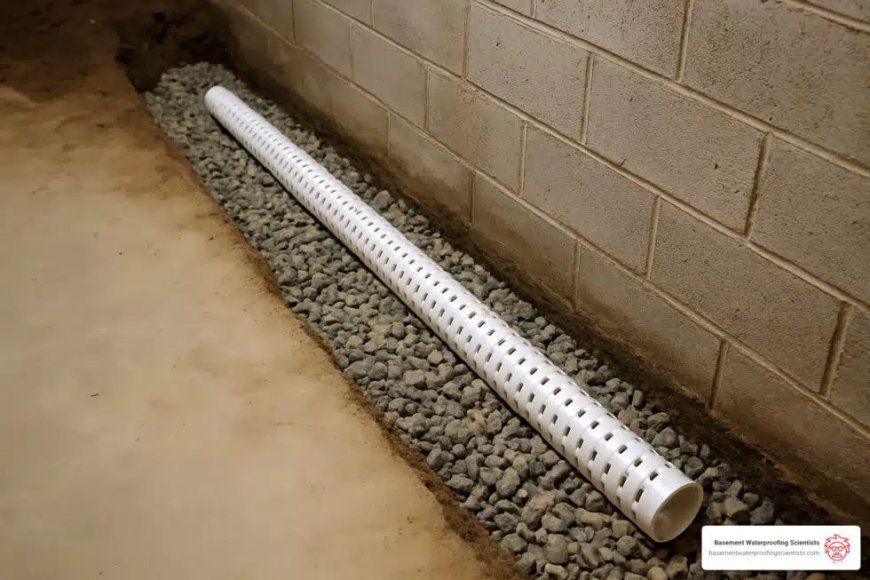
Do you feel worried every time it rains because water might enter your basement? A wet basement can damage walls, floors, and even your home’s structure. One smart solution is installing a French drain in a basement, which helps move water away before it causes serious problems. With the right setup, you can keep your home dry, safe, and stress-free.
Why Water Builds Up in Basements
Water problems usually start outside but show up inside. Rainwater, melting snow, or poor drainage can push moisture toward your foundation. Over time, this pressure forces water through small cracks. As a result, your basement becomes damp, musty, and uncomfortable.
In some homes, the soil around the house holds water for too long. Because of this, the water slowly seeps toward the basement walls. Also, clogged gutters or poor grading can make things worse. When water has nowhere to go, it finds the easiest path, right into your basement. That’s why it’s important to act early. Fixing water issues quickly can prevent bigger damage later.
How a French Drain Helps Control Water
A drainage system works like a hidden path for water. It collects water and moves it away from your home safely. A French drain in a basement is designed to sit along the perimeter, catching water before it spreads. Instead of letting water sit around your foundation, the system redirects it to a safe outlet. This simple idea can protect your home from long-term damage.
Signs You May Need a Drain Solution
Small warning signs often show up before major damage happens. Watch for these common issues:
-
Damp or wet spots on basement floors
-
Musty smell that does not go away
-
Cracks in walls or flooring
-
Water stains or discoloration
-
Mold or mildew growth
-
Peeling paint on walls
-
Increased humidity in the basement
If you notice these signs, it is a good time to think about a drainage solution. Acting early helps you avoid costly repairs later.
What Makes This System Effective
A well-installed system works quietly in the background. It collects water through a perforated pipe and moves it away from your home. Gravel or stone helps filter debris, so the system stays clear. Also, the system reduces pressure around your foundation. This means fewer cracks and less chance of leaks. Over time, this protection keeps your basement dry and comfortable.
Another key benefit is long-term reliability. Once installed correctly, the system requires very little maintenance. This makes it a practical and stress-free solution for homeowners.
Indoor vs Outdoor Drain Options
Some homeowners wonder whether to install a system inside or outside. Both options work, but the right choice depends on your home. An indoor system is easier to manage and works well for existing homes. It collects water from inside and directs it away. On the other hand, outdoor systems stop water before it reaches your walls.
In some cases, experts may recommend a French drain system in basement combined with outdoor improvements. This gives better protection, especially in areas with heavy rainfall.
Common Mistakes to Avoid
Even a good solution can fail if installed incorrectly. Avoid these common mistakes to ensure long-term results:
-
Ignoring early signs of water damage
-
Choosing poor-quality materials
-
Skipping professional installation
-
Not checking slope and drainage direction
-
Blocking the drainage path with debris
-
Installing without proper planning
By avoiding these mistakes, you can ensure your system works smoothly for years.
How Installation Improves Your Home
A dry basement changes everything. First, it protects your home’s structure from damage. Next, it improves indoor air quality by reducing mold and moisture. Also, it makes your basement more usable. You can turn it into a storage area, workspace, or even a living space without worry.
Another big benefit is peace of mind. You won’t have to stress every time it rains. Instead, you can feel confident knowing your home is protected.
Maintenance Tips for Long-Term Performance
Keeping your system in good shape is simple. Regular checks can help you avoid problems. Clean gutters and downspouts so water flows properly. Also, inspect the drainage outlet to make sure it is not blocked. If you notice slow drainage, get it checked early.
Simple care goes a long way. With basic maintenance, your system can last for many years without trouble.
When to Call a Professional
Some water problems are easy to spot, but fixing them requires expert help. If water keeps coming back, it is time to call a professional. Experts understand soil conditions, water flow, and proper installation methods. Because of this, they can recommend the best solution for your home.
Professional help ensures the job is done safely and correctly. This saves time, effort, and future repair costs.
Final Thoughts
Water damage can feel stressful, but the right solution makes things simple. A well-planned drainage system protects your home, improves comfort, and prevents future issues. Taking action early keeps your basement dry and your home safe. Take the first step today, consult a professional and protect your basement before the next rainstorm hits.