Dump Trailer Rental vs. Dumpster Rental for Home Cleanouts
Read a comparison of trailer vs. dumpster rental for home cleanouts. Learn costs, space needs, loading ease, and scheduling tips to choose the right option.
 bluebintrailers
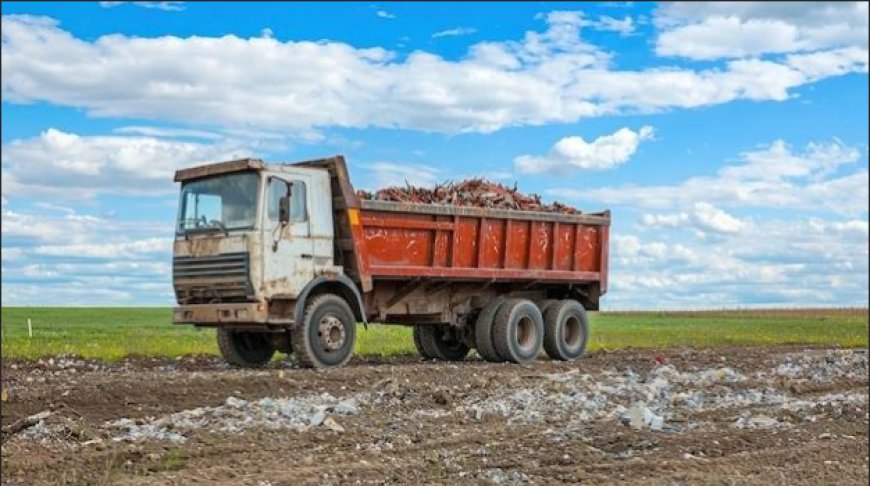
Cleaning out your home can feel overwhelming. Whether you are clearing a garage, preparing for a move, handling an estate cleanout, or starting a renovation, waste piles up quickly. One of the first decisions you need to make is choosing between a trailer and a dumpster. When comparing trailer vs. dumpster rental, it is important to understand how each option works, what it costs, and how it fits your specific project. The right choice can save you time, money, and stress.
In this guide, we break down the real differences in simple terms so you can make the best decision for your next cleanout without second-guessing yourself.
Key Takeaways
-
Space and Property Protection: Trailers are easier on driveways and tight spaces, while dumpsters require careful placement to avoid surface damage.
-
Convenience and Mobility: Trailers can be repositioned during the project, whereas dumpsters remain fixed in one spot.
-
Cost Factors and Hidden Fees: Dumpsters often offer flat rates, but both options may include extra fees for weight, time, or disposal.
-
Delivery and Scheduling Flexibility: Trailers may offer quicker turnaround, while dumpsters can have stricter scheduling during busy seasons.
-
Loading Experience and Ease of Use: Trailers are typically lower and easier to load, while dumpsters may require lifting items higher.
-
Booking Process and Customer Support: Both options vary by provider, so clear pricing, easy booking, and responsive support are key factors to compare.
Understanding Trailer vs. Dumpster Rental for Home Projects
When you compare both options, you are really deciding how you want waste removed from your property. Both options help you handle large amounts of debris, but they work in different ways.
A dumpster rental usually involves a large metal container delivered to your driveway or yard. You fill it, and the company hauls it away when you are done.
A dump trailer rental works differently. The trailer sits on wheels and can be placed in tighter spaces. It often comes with features like easy loading or flexible placement options.
Here is what you should think about before choosing:
-
Size of your cleanout
-
Space available on your property
-
Length of rental time
-
Type of debris you need to remove
-
Local driveway or HOA restrictions
These factors make a big difference in how smooth your cleanout goes.
Trailer vs. Dumpster Rental for Home Projects: Key Differences
-
Space and Property Protection
One of the biggest concerns during a home cleanout is protecting your driveway and lawn. Heavy dumpsters can crack concrete or damage pavers if not placed carefully.
A trailer usually sits on rubber tires instead of metal edges. This reduces the risk of scratches and dents on driveways.
Another benefit is flexibility. If your space is tight, a trailer may fit better beside your home or in a narrow driveway. Many homeowners prefer this option when working in residential neighborhoods with limited space.
You should also think about placement rules. Some areas do not allow containers on the street without permits. In these cases, a trailer drop location can make the process easier since the setup can be more controlled and less intrusive.
-
Convenience and Mobility
Convenience plays a huge role in your decision. During a large cleanout, you may want flexibility in how you load and manage debris.
When comparing trailer vs. dumpster rental, trailers offer a clear advantage in mobility. Because they are attached to a vehicle, they can be repositioned if needed. This helps when you are clearing multiple areas of your property.
Some key benefits of trailers include:
-
Easier loading due to lower height.
-
Ability to move closer to debris piles.
-
Less visual bulk in your driveway.
-
Faster swap out if needed.
Dumpster rentals, on the other hand, stay in one fixed position. That can work well if all your waste comes from one area, like a garage or basement.
-
Cost Factors and Hidden Fees
Budget always matters. A home cleanout can already be expensive, especially if you are renovating or preparing to sell.
Dumpster rentals often include flat rates for a specific size and timeframe. However, overage charges may apply if you exceed weight or rental-day limits.
With a dump trailer rental, pricing may depend on duration, debris type, and hauling distance. Some providers offer clear pricing that includes hauling and disposal.
You should always ask about:
-
Weight limits
-
Dumping fees
-
Delivery charges
-
Extension fees
-
Same day or emergency rates
Understanding these details upfront helps you avoid surprise costs later.
-
Delivery and Scheduling Flexibility
Timing matters during a cleanout. You may only have a weekend to finish the job, or you may need more time.
Many trailer services offer simple trailer delivery options that work around your timeline. This can be helpful when you need fast service.
Dumpsters may require longer scheduling windows, especially during busy seasons. If availability is limited, you could face delays.
Also consider pickup timing. With trailers, the company may haul it away quickly once you finish loading. This keeps your property clear and reduces clutter in your driveway.
-
Loading Experience and Ease of Use
The physical act of loading debris should not be overlooked. If you are lifting heavy items, height matters.
In the debate over trailer vs dumpster rental, trailers are often easier to load. Many sit lower to the ground, so you do not need to lift items as high. This can reduce strain on your back and make the process safer.
Dumpsters typically have higher walls. For bulky furniture or heavy materials, that extra height can make loading more difficult.
-
Booking Process and Customer Support
The booking experience also impacts your overall satisfaction. A simple system saves time and prevents confusion.
With modern providers, dump trailer booking can often be completed online in minutes. Clear communication about timing and placement makes everything easier.
When reviewing both options, look at how each company handles:
-
Online reservations
-
Customer support availability
-
Clear rental agreements
-
Transparent pricing
-
Fast response times
Good service matters just as much as the container itself. You want a provider who answers questions quickly and explains everything clearly.
Wrap Up
Choosing between a trailer and a dumpster does not have to be confusing. When you look closely at your space, budget, timeline, and loading needs, the right option becomes clear. In the discussion of trailer vs dumpster rental, trailers often provide better flexibility, driveway protection, and easier loading for residential cleanouts. Dumpsters still work well for large-scale or heavy debris projects. Think about what fits your property and project size best.
If you want a simple, flexible solution for your next cleanout, take time to review your options carefully and plan ahead with a trusted provider like Blue Bins, who understands your needs!
Frequently Asked Questions
Do I need a permit for a rental container?
It depends on where you place it. If you keep it on private property like your driveway, you usually do not need a permit. If you place it on the street, local rules may require one. Always check with your city before scheduling.
Can I throw away furniture and appliances?
Most services allow furniture. Appliances may require special handling due to environmental rules. It is best to confirm accepted materials before loading.
What happens if I overfill the container?
Overfilling can lead to extra fees or safety issues during transport. Keep debris below the fill line. If you expect more waste than planned, ask about upgrading the size or scheduling a second haul.