Dzo jongo peak trek itinerary
Explore breathtaking Himalayan trails with a detailed Dzo jongo peak trek itinerary, perfect for adventure lovers seeking high-altitude beauty.
 Kailasatreks
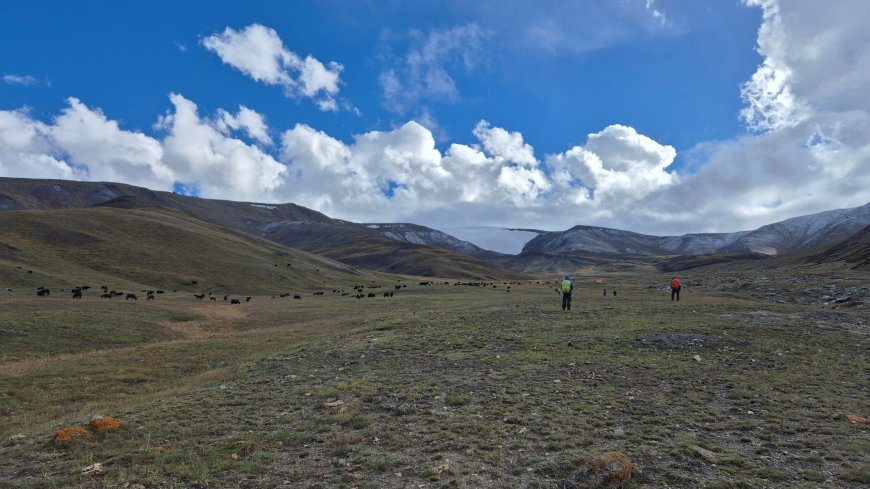
Ladakh is known for its dramatic mountain landscapes, remote valleys, and high-altitude adventures that attract trekkers from around the world. Among the hidden gems of the region, the Dzo Jongo Peak Trek offers an unforgettable experience for trekkers seeking both challenge and beauty. Many adventure enthusiasts search for a detailed Dzo jongo peak trek itinerary before planning their journey because the trek combines stunning scenery, peaceful campsites, and breathtaking summit views. kailasatreks provides carefully planned trekking experiences that help travelers explore the untouched beauty of Ladakh with proper guidance and support.
Overview of the Trek
Dzo Jongo Peak is located in the Markha Valley region of Ladakh and stands at an altitude of around 6,240 meters. The trek is considered moderately difficult to challenging due to the high altitude and steep summit climb. However, the route is suitable for trekkers with good fitness levels and prior trekking experience.
The journey offers spectacular views of Kang Yatse, Stok Kangri ranges, and surrounding Himalayan landscapes. Trekkers also experience traditional Ladakhi villages, monasteries, river crossings, and vast mountain valleys during the expedition.
Best Time for the Trek
The ideal season for the trek is from June to September. During these months, the weather remains relatively stable, and the trails are accessible. Day temperatures remain pleasant while nights can become extremely cold, especially at higher camps.
Day 1: Arrival in Leh
The trek begins with arrival in Leh, which is situated at around 3,500 meters. This day is important for acclimatization because the body needs time to adjust to the high altitude. Travelers can explore local attractions such as Shanti Stupa, Leh Palace, and nearby markets while resting properly.
Day 2: Acclimatization and Preparation
A second acclimatization day is highly recommended. Trekkers can visit monasteries like Thiksey and Hemis or take a short hike around Leh. Staying hydrated and avoiding physical strain helps prepare the body for the upcoming trekking days.
Day 3: Leh to Chilling and Trek to Skiu
The drive from Leh to Chilling takes around two to three hours. From Chilling, the trek officially begins toward Skiu village. The route passes through scenic valleys and riverbanks, offering the first glimpse of Ladakh’s rugged beauty. The overnight stay at Skiu provides a peaceful introduction to the trekking experience.
Day 4: Skiu to Markha
This section follows the Markha River and passes through small settlements, green fields, and mountain trails. Trekkers witness traditional Ladakhi culture while enjoying panoramic valley views. Markha village is one of the largest settlements in the valley and serves as a beautiful campsite.
Day 5: Markha to Thachungtse
The trail gradually gains altitude as trekkers move toward Thachungtse. Snow-covered peaks become more visible along the route. The campsite offers incredible mountain scenery and prepares trekkers for the more demanding stages ahead.
Day 6: Acclimatization at Thachungtse
Another acclimatization day is essential before the summit attempt. Trekkers usually take short hikes around the campsite to help the body adjust to the altitude. Proper rest, hydration, and nutrition are important on this day.
Day 7: Thachungtse to Dzo Jongo Base Camp
The trail becomes steeper and more rugged while approaching the base camp. Trekkers experience the raw beauty of Ladakh’s barren landscapes mixed with snow-covered mountains. Base camp is usually set up in a remote and peaceful location surrounded by towering peaks.
Day 8: Summit Day and Return to Base Camp
The summit climb starts early in the morning, often before sunrise. The ascent is physically demanding due to loose rocks, snow sections, and thin air at high altitude. Reaching the summit rewards trekkers with magnificent panoramic views of the Zanskar and Karakoram ranges.
After spending some time at the summit, trekkers descend carefully back to base camp for overnight rest.
Day 9: Base Camp to Chokdo via Kongmaru La
The descent continues through Kongmaru La Pass, which offers colorful mountain landscapes and dramatic valley views. The trail eventually leads toward Chokdo village, where the trekking section ends.
Day 10: Return to Leh
Trekkers drive back to Leh and enjoy a comfortable stay after completing the adventure. Many travelers spend the evening exploring local cafes and markets while celebrating the successful trek.
Essential Tips for Trekkers
- Maintain physical fitness before the trek
- Carry warm clothing and layered gear
- Stay hydrated throughout the journey
- Follow acclimatization schedules carefully
- Listen to guides and trek leaders at all times
Conclusion
The Dzo Jongo Peak Trek is an incredible adventure that combines high-altitude trekking with the cultural beauty of Ladakh. From scenic valleys to challenging summit climbs, every stage of the journey offers memorable experiences for adventure lovers. Choosing a well-organized trekking company like kailasatreks ensures proper planning, safety, and an enjoyable trekking experience in the Himalayas.