Edmonton Home renovations: Simple Steps for Better Results
Practical, local guidance for Edmonton Home renovations. Learn how to plan, get permits, choose materials, and pick a contractor so your project runs smoothly. Expert tips from Steadfast Constructions Ltd.
 steadfast0001
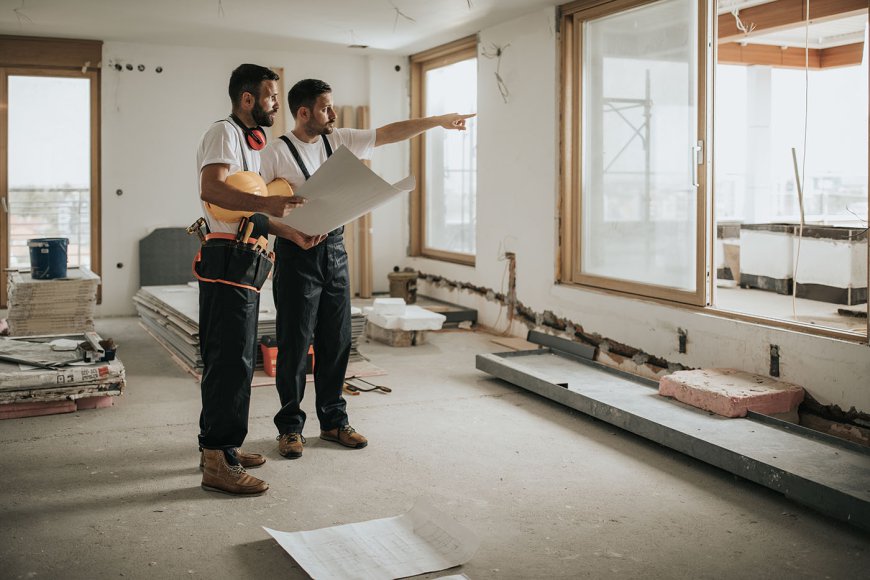
Turning a to-do list into a finished, comfortable home is easier with a clear plan. Whether you’re refreshing a kitchen, finishing a basement, or doing a whole-home upgrade, thoughtful Edmonton Home renovations focus on safety, durability, and everyday livability — especially here in Alberta’s climate. This guide walks Edmonton homeowners step-by-step through planning, permits, design, and contractor selection so your renovation delivers the best outcome with as little stress as possible.
What makes Edmonton Home Renovations different?
Renovating in Edmonton means designing for a specific set of realities: long winters, temperature swings in shoulder seasons, and a housing stock that ranges from pre-war bungalows to modern infill projects. These conditions affect everything from insulation choices and ventilation strategies to window selection and exterior drainage. Local homeowners also face permit rules and inspection processes that ensure safety and long-term resale value — rules administered by the City’s building department.
At a national level, renovation activity remains a major part of residential construction, and recent indicators show continued movement in renovation pricing and demand — useful context when planning scope and timing.
Early decisions that shape every Edmonton Home renovation
Before hammers appear and trades are booked, these early choices determine success:
1. Define the real problem you’re solving
Is the renovation about improving daily function, increasing comfort, creating rental income, or future-proofing for aging-in-place? Clear goals let you prioritize the things that matter most during Edmonton Home renovations: layout changes, mechanical upgrades, or durable finishes.
2. Decide where to invest for durability
In Edmonton, start with building envelope and mechanical reliability: insulation continuity, moisture management, and properly sized ventilation and heating. Prioritizing these systems protects finishes and avoids repeat repairs later.
3. Know the permit triggers
Work that affects structure, plumbing, electrical, or adds sleeping areas usually requires permits. Confirm permit needs early with the City of Edmonton so your schedule and design factor inspections and sign-offs. Contractors who manage permits reduce surprises for homeowners.
A step-by-step planning checklist for Edmonton Home renovations
Follow these practical steps to keep your project organized and on track.
Step 1 — Clarify goals and “must-haves”
Write a short brief: how many people live in the house, how the space is used, must-have features (e.g., accessible shower, homework nook), and any future plans (renting, aging-in-place). This becomes the north star for design decisions.
Step 2 — Site visit and technical review
A qualified contractor or designer inspects the home to confirm mechanical capacity, roof and foundation condition, and potential moisture issues. In Edmonton’s climate, foundation drainage and vapour management are particularly important.
Step 3 — Design and permits
Get permit-ready drawings and confirm which trades need to be licensed for permit inspections. A local permit-aware contractor will ensure drawings meet municipal expectations and will submit applications on your behalf.
Step 4 — Schedule and coordination
A realistic schedule orders work logically: demolition, mechanical rough-in, inspections, insulation, drywall, and finishes. Tight trade coordination reduces wait times and rework.
Step 5 — Final walkthrough and warranty
Complete a final walkthrough with punch-list items documented and a clear warranty or maintenance handover from your contractor.
Design choices built for Edmonton’s seasons
Designing for Alberta weather improves comfort and resilience.
Insulation & thermal continuity
Continuous wall and roof insulation, attention to thermal bridging, and airtightness translate directly into more comfortable spaces and lower demands on heating systems. These touches are especially important during long winters and quick temperature swings.
Moisture control and ventilation
Basements and bathrooms need robust moisture strategies. Balanced mechanical ventilation with targeted exhaust in wet areas reduces mould risk. Combining these approaches with good exterior drainage prevents water problems before finishes go in.
Helpful resource: National retrofit guidance and programs provide best-practice checklists that pair well with home renovations — they’re great for homeowners who want to add energy-performance goals to their project.
Durable interior finishes
Choose finishes specified for below-grade use where applicable (e.g., engineered flooring, water-resistant cabinetry cores). Select paint and trim systems that tolerate minor seasonal movement and humidity.
Real-world local examples
Seeing how others solved similar problems is helpful when planning your own project. Below are anonymized and typical examples from Edmonton neighbourhoods that show practical solutions.
Family-friendly whole-home refresh in a mature neighbourhood
A mid-century bungalow was reconfigured for modern family life: an open-plan kitchen replaced a closed galley layout, mechanical upgrades improved heating balance, and a finished basement added flexible living space. The contractor coordinated permit inspections and staged work to keep the home livable during construction.
Infill renovation with tight site constraints
An inner-city infill house required creative staging and material choices due to narrow access. The contractor used compact mechanical routing, preassembled cabinetry modules, and a detailed delivery schedule to avoid site congestion.
Expert voice (local and practical):
“Good renovations in Edmonton start with mechanical and moisture planning. If you forget that sequence, finishes will show the trade-offs in a few seasons.” — Jordan Lee, Project Manager (Steadfast Constructions Ltd., quoted as local project lead)
These are the types of services and project management approaches Steadfast Constructions Ltd. brings to Edmonton Home renovations, supporting homeowners from design through final inspection.
How to pick the right home renovation contractors Edmonton trusts
Hiring the right contractor affects quality, permit compliance, and your stress levels. Use this checklist when evaluating contractors.
1. Local experience and references
Look for contractors with a portfolio of local projects and references from Edmonton homeowners. Local experience means they’re familiar with climate-related choices and municipal processes.
2. Project management and trade coordination
A full-service contractor manages electricians, plumbers, HVAC, and inspections — that coordination reduces delays and accountability gaps.
3. Clear contract and communication
Ensure you get a detailed scope of work, timelines, sample specifications, and a stated warranty. Communication frequency and a single point of contact are important during busy projects.
4. Licensing and permits
Confirm the contractor will secure the required permits and arrange inspections. That protection safeguards both safety and resale value.
Steadfast Constructions Ltd. positions itself as a single point of accountability for Edmonton homeowners, offering design-to-build services, permit support, and licensed-trade coordination to simplify your renovation journey.
Energy and policy context to consider
Homeowners today often combine renovation goals with energy and resilience upgrades. National programs and guidance help identify eligible energy-performance measures and best practices for integrating them into renovations. The Canada Greener Homes Initiative provides resources and checklists for energy-conscious retrofits — useful if you’re installing higher-performance windows, improved insulation, or mechanical upgrades as part of a broader renovation.
Meanwhile, national indicators show renovation activity remains an active part of the housing landscape — that context helps explain labour and material availability trends that can affect scheduling and project planning.
Common renovation pitfalls and how to avoid them
Avoid these common missteps that cause delays, hidden costs, or poor long-term results.
-
Ignoring the building envelope. A pretty finish won’t last if moisture management and insulation weren’t addressed.
-
Skipping early permit checks. Permit surprises cause schedule disruptions and can require rework.
-
Poor trade coordination. Staggered or poorly sequenced trades lead to idle time and longer timelines.
-
Choosing finishes before mechanicals. Decide on heating, ventilation, and electrical capacity early to avoid redesign later.
A contractor with local experience will help you sequence work correctly, reduce rework, and ensure the finished home performs well in Edmonton’s climate.
Practical timeline expectations and living through a renovation
Renovations are disruptive; planning how your household will function during work reduces stress.
-
Set realistic staging plans: which rooms will stay functional, where will meals be prepared, and what safe zones are needed for children and pets.
-
Plan deliveries and staging areas so trades aren’t blocked by vehicles or weather.
-
Keep an up-to-date punch list and weekly check-ins with your contractor to track progress and address small issues before they grow.
Transparent communication and a single project manager from your contractor keep lines clear and make the renovation feel far more manageable.
Conclusion —
Edmonton Home renovations succeed when homeowners combine clear goals, local code compliance, climate-smart design, and the right contractor. From early planning and permit coordination through to finishes and warranty handover, thoughtful choices lead to long-term comfort and durability.
If you’re ready to start your renovation, Steadfast Constructions Ltd. brings hands-on local experience, permit support, and full project management to Edmonton homeowners who want a trusted partner for home upgrades.
Contact Steadfast Constructions Ltd. to schedule a consultation and receive a personalized plan for your home renovation.
Frequently Asked Questions (FAQ) —
How do I start planning Edmonton Home renovations?
Start by identifying your goals — whether you want better functionality, more space, improved energy efficiency, or modern aesthetics. Next, schedule a professional home assessment to review structural, electrical, plumbing, and insulation needs. A qualified renovation contractor in Edmonton can help you define the scope, confirm permit requirements, and create a clear project roadmap before work begins.
Do Edmonton Home renovations require permits?
Many home renovations in Edmonton require permits, especially if the project involves structural changes, electrical upgrades, plumbing modifications, basement development, or adding bedrooms. The City of Edmonton has specific building and safety requirements. Working with an experienced contractor ensures all permits and inspections are properly managed.
How do I choose reliable home renovation contractors Edmonton homeowners trust?
Look for contractors with strong local experience, verified references, proper licensing, and a clear project management process. The best home renovation contractors in Edmonton provide detailed written scopes, manage trade coordination, and handle permits. A company like Steadfast Constructions Ltd. offers full-service renovation management to simplify the entire process for homeowners.
What should I prioritize during a Home Renovation in Edmonton?
For long-term results, prioritize structural integrity, insulation, moisture control, ventilation, and mechanical systems before focusing on finishes. Edmonton’s climate requires careful attention to energy efficiency and durability. Investing in foundational upgrades ensures your renovation performs well year-round.
Can I stay in my home during renovations?
In many cases, homeowners can remain in their homes during renovations, depending on the scope of work. Proper staging, clear communication, and phased construction planning make it manageable. Your contractor should outline safety measures and timelines so you can prepare accordingly.