Synthetic Engine Oil: Benefits, Types & Uses – Shri Rattan Traders
In today’s automotive world, Synthetic Engine Oil has become the preferred choice for modern engines.
 Shrirattantraders
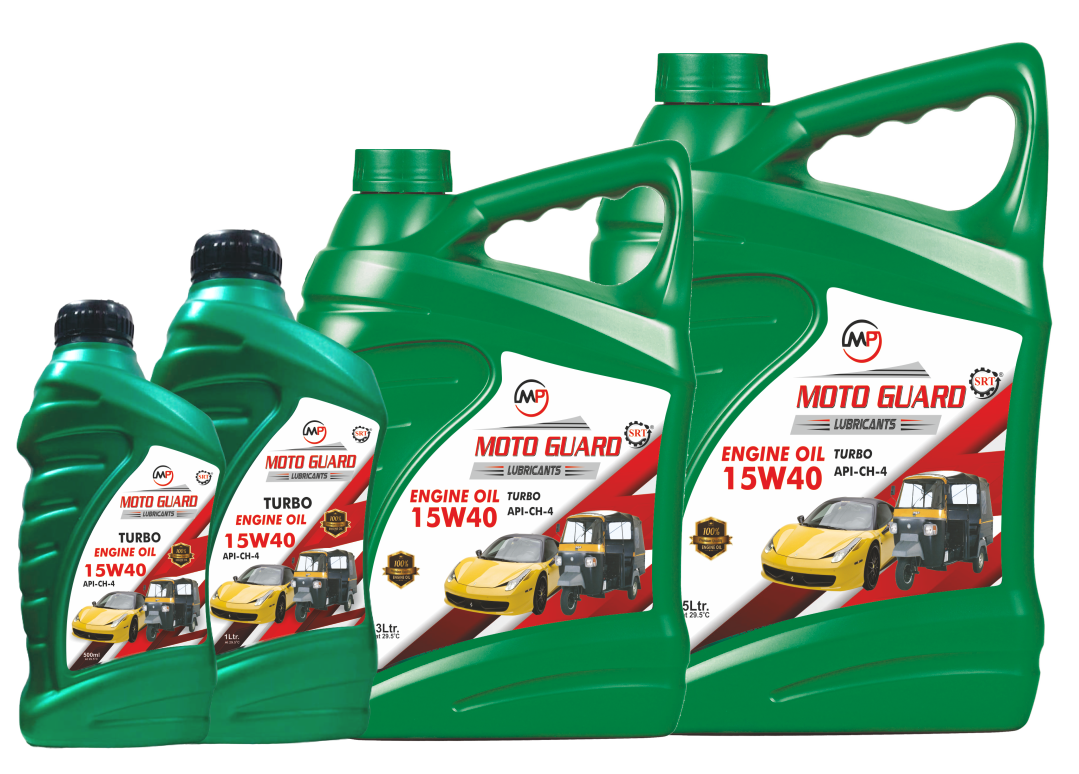
In today’s automotive world, Synthetic Engine Oil has become the preferred choice for modern engines. Whether you drive a passenger car, a commercial vehicle, or operate industrial machinery, the right lubricant plays a crucial role in engine performance and longevity. At Shri Rattan Traders, we provide high-quality synthetic engine oils designed to deliver superior protection, durability, and efficiency.
What is Synthetic Engine Oil?
Synthetic engine oil is a specially engineered lubricant made from chemically modified base oils and advanced additives. Unlike conventional mineral oil, which is refined directly from crude oil, synthetic oil is designed in laboratories to deliver consistent molecular structure and enhanced performance.
This controlled formulation allows synthetic oil to perform better under extreme temperatures, high pressure, and demanding driving conditions.
Types of Synthetic Engine Oil
Understanding the types of synthetic engine oil helps you choose the right option for your vehicle or machinery.
1. Full Synthetic Oil
Full synthetic oil is manufactured entirely from synthetic base stocks. It offers:
- Excellent viscosity stability
- Superior high-temperature resistance
- Outstanding wear protection
- Better oxidation resistance
It is ideal for high-performance cars, turbocharged engines, and heavy-duty applications.
2. Synthetic Blend Oil
Synthetic blend oil combines synthetic base oils with conventional mineral oil. It provides:
- Improved protection over regular oil
- Better temperature stability
- More affordable pricing compared to full synthetic
This option is suitable for daily drivers and moderate operating conditions.
At Shri Rattan Traders, we help customers select the right type based on engine specifications and usage requirements.
Key Properties of Synthetic Engine Oil
Viscosity Stability
Synthetic oils maintain consistent thickness across a wide temperature range. This ensures smooth lubrication during cold starts and reliable protection in extreme heat.
High-Temperature Resistance
These oils resist thermal breakdown better than conventional oils. This makes them ideal for engines operating in hot climates or under heavy loads.
Enhanced Wear Protection
Advanced additive packages reduce friction between engine components, minimizing wear and extending engine life.
Superior Engine Cleanliness
Synthetic oils offer better detergency. They prevent sludge formation and keep engine parts clean, improving overall efficiency.
Is Synthetic Engine Oil Really Better?
A common question among vehicle owners is whether synthetic oil is truly superior or just more expensive.
Industry professionals often point out that synthetic oils generally have:
- Higher viscosity index
- Better oxidation resistance
- Improved cold-flow properties
- Longer service intervals
However, engine performance also depends heavily on additive chemistry and proper maintenance schedules. While synthetic oil may cost more initially, it can reduce engine wear, improve fuel efficiency, and extend oil change intervals—making it cost-effective in the long run.
Applications of Synthetic Engine Oil
Passenger Vehicles
Modern petrol and diesel cars benefit from synthetic oil’s improved lubrication and fuel efficiency.
High-Performance Vehicles
Sports cars and motorcycles generate higher temperatures. Synthetic oil withstands these stresses effectively.
Commercial Vehicles
Trucks and buses operating long hours under heavy loads require durable lubrication to minimize downtime.
Industrial Machinery
Synthetic oils are widely used in industrial engines for consistent performance under demanding conditions.
Maintenance Tips for Best Results
To maximize the benefits of synthetic engine oil:
- Follow manufacturer-recommended oil change intervals.
- Check oil levels regularly.
- Store oil in a cool, dry place.
- Dispose of used oil responsibly at authorized recycling centers.
Proper handling ensures optimal performance and environmental safety.
Why Choose Shri Rattan Traders?
At Shri Rattan Traders, we prioritize quality, reliability, and customer satisfaction. Our synthetic engine oils are sourced from trusted manufacturers and designed to meet modern engine standards. Whether you need oil for personal vehicles or commercial fleets, we provide expert guidance and competitive pricing.
FAQs About Synthetic Engine Oil
1. How often should synthetic engine oil be changed?
Most vehicles using synthetic oil can go between 8,000 to 15,000 km, depending on manufacturer recommendations and driving conditions.
2. Can I switch from conventional oil to synthetic oil?
Yes, most modern engines can safely switch to synthetic oil. However, always consult your vehicle’s manual before changing oil types.
3. Is synthetic engine oil suitable for older vehicles?
It can be used in older engines, but if the engine has high mileage or leaks, consult a mechanic before switching.
4. Does synthetic oil improve fuel efficiency?
Yes, due to reduced friction and better viscosity control, synthetic oil can contribute to improved fuel economy.
5. Is synthetic oil environmentally friendly?
While it is still petroleum-based, its longer lifespan and improved efficiency can reduce overall oil consumption.
For premium-quality Synthetic Engine Oil, contact Shri Rattan Traders today and ensure superior engine protection and performance.