Electromagnetic Spectrum Management Is Strengthening Next-Generation Communication and Defence Systems
Explore the Electromagnetic Spectrum Management Market, driven by 5G deployment, AI-powered spectrum monitoring, defence modernization, satellite communications, and growing demand for efficient spectrum utilization through 2032.
 adamwilliamson
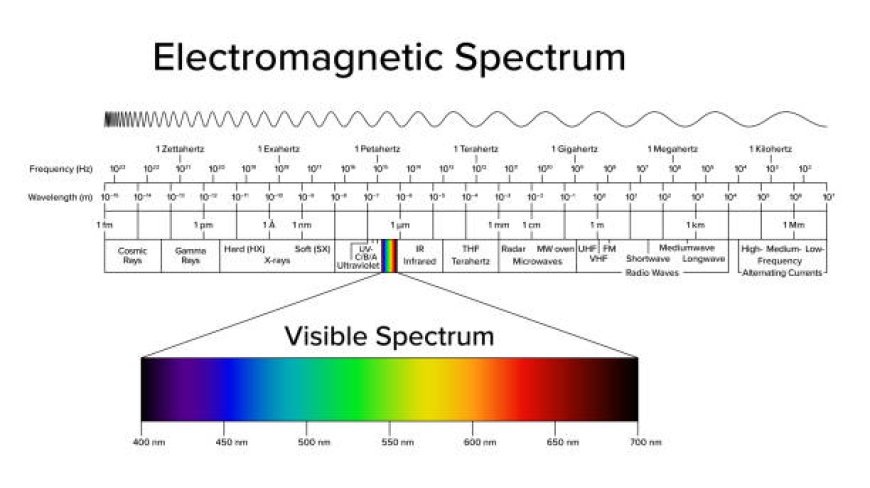
Electromagnetic spectrum management has become a critical capability for governments, defence organizations, communication providers, and critical infrastructure operators as wireless connectivity and advanced electronic systems continue expanding. Efficient management of spectrum resources enables reliable communications, reduces interference, supports secure information exchange, and improves the operational effectiveness of modern electronic systems. Increasing deployment of wireless technologies, growing defence requirements, and rising dependence on spectrum-based services are accelerating investments in advanced spectrum management solutions.
According to a study published by Vyansa Intelligence, the Electromagnetic Spectrum Management Market size was valued at USD 8.55 Billion in 2025 and is projected to reach USD 15.8 Billion by 2032, expanding at a CAGR of 9.17% during 2026-2032.
Rising demand for efficient spectrum utilization, increasing adoption of advanced communication networks, and growing focus on electronic warfare capabilities continue to support the Electromagnetic Spectrum Management Market growth.
Spectrum Optimization Is Becoming Essential for Digital Connectivity
The electromagnetic spectrum supports a wide range of applications, including wireless communication, satellite connectivity, radar systems, navigation services, broadcasting, and defence operations. As the number of connected devices increases, competition for available spectrum resources continues intensifying.
Spectrum management solutions help organizations monitor, allocate, optimize, and protect frequency resources to ensure reliable performance. These systems combine software platforms, analytics, monitoring tools, and automation technologies to improve spectrum visibility and reduce interference risks.
These evolving requirements are influencing Electromagnetic Spectrum Management Market trends as industries and governments focus on improving spectrum efficiency.
Defence Modernization Drives Advanced Spectrum Capabilities
Defence organizations rely heavily on electromagnetic spectrum access for communication, surveillance, navigation, electronic intelligence, and electronic warfare operations. Modern military environments require advanced spectrum management capabilities to maintain operational superiority while protecting critical communication networks.
Electronic warfare has increased the importance of real-time spectrum monitoring, threat identification, and adaptive communication technologies. Defence forces are investing in solutions that provide improved situational awareness and enable faster responses to electromagnetic threats.
NATO continues emphasizing electromagnetic warfare capabilities, secure communications, and operational resilience among allied forces. These priorities are encouraging greater investment in advanced spectrum management technologies.
Expansion of Wireless Networks Increases Spectrum Demand
The continued deployment of wireless technologies, including 5G networks, private communication networks, Internet of Things (IoT) systems, and connected infrastructure, is increasing demand for effective spectrum coordination.
The International Telecommunication Union (ITU) plays a central role in global radio frequency management by establishing international frameworks for spectrum allocation and coordination. These efforts help countries and industries maximize spectrum availability while minimizing cross-border interference.
As wireless connectivity expands across transportation, healthcare, manufacturing, and smart infrastructure applications, spectrum management solutions are becoming increasingly important for maintaining reliable network performance.
These developments continue strengthening the Electromagnetic Spectrum Management Market forecast as organizations seek advanced tools for spectrum planning and optimization.
Artificial Intelligence Is Transforming Spectrum Monitoring
Artificial intelligence and machine learning are improving electromagnetic spectrum management by enabling automated analysis, anomaly detection, predictive interference management, and real-time decision-making.
AI-powered systems can analyze large volumes of spectrum data to identify unusual activity, optimize frequency allocation, and improve operational efficiency. These capabilities are particularly valuable in complex environments where multiple communication systems operate simultaneously.
Automation is reducing the need for manual spectrum monitoring while improving response times and accuracy. The integration of artificial intelligence with spectrum management platforms is expected to accelerate innovation across defence, telecommunications, and industrial applications.
Satellite Communication Creates New Spectrum Challenges
The rapid expansion of satellite communication networks is increasing demand for effective spectrum coordination. Satellite systems require carefully managed frequency allocation to prevent interference and maintain reliable global connectivity.
The growth of satellite internet services, Earth observation systems, and defence-related space capabilities is increasing the complexity of spectrum management. International coordination is becoming increasingly important as more satellite operators deploy advanced communication systems.
The European Space Agency (ESA) continues supporting satellite technology development and space communication initiatives, highlighting the importance of efficient spectrum utilization within the expanding space ecosystem.
Regulatory Frameworks Support Efficient Spectrum Use
Governments and regulatory authorities worldwide are developing policies to improve spectrum efficiency and support emerging technologies. Spectrum allocation frameworks influence the deployment of wireless networks, defence systems, satellite services, and industrial communication solutions.
Regulatory organizations continue balancing commercial demand, national security requirements, scientific applications, and public communication needs. Efficient spectrum governance enables innovation while protecting critical services from interference.
These regulatory developments encourage organizations to adopt advanced spectrum monitoring and management solutions.
Competitive Landscape
Competition within the industry focuses on spectrum monitoring capabilities, software intelligence, cybersecurity features, analytics platforms, and integration with communication networks. Companies continue developing solutions that improve real-time visibility, automate spectrum operations, and support complex electromagnetic environments.
Strategic collaborations among defence agencies, telecommunications providers, technology companies, and research institutions are accelerating innovation across spectrum management technologies.
Future Direction
The future of electromagnetic spectrum management will be shaped by artificial intelligence, advanced analytics, 5G and future communication networks, satellite expansion, and increasing electronic warfare requirements. Organizations will increasingly rely on automated and intelligent spectrum solutions to manage complex electromagnetic environments.
As dependence on wireless technologies continues expanding, effective spectrum management will remain essential for communication reliability, defence readiness, and digital infrastructure development. These developments position the Electromagnetic Spectrum Management Market for continued advancement through technological innovation and increasing adoption.
Conclusion
Electromagnetic spectrum management has become a strategic capability supporting modern communication systems, defence operations, and digital infrastructure. Growing wireless connectivity, defence modernization, satellite expansion, and artificial intelligence integration are driving demand for advanced spectrum management solutions. As electromagnetic environments become more complex, efficient spectrum utilization will remain critical for maintaining secure, reliable, and high-performance communication networks.