Environmental Site Assessment Timeline and Costs in Calgary
Understand environmental site assessment timelines and costs in Calgary, including Phase 1 and Phase 2 ESA duration, pricing ranges, and key factors that affect project budgets and approvals.
 joesmith
Environmental due diligence has become a critical step in commercial real estate transactions across Calgary. Whether you are purchasing industrial land, redeveloping a brownfield site, refinancing a commercial asset, or preparing for a property sale, understanding the environmental site assessment timeline and costs in Calgary is essential. Lenders, developers, investors, and property owners all rely on these assessments to manage risk, ensure regulatory compliance, and protect long-term asset value.
In Alberta, environmental assessments are closely tied to the requirements of Alberta Environment and Protected Areas, municipal regulations, and national standards such as those issued by the Canadian Standards Association. While the process follows a structured framework, timelines and costs can vary significantly depending on site history, property size, and complexity.
What Is an Environmental Site Assessment?
An Environmental Site Assessment, often referred to as an ESA, is a systematic process used to evaluate the environmental condition of a property. In Calgary, ESAs are typically required during commercial real estate transactions, property refinancing, land development, or when there is suspected contamination.
The goal is to identify potential or existing environmental contamination liabilities. These may include soil contamination, groundwater impacts, underground storage tanks, hazardous building materials, or historical industrial activities that could pose risks.
Environmental assessments are usually completed in phases, beginning with a non-intrusive review and escalating to more detailed investigation if necessary.
Phase I Environmental Site Assessment: Timeline and Cost in Calgary
A Phase I Environmental Site Assessment is the first and most common level of environmental due diligence. It does not involve soil sampling or drilling. Instead, it focuses on research, site inspection, and historical analysis.
In Calgary, a Phase I ESA generally takes between two and four weeks to complete. The timeline depends on factors such as property size, historical land use complexity, access to records, and availability of municipal documentation. Properties located in older industrial zones or near rail corridors may require more extensive historical review, which can extend the timeline.
The process typically includes a site visit by a qualified environmental consultant, review of historical aerial photographs, land title records, fire insurance maps, regulatory databases, and interviews with current or past property owners. The consultant evaluates whether any Recognized Environmental Conditions exist.
The cost of a Phase I ESA in Calgary typically ranges between $2,500 and $4,500 for standard commercial properties. Larger industrial sites, multi-parcel properties, or properties with complex histories can exceed $6,000. Pricing depends on the size of the site, document availability, and reporting requirements from lenders or stakeholders.
When Does Further Investigation Become Necessary?
If the Phase I assessment identifies potential contamination risks, further investigation is required. This is where subsurface testing becomes necessary. Lenders and investors will not proceed with financing if material environmental risks remain unresolved.
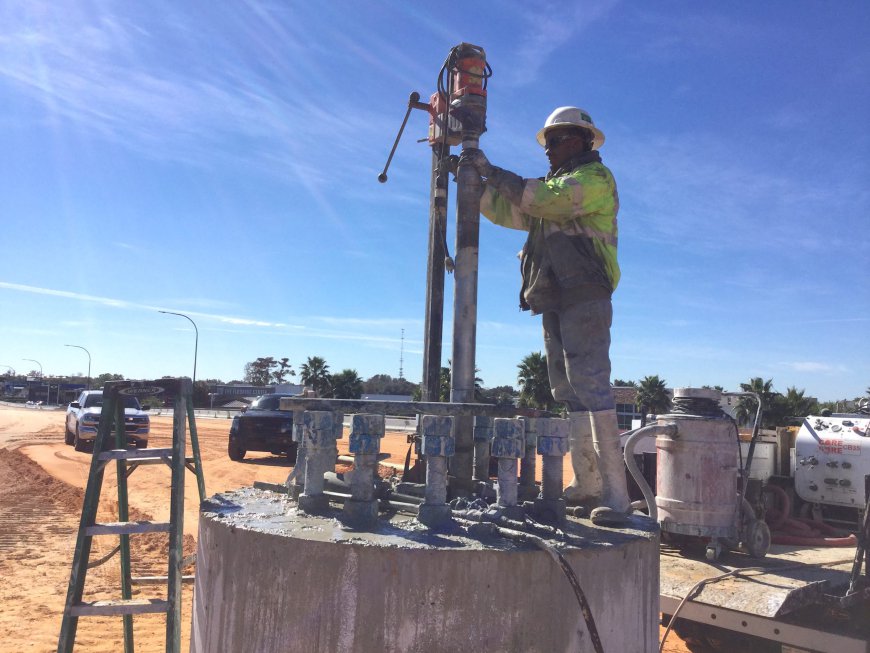
In these cases, a phase 2 environmental site assessment is conducted to confirm the presence or absence of contamination. This stage involves soil drilling, groundwater monitoring wells, laboratory testing, and detailed analysis.
Because this phase involves fieldwork, specialized equipment, and laboratory costs, both the timeline and budget increase significantly.
Phase II Environmental Assessment: Timeline in Calgary
The timeline for a Phase II investigation in Calgary can range from four to twelve weeks. This includes project planning, utility clearance, drilling permits, fieldwork scheduling, laboratory analysis, and final reporting.
Seasonal conditions in Alberta can influence scheduling. Winter drilling in frozen ground conditions may increase costs and extend timelines. Access constraints, site traffic, and subsurface conditions can also impact efficiency.
Laboratory turnaround times generally range from one to three weeks, depending on sample volume and required analytical parameters. If contamination is detected above regulatory guidelines, further delineation or remediation planning may extend the timeline beyond the initial investigation period.
Phase II Environmental Assessment: Cost Breakdown
Costs for Phase II investigations in Calgary vary widely based on scope. A small commercial site with limited sampling may cost between $15,000 and $30,000. More complex industrial properties can exceed $50,000 or more, particularly if groundwater monitoring wells are required.
Key cost factors include drilling depth, number of boreholes, analytical testing requirements, consultant reporting time, and site restoration after investigation. Properties with suspected petroleum hydrocarbons, volatile organic compounds, or heavy metals typically require more extensive testing.
While the cost may appear significant, the financial risk of purchasing contaminated property without investigation can be substantially higher. Cleanup and remediation costs can easily reach six or seven figures depending on severity.
Regulatory Framework in Calgary and Alberta
Environmental site assessments in Calgary operate within Alberta’s regulatory structure. The Alberta Energy Regulator may become involved if the site relates to upstream oil and gas operations. Municipal development permits may also require environmental review, particularly in redevelopment scenarios.
Guidelines under Alberta’s Environmental Protection and Enhancement Act outline soil and groundwater quality criteria. Environmental consultants align their investigation protocols with provincial Tier 1 and Tier 2 guidelines to determine compliance thresholds.
For sites undergoing redevelopment, a Record of Site Condition or closure documentation may be necessary before development approval is granted.
Factors That Influence Environmental Site Assessment Costs
Several factors influence the total cost and duration of an environmental site assessment in Calgary. Property size is a major variable, as larger sites require more sampling locations and extended fieldwork.
Historical land use is another critical consideration. Former gas stations, dry cleaners, manufacturing plants, rail yards, and automotive facilities typically require more intensive investigation. Urban infill sites in established Calgary neighborhoods may present complex historical usage patterns that require detailed archival research.
Access limitations, site logistics, underground utilities, and proximity to sensitive receptors such as residential areas or water bodies can also increase project scope. Consultant expertise and reporting requirements from lenders further affect pricing.
How Environmental Assessments Impact Real Estate Transactions
In Calgary’s competitive commercial real estate market, environmental due diligence directly affects transaction timelines. Buyers often include environmental conditions in purchase agreements, allowing termination or renegotiation if contamination is identified.
Lenders typically require at least a Phase I ESA before approving financing for commercial or industrial properties. If environmental risks are identified, financing may be delayed until additional investigation is completed.
Environmental clarity can also protect property value. A clean environmental report provides confidence to investors and reduces long-term liability exposure. Conversely, unresolved contamination can significantly reduce asset marketability.
Redevelopment and Brownfield Considerations
Calgary has seen increasing interest in brownfield redevelopment, particularly in former industrial corridors and inner-city districts. Environmental assessments play a foundational role in these projects.
Developers must assess soil and groundwater conditions before rezoning or construction. In some cases, remediation strategies such as soil excavation, risk management plans, or groundwater treatment systems are required before redevelopment proceeds.
Although remediation increases upfront costs, successful cleanup can unlock substantial land value and contribute to sustainable urban development. Municipal incentives and redevelopment grants may offset some of these expenses.
Planning for Environmental Due Diligence in Calgary
Proactive planning can significantly reduce delays and unexpected costs. Engaging a qualified environmental consultant early in the transaction process allows sufficient time for investigation and regulatory review.
Property owners preparing for sale may benefit from commissioning a Phase I assessment before listing. This approach identifies potential concerns in advance and prevents last-minute transaction disruptions.
For buyers, understanding realistic timelines is critical. A straightforward Phase I assessment may take a few weeks, but if further investigation is required, transaction closing dates should allow flexibility for additional work.
Final Thoughts on Timeline and Budget Expectations
Environmental site assessment timelines and costs in Calgary vary depending on property complexity, historical usage, and regulatory requirements. A standard Phase I investigation is relatively affordable and fast, while subsurface investigations involve greater investment and extended scheduling.
However, environmental due diligence should be viewed as risk management rather than an expense. In a city like Calgary, where industrial history and ongoing development intersect, careful assessment protects both financial and environmental interests.
By understanding the process, realistic timelines, and cost drivers, property owners and investors can make informed decisions and move forward with confidence in their real estate transactions.