Essential Medical Gas and Cryogenic Equipment for Healthcare Applications
 medicalgassupplier
 Healthcare facilities require dependable equipment to support critical medical, laboratory, and research activities. From gas delivery and waste evacuation to cryogenic storage, every component must be selected according to its intended purpose and operating environment. Quality equipment can contribute to reliable performance, easier maintenance, and efficient workflows. Understanding different medical gas hoses, installation tools, certifications, and liquid nitrogen storage options allows healthcare organizations to make informed purchasing decisions.
The Role of Medical Gas Hoses
WAGD HOSES are essential components in waste anesthetic gas disposal systems. They are used to transport waste anesthetic gases away from clinical areas and help support an appropriate environment for healthcare professionals and patients. Selecting suitable hoses involves considering flexibility, durability, connection compatibility, pressure requirements, and the conditions in which the hose will operate.
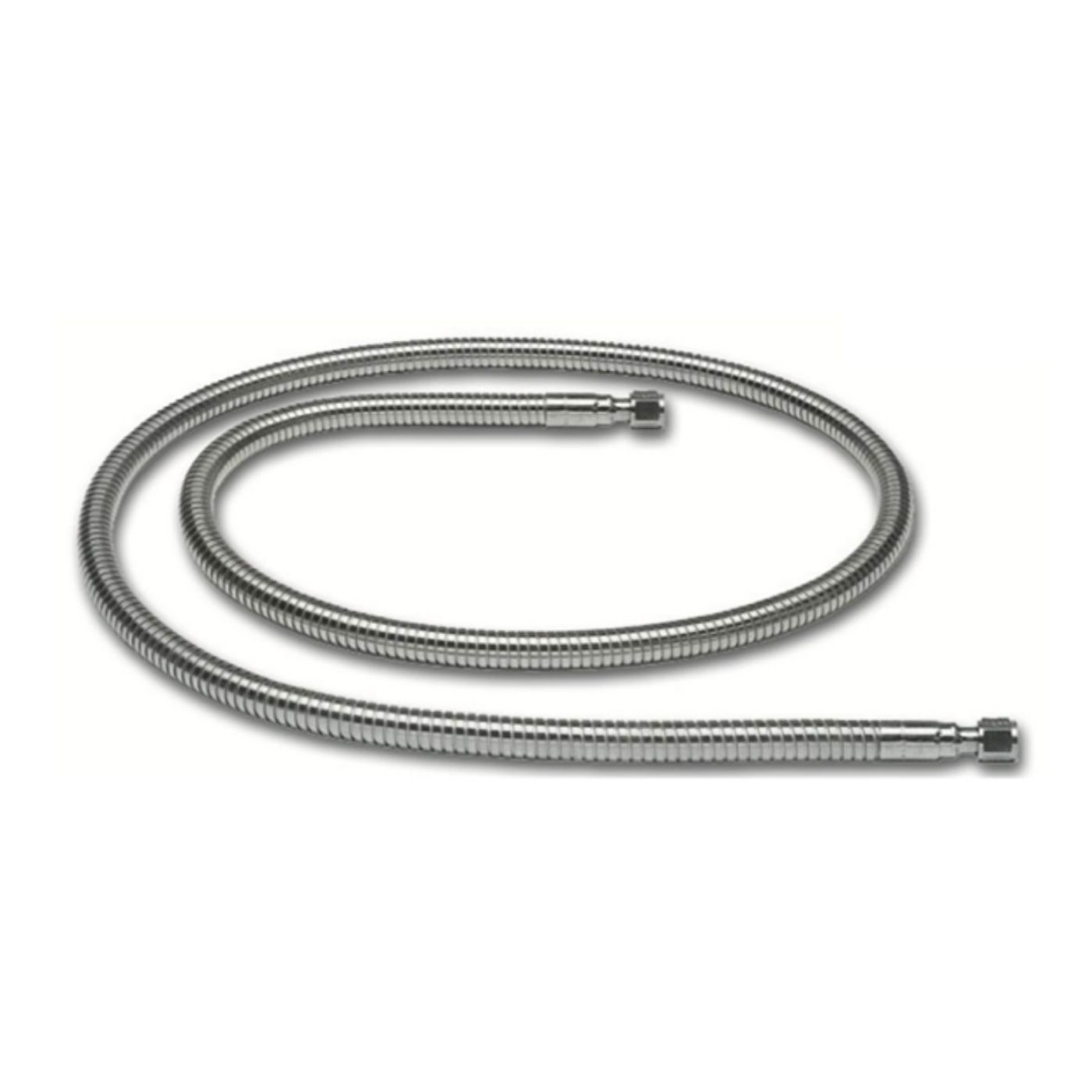
Another important product category is MEDICAL AIR HOSES. These hoses are used in systems that deliver medical-grade compressed air to designated equipment and outlets. Proper product selection is important because medical air applications require components designed for their specific operating conditions. Healthcare facilities should consider hose construction, pressure ratings, fittings, and compatibility before installation.
The broader category of medical hoses covers specialized products used in various healthcare gas applications. Each type can have different specifications depending on the gas, pressure, connection, and intended use. Choosing the correct hose helps support reliable operation and can reduce problems associated with incompatible components.
Why Medical Gas Certifications Matter
Medical gas systems require specialized knowledge and professional installation. asse 6010 is an important reference for individuals involved in medical gas installation and qualification. Professionals working in this field need appropriate training and knowledge to understand installation procedures, testing practices, and applicable requirements.
For healthcare organizations, verifying medical gas certifications is an important step when selecting contractors or technicians. Qualified professionals understand the specialized nature of medical gas systems and the importance of following established procedures. Proper certification can provide greater confidence that installation work is being performed by individuals with relevant expertise.
A qualified medical gas installer can assist with different stages of a medical gas project, including preparation, installation, testing, and related system work. Medical gas infrastructure requires careful attention because errors can affect system reliability and clinical operations. Professional installers should therefore work with appropriate materials, tools, and procedures.
Choosing Installation Kits
Having the correct tools is essential for efficient medical gas work. A medical gas installers kit can provide professionals with equipment needed for common installation and maintenance tasks. The contents of a kit can vary according to the application, but specialized tools can help technicians perform work with greater organization and accuracy.
An ASSE 6010 Install Kit can also be valuable for qualified professionals working on medical gas systems. Properly selected tools can simplify installation activities and support consistent workmanship. Before purchasing a kit, professionals should review the requirements of their projects and confirm that the included equipment matches their intended applications.
Broward A&C Medical Supply offers products designed to support medical gas professionals and healthcare facilities. Working with an experienced supplier can make it easier to identify suitable components and equipment based on specific operational requirements.
Liquid Nitrogen Storage Considerations
Medical laboratories, research centers, biotechnology facilities, and healthcare organizations may also require cryogenic storage systems. liquid nitrogen storage containers are specially designed to maintain liquid nitrogen at extremely low temperatures. They can be used for storing biological specimens, research materials, and other temperature-sensitive substances.
Effective ln2 storage requires appropriate containers and carefully managed procedures. Liquid nitrogen is extremely cold and can create serious safety concerns if handled incorrectly. Facilities should ensure that storage areas are appropriate, adequately ventilated, and managed by trained personnel. Employees should understand the risks associated with cryogenic materials and follow established handling procedures.
When choosing cryogenic storage equipment, organizations should evaluate capacity, insulation performance, holding time, accessibility, construction quality, and intended application. Selecting the appropriate container can help maintain stable storage conditions while supporting efficient laboratory workflows.
Understanding Brymill Equipment
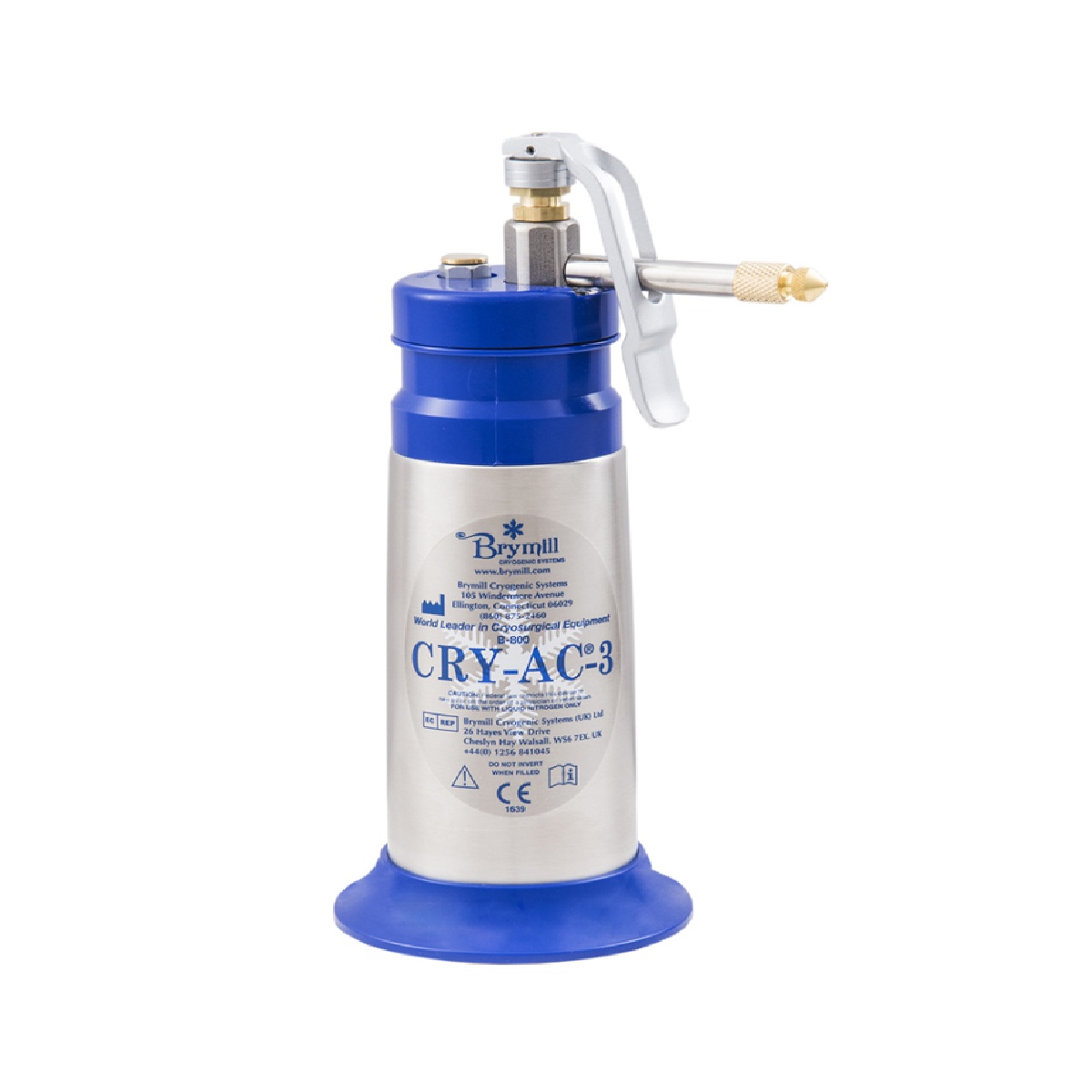
The term brymill is associated with specialized cryogenic equipment used in applications involving liquid nitrogen. Professionals should evaluate cryogenic equipment according to their specific procedures and operational requirements. The right equipment can improve convenience and support controlled handling of cryogenic materials.
Broward A&C Medical Supply can serve as a resource for organizations seeking medical gas and cryogenic products. Careful product evaluation is particularly important when equipment will become part of an established medical or laboratory system.
Making an Informed Product Selection
Selecting medical gas and cryogenic equipment should involve more than comparing purchase prices. Organizations should examine product specifications, compatibility, durability, installation requirements, maintenance needs, and applicable professional standards. A product that is appropriate for one application may not necessarily be suitable for another.
For example, WAGD HOSES should be selected according to waste anesthetic gas disposal requirements, while MEDICAL AIR HOSES need to match medical air applications. Professionals using medical hoses should verify specifications before installation to ensure the products are appropriate for their intended service.
Similarly, understanding asse 6010 and maintaining relevant medical gas certifications can help professionals approach installation responsibilities more effectively. Appropriate tools, including a medical gas installers kit and ASSE 6010 Install Kit, can further support professional installation work.
For laboratory applications, carefully selected liquid nitrogen storage containers can support dependable ln2 storage. Facilities using brymill equipment should likewise consider product specifications and operational requirements before implementation.
Reliable medical infrastructure depends on quality components, appropriate tools, qualified professionals, and responsible procedures. By carefully evaluating medical gas hoses, installation equipment, certifications, and cryogenic storage solutions, healthcare and laboratory organizations can create systems that support dependable performance and efficient daily operations. A professional approach to equipment selection ultimately helps protect valuable resources while supporting the demanding requirements of modern medical environments.