Everest Base Camp Trek Solo Travel Safety Tips and Smart Guide
Planning a solo Everest Base Camp Trek? Learn essential safety tips, altitude awareness, route planning, and smart travel advice for a safe adventure.
 khusbuddin
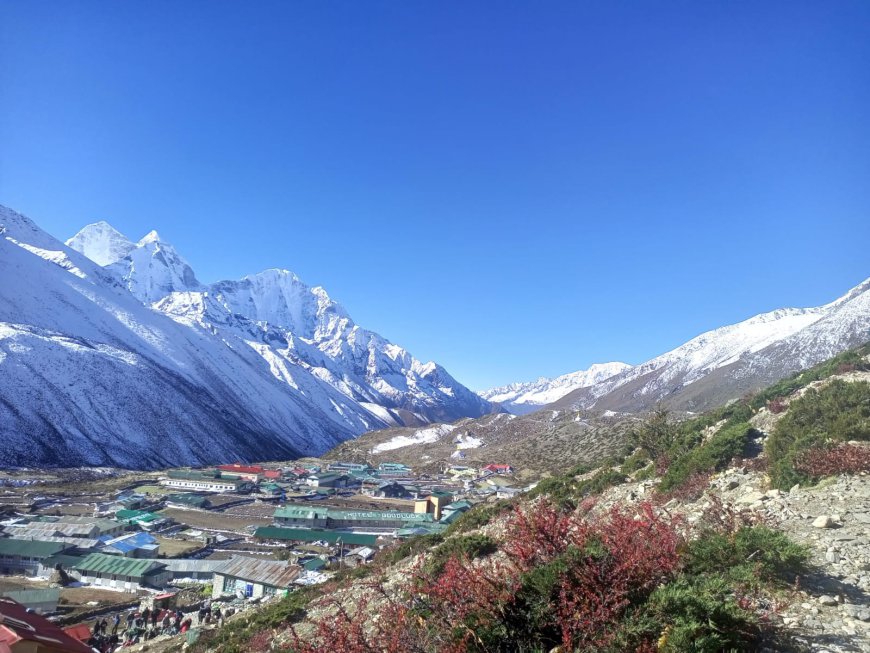
Solo trekking to Everest Base Camp is a popular choice for experienced hikers who want freedom and flexibility. The journey toward the base of the world’s highest mountain, Mount Everest, is possible without joining a group, but it requires careful planning and strong awareness of safety. The trail is well-marked, but the high altitude and remote environment still demand responsibility.
Is Solo Trekking to Everest Base Camp Safe?
Solo trekking is generally safe because the Everest route is one of the most traveled trekking paths in Nepal. Villages like Namche Bazaar and Dingboche are well-established stops with tea houses and fellow trekkers. However, safety depends on preparation, weather conditions, and personal experience. Beginners are usually advised to hire a guide.
Importance of Planning Your Route
Even when trekking solo, planning your itinerary in advance is essential. Knowing daily stops, acclimatization points, and walking distances helps prevent confusion on the trail. Proper planning ensures safe progression through high-altitude areas like Kala Patthar where weather and altitude can change trekking conditions quickly.
Managing Altitude Risks Alone
Altitude sickness is the biggest challenge for solo trekkers. Without a guide, you must carefully monitor your health and recognize symptoms early. Rest days in places like Dingboche are very important. If symptoms worsen, descending immediately is the safest action, even if it means changing your plan.
Staying in Contact While Trekking Solo
Communication is important when trekking alone. Mobile signals are available in lower regions like Namche Bazaar but become weaker at higher altitudes. Carrying a local SIM card and informing family about your itinerary helps maintain safety. Some trekkers also use offline maps for navigation.
Choosing Accommodation Safely
Tea houses are safe and widely available along the trail. When trekking solo, it is better to stay in well-known villages where other trekkers are present. This provides added safety and support if needed. Higher areas like Gorak Shep may have limited options, so planning ahead is important.
Carrying Emergency Supplies
Solo trekkers should always carry a basic first aid kit, extra snacks, water purification tablets, and warm clothing. Weather in the Himalayas can change quickly, especially near Mount Everest. Being self-sufficient helps handle unexpected situations safely.
Navigation Tips for Solo Trekkers
The Everest Base Camp trail is well-marked, but fog or snow can sometimes make navigation difficult. Using offline maps and following other trekkers on the route can help avoid getting lost. Staying on the main trail is important for safety, especially in remote sections.
Weather Awareness and Decision Making
Solo trekkers must pay close attention to weather updates. Sudden storms or heavy snow can make trails dangerous. In such situations, it is better to wait in safe locations like Dingboche rather than pushing forward. Good decision-making is a key part of safe solo trekking.
Mental Strength for Solo Travel
Solo trekking requires strong mental resilience. Long walking days, isolation in high areas, and physical fatigue can be challenging. Staying positive and flexible with plans helps maintain motivation throughout the journey.
Final Thoughts on Solo Trekking Safety
Solo trekking to Everest Base Camp can be a rewarding experience for prepared and confident trekkers. With proper planning, awareness of altitude risks, and careful decision-making, the journey remains safe and enjoyable. From the trails of Namche Bazaar to the high landscapes near Mount Everest, solo trekking offers freedom, adventure, and a deep personal connection with the Himalayas.