Filtered Cat Water Fountain A Simple Upgrade Makes Sip Healthier
Filtered cat water fountain systems do much more than circulate water—they create a healthier drinking environment that supports your cat's natural instincts.
 brookfountains
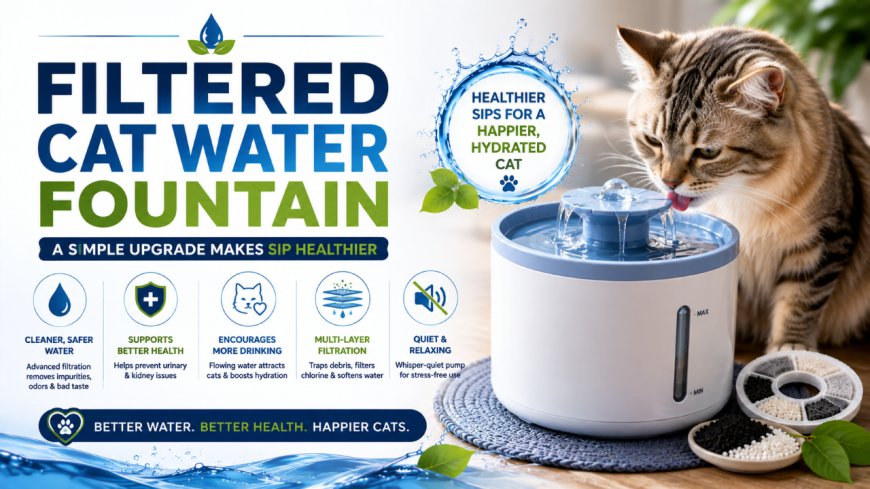
Cats have a reputation for being independent, but when it comes to drinking water, they're surprisingly selective. If your cat ignores a freshly filled bowl but eagerly investigates a dripping faucet, it isn't just a funny habit—it's instinct. Cats naturally prefer fresh, moving water because it feels cleaner and safer than stagnant water. That's why a filtered cat water fountain has become a favorite choice among pet owners who want to improve their cat's daily hydration. By combining continuous water circulation with an effective filtration system, a fountain delivers cleaner, fresher water throughout the day while encouraging your cat to drink more naturally. It's a small change that can make a lasting difference to your pet's overall health.
Why Cats Need More Than a Regular Water Bowl
A traditional water bowl works for a few hours, but once the water sits still, it begins collecting dust, loose fur, tiny food particles, and other everyday debris. Even when the water looks clean, your cat's sensitive sense of smell can detect subtle changes that humans often overlook.
This explains why many cats lose interest in standing water as the day progresses.
A fountain solves this problem by constantly circulating and filtering water, keeping it fresher for much longer.
The Natural Instinct Behind Flowing Water
Thousands of years ago, wild cats relied on streams and flowing rivers because moving water was generally safer than stagnant pools. Although modern cats now live comfortably indoors, that instinct remains surprisingly strong.
Flowing water naturally appears:
-
Cleaner
-
Fresher
-
Cooler
-
Better oxygenated
-
More inviting
That's why many pet owners notice their cats drinking more often after switching to a cat water fountain.
Instead of encouraging your pet to drink, the fountain makes clean water naturally attractive.
What Makes a Filtered Fountain Different?
Unlike a regular bowl, a filtered fountain actively improves water quality throughout the day.
Water continuously moves through an internal filtration system before returning to the drinking surface. During this process, the filter captures common contaminants such as:
-
Pet hair
-
Dust
-
Dirt
-
Food crumbs
-
Small floating particles
The result is water that remains cleaner and fresher for longer periods, creating a healthier drinking environment for your cat.
More Than Just a Water Bowl
A fountain isn't simply another pet accessory.
A quality cat water dish fountain combines circulation, filtration, and constant movement to create a drinking experience that closely resembles natural flowing water.
Many cats begin exploring a fountain almost immediately after it's introduced, while others gradually become more comfortable over a few days. Either way, the gentle movement often encourages consistent hydration without changing your pet's daily routine.
Why Filter Replacement Is So Important
Even the highest-quality fountain depends on regular maintenance.
Over time, filters become filled with the particles they remove from the water. As they become clogged, filtration efficiency decreases and water circulation slows.
Routine water fountain filter replacement helps maintain:
-
Cleaner drinking water
-
Better water circulation
-
Reduced odors
-
Improved filtration performance
-
Longer fountain lifespan
Replacing the filter every two to four weeks is one of the easiest ways to keep your fountain working efficiently.
The Pump Deserves Attention Too
The filter keeps the water clean, but the pump keeps everything moving.
Without continuous circulation, even clean water eventually becomes stagnant.
Like any mechanical component, pumps naturally wear over time.
Common warning signs include:
-
Reduced water flow
-
Loud humming sounds
-
Uneven circulation
-
Weaker waterfall effect
When cleaning no longer restores normal performance, water fountain pump replacement can restore your fountain without replacing the entire system.
Inspired by Fresh, Natural Streams
The philosophy behind brook water is simple.
Fresh, moving water encourages healthier drinking habits than stagnant water sitting in a bowl.
Modern fountains recreate this natural experience by continuously circulating water through a filtration system before returning it to the drinking surface.
The result is water that stays appealing from morning until bedtime.
Common Mistakes Pet Owners Should Avoid
Owning a fountain doesn't eliminate maintenance—it simply makes hydration more effective.
Avoid these common mistakes:
Waiting Too Long to Replace Filters
Dirty filters reduce water quality and increase pump strain.
Ignoring Weekly Cleaning
Mineral buildup and biofilm naturally accumulate over time.
Running the Fountain with Low Water
Low water levels place unnecessary stress on the pump.
Forgetting Pump Maintenance
Occasional cleaning helps maintain quiet operation and strong circulation.
A few minutes of routine care each week can significantly extend the life of your fountain.
Why More Pet Owners Choose Filtered Fountains
Modern pet owners understand that hydration isn't only about providing water—it's about providing water pets actually want to drink.
A filtered fountain offers several advantages:
-
Cleaner drinking water
-
Continuous circulation
-
Better hydration
-
Improved freshness
-
Reduced stagnant water
-
Easier long-term maintenance
Instead of constantly replacing dirty bowl water, owners can rely on a system designed to maintain freshness automatically.
Frequently Asked Questions
1. What is a filtered cat water fountain?
A filtered cat water fountain continuously circulates water through a filter to keep it cleaner and fresher for your cat.
2. Why do cats prefer fountains over bowls?
Cats instinctively prefer moving water because it appears fresher and cleaner than standing water.
3. How often should I replace the fountain filter?
Most filters should be replaced every two to four weeks depending on usage.
4. How often should I clean the fountain?
Weekly cleaning helps maintain proper hygiene and efficient operation.
5. Why is my fountain flowing more slowly?
A clogged filter or dirty pump is usually the most common cause.
6. When should I replace the pump?
If cleaning doesn't restore normal water flow, replacing the pump is usually the best solution.
7. Can multiple cats use one fountain?
Yes. Many fountains are designed specifically for multi-cat households.
8. Does filtered water improve hydration?
Cleaner, fresher water often encourages cats to drink more frequently.
9. Is a filtered fountain difficult to maintain?
No. Most fountains are designed for quick cleaning and simple filter replacement.
10. Is buying a filtered fountain worth it?
Absolutely. It promotes healthier drinking habits while providing cleaner, continuously circulating water.
Conclusion
Filtered cat water fountain systems do much more than circulate water—they create a healthier drinking environment that supports your cat's natural instincts. With continuous water movement, proper filtration, regular water fountain filter replacement, and timely water fountain pump replacement, your fountain can continue providing clean, refreshing water every day. Investing in a quality fountain today is a simple step toward better hydration, improved wellness, and a happier, healthier cat tomorrow.