Why Prospects Skip Sales Meetings and What to Do Next
Sales meeting no-shows can slow pipeline growth and reduce revenue. Discover the most common reasons prospects skip meetings and learn practical strategies to improve attendance, strengthen engagement, and convert more qualified leads into sales opportunities.
 intent Flow Media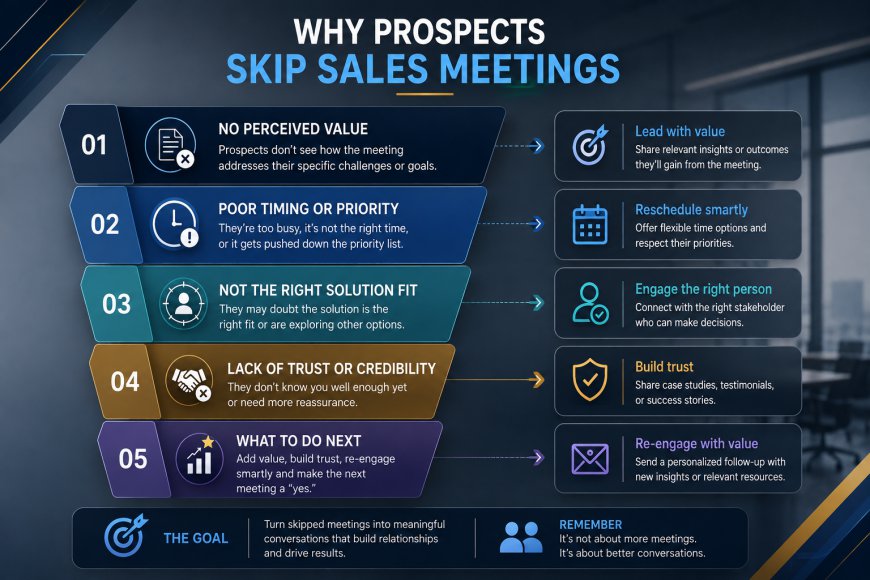
Introduction
Every sales meeting set is another step closer to closing a contract. They’ve both decided on a time to connect, emails have been sent, and the calendar invite has been accepted. They all appear good on paper. The prospect doesn’t show up when the meeting begins.
The truth is that most prospects don’t want to blow off your meeting. Their priorities change, internal conversations take longer than they thought they would, or they simply haven’t reached the point where they’re ready to have a sales conversation. Companies that enhance their appointment setting services, lead nurturing & outreach, buyer intent data, and demand generation services generally minimize no-show rates since they work on prepping prospects before the appointment is scheduled.
The first step in making conversations that actually happen is understanding the reasons that meetings are missed.
The Real Cost of a Missed Sales Meeting
A missed appointment is bigger than a sales person’s schedule.
If the prospect does not show up, you lose critical prep time. Sales managers can’t predict pipelines accurately, marketing efforts don’t work, and follow-up sequences run longer than they should.
More crucially, repeated no-shows can create the perception that lead quality is low, while the underlying issue may be the engagement process leading up to the meeting.
Instead of asking, "Why didn't they attend?" successful teams pose a better question:
"Did we give the prospect enough reasons to attend?"
That small shift in thinking often changes the outcome.
Not Every "Yes" Means They're Ready
One of the biggest fallacies in B2B sales is equating reserving a meeting with buying.
Prospects consent to a meeting because:
• They are creating tomorrow’s solutions.
• They were requested by someone at work to complete a vendor review.
• They downloaded a resource and wanted to respond.
• They’re shopping around multiple services before deciding.
Interest and preparedness are not the same.
In general, sales teams see better attendance and more productive talks when prospects are qualified well in advance of meetings being scheduled.
Four Reasons Prospects Skip Sales Meetings
1. The Meeting Solves Your Problem, Not Theirs
Many meeting invitations explain what the salesperson wants to discuss rather than what the prospect will gain.
Instead of saying:
"Let's schedule a 30-minute demo."
Try explaining the outcome:
"We'll review how companies in your industry reduced response times by improving their lead qualification process, and we'll identify opportunities specific to your business."
People attend meetings when they expect to leave with something valuable.
2. Too Much Time Passed
A meeting scheduled 2 weeks in advance might quickly lose its steam.
Priorities change, projects change, and urgent matters take over at the time.
Rather than becoming silent once the calendar invite is accepted, keep the conversation casual.
A quick industry insight, topical article, or success story keeps the conversation going without overloading the prospect.
3. The Wrong Person Accepted the Invitation
Sometimes the meeting is set with someone who doesn’t have the authority to buy.
Even if they are intrigued, internal approvals or a change in priorities can lead to a cancellation or a no-show.
That’s why it is so important to identify stakeholders early.
Ask queries such as
• Who else will be involved in this?
• How are similar judgments frequently made?
• What are the challenges for this project?
Good context before wasting everyone's time.
4. There Was No Sense of Urgency
Busy professionals tend not to attend meetings if they may be missed without consequence.
Urgency is not created by pressure; urgency is created by relevance.
Help prospects realize why the conversation matters now, not next year.
You need to know what value is going in, whether it’s solving an operational problem, boosting efficiency, or capturing revenue opportunities you’re missing.
What High-Performing Sales Teams Do Differently
Companies with a high attendance usually don’t consider reminder emails to be enough.
They build an experience that occurs between the booking time and the meeting time that keeps the person interested.
Their best practices are
• Customized meeting agenda.
• Sharing an appropriate case study ahead of the call.
• Business goals before initiation.
• Reschedule flexibly.
• Personalized communication, not automated communication.
These simple acts generate "commitment," not “obligation.”
The Follow-Up After a No-Show Matters More Than You Think
One missed meeting doesn’t mean a prospect is out of your pipeline.
Don’t write an email asking why they didn’t come; realize that schedules change.
A basic message does well:
"I get it; it gets busy. Let me know if you’re still interested in having this talk, and I’m happy to locate a time that works for you. In the meantime, here's a small resource that might help with the difficulty we mentioned."
This is a good way to maintain the relationship positive, and be professional.
Many opportunities are regained due to intelligent follow-up rather than aggressive persistence.
Build Relationships Before You Book Meetings
The best sales discussions don’t begin with a calendar invite.
It begins with trust.
When prospects are consistently provided with good insights, instructive content, and relevant communication, organizing a meeting feels like the logical next step and not a sales obligation.
That’s why the best organizations invest in consistent engagement long before they ask for thirty minutes of someone’s time.
The encounter is the continuation of the discourse, not the beginning.
Frequently Asked Questions
1. Why do prospects miss scheduled sales meetings?
Common reasons include changing business priorities, unclear meeting value, poor qualification, scheduling conflicts, or a lack of engagement before the meeting.
2. How can businesses reduce sales meeting no-shows?
Improve lead qualification, explain the value of the meeting, send personalized reminders, share helpful resources, and make it easy for prospects to reschedule.
3. Should sales teams continue following up after a missed meeting?
Yes. A polite and helpful follow-up often reopens the conversation. Many prospects miss meetings because of timing rather than lack of interest.
4. Does lead nurturing improve meeting attendance?
Absolutely. Consistent communication builds trust and keeps prospects engaged, making them more likely to attend scheduled conversations.
5. What's the best KPI for measuring meeting success?
Instead of measuring meetings booked, track completed meetings, qualified opportunities created, conversion rates, and pipeline contribution.
Final Thoughts
Prospects don’t easily cancel meetings. It’s not the calendar invitation that’s the problem. It’s all the things that preceded the calendar invitation. Companies that focus on having meaningful discussions, rather than simply trying to fulfill quotas, build stronger relationships, enhance attendance, and get better sales results over the long term.
By combining Appointment Setting Services, Lead Nurturing & Outreach, Buyer Intent Data, and Demand Generation Services, enterprises can find eligible prospects, keep them engaged throughout the buying experience, and turn more scheduled meetings into significant business possibilities. Forget about pursuing missed appointments; develop enough trust that prospects want to show up.