Premium Surgical Instruments: A Comprehensive Guide to Forceps
In the surgical and medical operations, accuracy is a critical consideration. All instruments have an important role in delivering successful operations, and one such instrument is the thumb forceps.
 greymed0
GREY MEDICAL: Welcome to Grey Medical, your trusted partner in premium-quality surgical instruments. With decades of experience in the medical industry, we pride ourselves on delivering precision-crafted tools designed to meet the rigorous demands of surgeons, doctors, and medical professionals worldwide. In modern medicine, choosing the right instrument is crucial for successful clinical outcomes, and understanding the variety of forceps types is essential for any surgical team looking to optimize efficiency and safety.
Controlling Hemorrhage with Specialized Hemostatic Tools
Hemostatic forceps play a vital role in surgical procedures by controlling bleeding and clamping blood vessels. These are among the most common forceps types used in operating rooms globally, featuring locking mechanisms that allow surgeons to keep the instrument clamped in place without continuous manual pressure. By securely shutting off blood flow, these tools provide a clear, dry surgical field, allowing the operating team to work with maximum visibility and accuracy.
Grasping and Holding Delicate Tissues Safely
Tissue and grasping forceps are engineered to hold body tissues securely without causing unnecessary trauma or tearing. These specialized surgical forceps types prevent slipping during dissection and suturing, using fine teeth or serrated jaws to grip slippery biological structures. Their ergonomic designs minimize hand fatigue, giving surgeons the exact tactile feedback required to perform delicate maneuvers in tight anatomical spaces.
Handling Dressing Materials and Non-Invasive Tasks
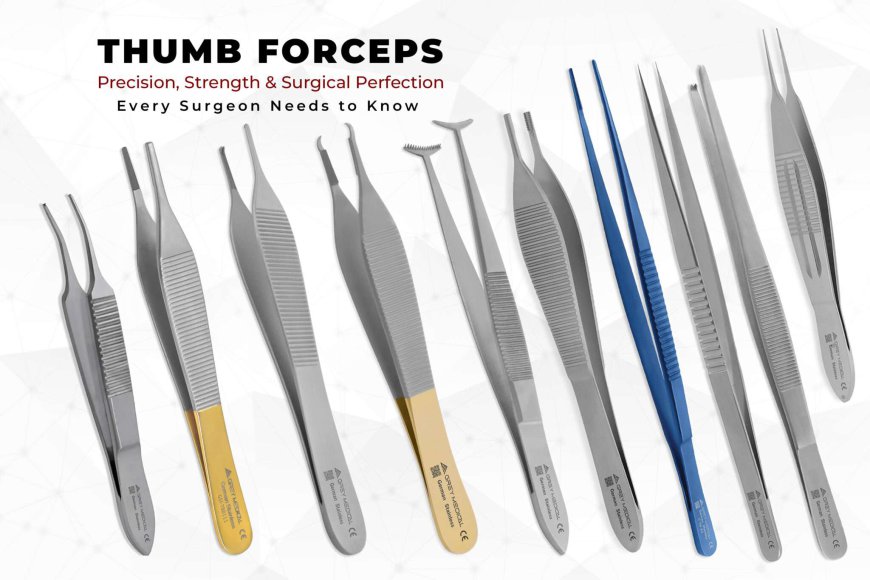
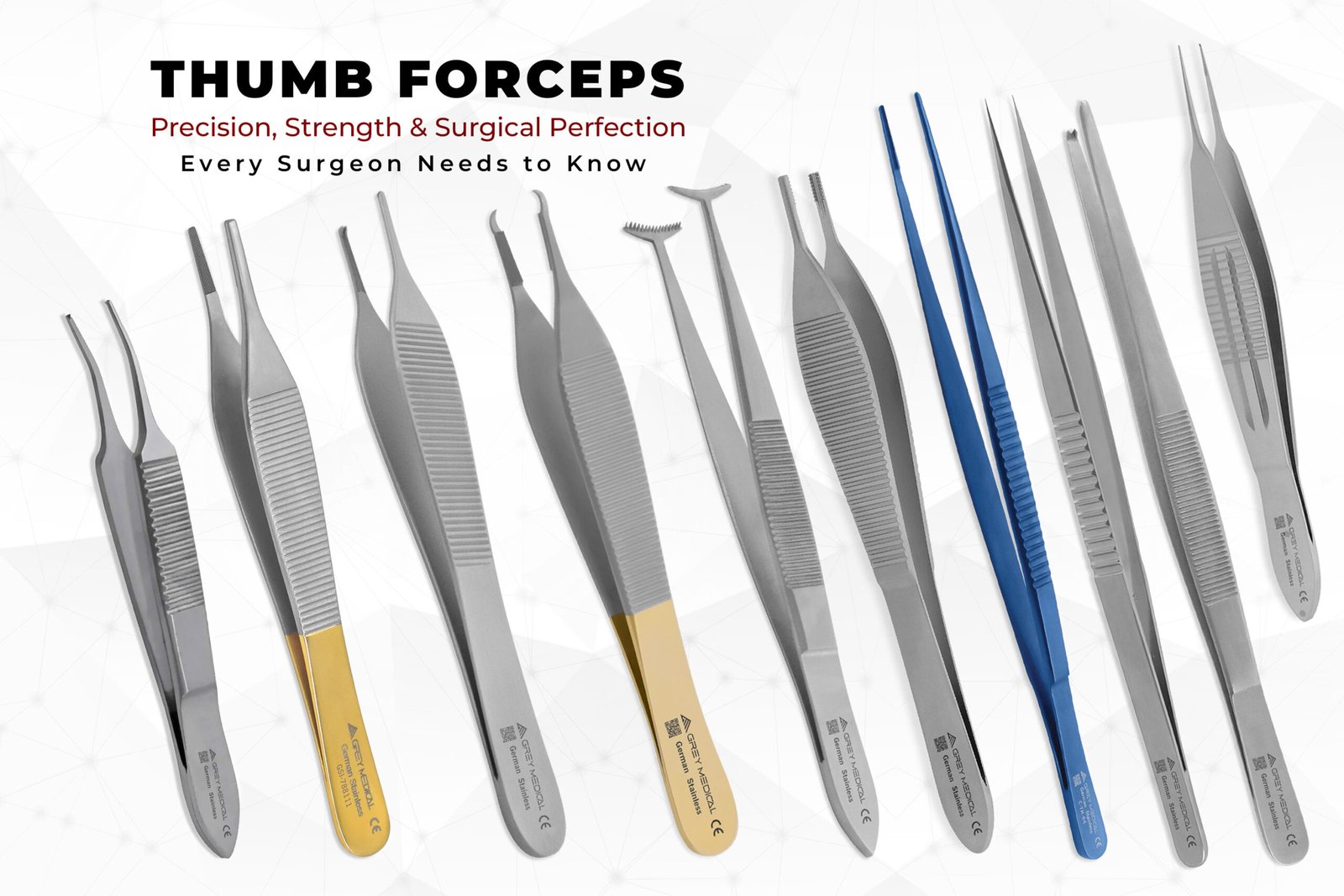
Thumb and dressing forceps are non-locking instruments designed for manipulating wound dressings, packing materials, and handling highly sensitive tissues. These specific forceps types act as extensions of the surgeon’s fingers, offering unparalleled feedback and control when applying sutures or placing gauze. Their forceps ob gyn simple spring-tension design ensures that pressure is directly controlled by the user's grip, making them indispensable for both minor clinic procedures and major operations.
Addressing Unique Needs with Highly Specialized Instruments
Beyond standard general surgery, many clinical departments rely on highly specialized forceps designed for very specific anatomical regions or patient demographics. Obstetric, ophthalmic, and microsurgical instruments fall into this category, each crafted to address unique physical challenges such as narrow channels or incredibly fragile structures. These tools require advanced metallurgy and manufacturing processes to ensure they perform reliably under highly specialized conditions where standard instruments would fail.
Choosing the Proper Instrument for Optimal Surgical Outcomes
Selecting the perfect instrument for a procedure involves considering the tissue density, the surgical approach, and the depth of the surgical site. Matching your clinical needs with the appropriate forceps types ensures not only patient safety but also extends the lifespan of your surgical inventory by preventing improper tool usage. Investing in high-grade materials like German stainless steel guarantees that each tool maintains its alignment and grip through countless sterilization cycles.
Conclusion: Trusting Grey Medical for Superior Quality
In conclusion, the diversity of surgical forceps is a testament to the precision required in modern healthcare. Partnering with a dedicated manufacturer like Grey Medical ensures your facility is equipped with reliable, ergonomically sound, and durable instruments designed for every clinical scenario. By understanding and utilizing the correct medical instruments for each unique procedure, healthcare professionals can continue to elevate patient care standards and achieve outstanding surgical success.