Gamification in Marketing: Turning Engagement into Revenue
Boost engagement and revenue with gamification in marketing by using rewards, challenges, and interactive strategies for loyal customers.
 aileenabela
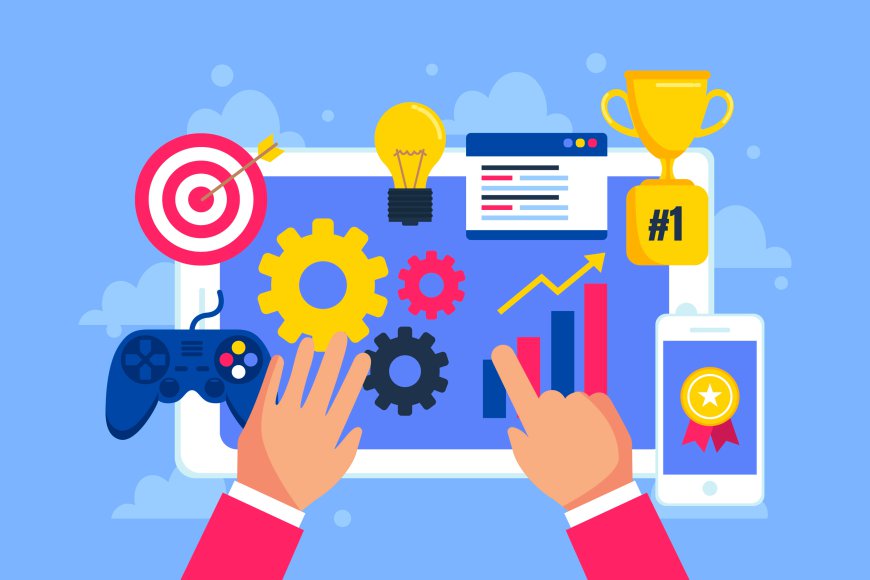
In today’s fast-paced digital landscape, brands are constantly seeking innovative ways to capture consumer attention and foster loyalty. Traditional marketing strategies are no longer sufficient, as audiences are becoming increasingly selective about what they engage with. Enter gamification, a strategy that leverages game mechanics in non-gaming contexts to motivate, engage, and drive desired behaviors. When applied effectively, gamification in marketing has the potential to transform customer engagement into measurable revenue growth. If you have insights to share, we invite you to write for us digital marketing and contribute your strategies.
Understanding Gamification in Marketing
Gamification involves incorporating elements typically found in games, such as points, badges, leaderboards, and challenges, into business strategies to enhance user engagement. Unlike actual games, the goal is not pure entertainment but to influence behaviors that benefit a brand. In marketing, this could mean encouraging purchases, sign-ups, social shares, or repeat visits.
At its core, gamification taps into fundamental human psychology. People are naturally drawn to rewards, recognition, and competition. By making marketing campaigns interactive and rewarding, brands can create memorable experiences that motivate customers to take specific actions, ultimately increasing revenue.
Key Elements of Gamification
Successful gamification strategies often rely on a few common game mechanics:
-
Points and Rewards: Customers earn points for engaging with the brand, such as making a purchase, sharing content, or participating in a survey. Accumulated points can be exchanged for discounts, gifts, or exclusive access.
-
Badges and Achievements: Recognizing accomplishments provides users with a sense of accomplishment and status. Badges can signify milestones, encouraging users to continue interacting with the brand.
-
Leaderboards and Competition: Creating friendly competition among users stimulates motivation and repeat engagement. Public recognition on leaderboards can inspire users to outperform peers.
-
Challenges and Quests: Setting tasks or missions adds structure to the engagement process. Challenges can guide users toward desired behaviors while keeping the experience fun and interactive.
-
Progress Tracking: Visual indicators of progress, such as progress bars, help maintain motivation and show users how close they are to achieving a reward or completing a goal.
Benefits of Gamification in Marketing
When implemented correctly, gamification provides a range of benefits that go beyond mere engagement:
-
Enhanced Customer Engagement: Interactive campaigns encourage users to actively participate rather than passively consume content. Gamified experiences increase time spent with the brand, leading to stronger connections.
-
Boost in Sales and Conversions: By linking rewards to purchasing behavior or desired actions, gamification can directly influence revenue. Customers are more likely to complete purchases or subscribe to services when incentives are involved.
-
Improved Brand Loyalty: Gamified programs often encourage repeat interactions. When customers enjoy earning rewards and recognition, they develop a stronger emotional connection with the brand, translating into loyalty.
-
Increased Social Sharing: Gamification often involves social elements like sharing achievements or competing with friends. This organic word-of-mouth exposure amplifies reach without heavy advertising spend.
-
Valuable Customer Insights: Tracking how users interact with gamified elements provides brands with insights into consumer behavior, preferences, and engagement patterns. These insights can inform future campaigns and product development.
Real-World Examples of Gamification in Marketing
Several brands have successfully leveraged gamification to boost engagement and revenue. Notable examples include:
-
Starbucks Rewards: Starbucks’ mobile app uses a points-based system, where users earn “stars” for purchases. Accumulated stars can be redeemed for free drinks or food, encouraging repeat visits and customer loyalty.
-
Nike Run Club: Nike engages its fitness-oriented audience through challenges, leaderboards, and achievement badges. Users track their runs, share accomplishments on social media, and stay motivated to continue engaging with the brand.
-
Duolingo: While primarily an educational platform, Duolingo’s gamified approach using points, streaks, and levels motivates users to return daily, promoting retention and brand loyalty.
-
McDonald’s Monopoly Game: McDonald’s annual Monopoly campaign turns purchases into game pieces that can win prizes, combining excitement with incentives to increase sales and customer participation.
Strategies for Implementing Gamification in Marketing
To turn gamification into a revenue-driving tool, marketers must adopt thoughtful strategies rather than adding game mechanics haphazardly. Here’s how brands can effectively implement gamification:
1. Define Clear Objectives
Before designing a gamified campaign, identify what you want to achieve. Are you aiming to increase sales, grow your email list, boost app engagement, or promote social sharing? Clear objectives guide the design of rewards and challenges that align with your goals.
2. Know Your Audience
Gamification works best when it resonates with the target audience. Understanding customer motivations, preferences, and behaviors ensures that rewards are meaningful and engagement is authentic.
3. Choose Appropriate Game Mechanics
Not every game element suits every campaign. For instance, competitive leaderboards work well for communities driven by achievement, while progress bars may be more effective for educational or fitness-oriented audiences. Select mechanics that complement both your brand and your users’ preferences.
4. Keep It Simple
Complex game mechanics can confuse or frustrate users. The gamified experience should be intuitive, easy to understand, and rewarding from the outset. Quick wins encourage continued participation.
5. Provide Meaningful Rewards
Rewards should feel valuable to the user. They can be tangible, like discounts or free products, or intangible, like recognition or exclusive content. The key is to ensure that the reward motivates the desired behavior.
6. Encourage Social Interaction
Social elements amplify the impact of gamification. Features that allow sharing achievements, challenging friends, or collaborating in missions enhance engagement while promoting the brand organically.
7. Monitor and Iterate
Gamification is not a one-and-done tactic. Track engagement metrics, conversion rates, and customer feedback to refine your campaigns. Iterative improvements ensure sustained effectiveness and higher ROI.
Common Mistakes to Avoid
While gamification is powerful, improper execution can backfire. Marketers should avoid these pitfalls:
-
Overcomplicating the Experience: Too many rules or convoluted challenges can discourage users.
-
Focusing Solely on Rewards: Gamification should be about engagement, not just incentives. Users may lose interest if rewards feel trivial or unattainable.
-
Neglecting Mobile Optimization: Many users engage via mobile devices. Poor mobile experiences reduce participation.
-
Ignoring User Data: Without monitoring engagement and behavior, campaigns cannot be optimized for maximum impact.
Measuring the Impact of Gamification
To justify the investment in gamified marketing, brands must measure its effectiveness. Key performance indicators (KPIs) include:
-
Engagement Metrics: Track clicks, time spent on site or app, and completion rates of challenges or quests.
-
Conversion Rates: Measure whether gamification leads to purchases, subscriptions, or desired actions.
-
Customer Retention: Analyze whether gamified experiences improve repeat visits or loyalty program participation.
-
Social Metrics: Monitor shares, mentions, and user-generated content to assess the viral impact of gamification.
-
Revenue Impact: Ultimately, calculate how gamified campaigns contribute to overall revenue growth.
The Future of Gamification in Marketing
The future of gamification is intertwined with emerging technologies and changing consumer behaviors. Trends shaping the next phase include:
-
Augmented Reality (AR) and Virtual Reality (VR): Immersive experiences will allow users to interact with brands in new, engaging ways. AR-enabled scavenger hunts or VR brand experiences can deepen engagement.
-
AI-Powered Personalization: AI can tailor gamified experiences to individual preferences, making rewards and challenges more relevant and effective.
-
Blockchain and Digital Collectibles: Gamification can integrate NFTs or digital collectibles as rewards, creating unique value for users and new monetization opportunities.
-
Sustainability and Purpose-Driven Games: Gamified campaigns focusing on social causes or sustainability initiatives can appeal to conscious consumers while promoting brand values.
Conclusion
Gamification in marketing is more than a trend; it’s a strategic approach that turns engagement into tangible business outcomes. By leveraging human psychology, offering meaningful rewards, and creating interactive experiences, brands can foster loyalty, encourage desired behaviors, and ultimately drive revenue growth.
As digital competition intensifies, brands that embrace gamification effectively will not only capture attention but also transform casual interactions into lasting relationships and measurable financial results. Whether through points, badges, leaderboards, or immersive experiences, gamification empowers marketers to make their campaigns more engaging, memorable, and profitable.