Health Checkup: Benefits, Types, Tests Included & Why Regular Screening Matters
Take charge of your well-being with a comprehensive Health Checkup. Regular preventive screening helps detect potential health issues early, monitor vital body functions, and support timely medical care. Book your health checkup online for accurate reports, convenient home sample collection, and a hassle-free diagnostic experience.
 redcliffelabs1
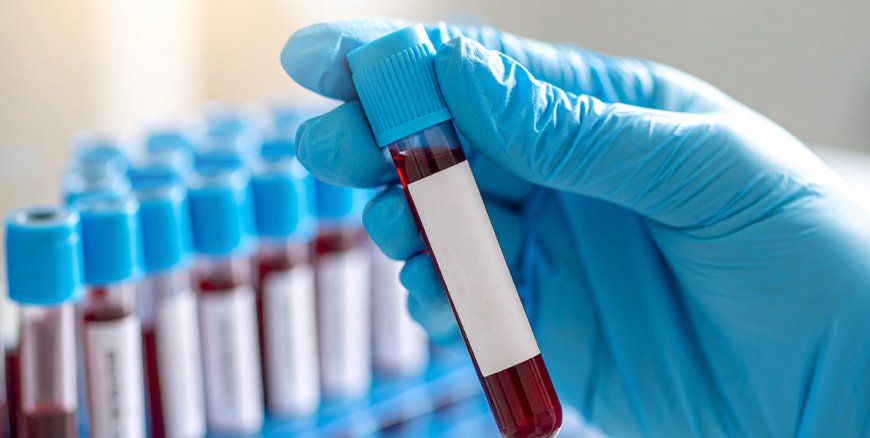
A Health Checkup is one of the best ways to monitor your overall health and detect potential health problems before they become serious. Many conditions, such as diabetes, high blood pressure, thyroid disorders, high cholesterol, and liver or kidney diseases, may not show symptoms in their early stages. Regular health screening helps identify these issues early, allowing timely treatment and better health outcomes.
This article explains what a Health Checkup is, its benefits, the tests commonly included, who should get one, and how often it is recommended.
What Is a Health Checkup?
A Health Checkup is a preventive health screening that includes a combination of medical tests designed to evaluate your overall health. These tests help assess the functioning of different organs and identify potential health risks, even if you feel healthy.
Doctors use the results to detect abnormalities early, monitor existing medical conditions, and recommend lifestyle changes or further investigations if needed.
Why Is a Health Checkup Important?
Many health conditions develop gradually without noticeable symptoms. A routine Health Checkup helps detect these conditions before complications occur.
Some key benefits include:
- Early detection of diseases
- Better treatment outcomes
- Monitoring existing health conditions
- Identifying nutritional deficiencies
- Assessing organ function
- Supporting a healthier lifestyle
- Reducing the risk of long-term complications
Regular screening can also provide peace of mind by giving you a better understanding of your current health status.
What Tests Are Commonly Included in a Health Checkup?
The tests included may vary depending on the package, age, gender, and medical history. Common investigations include:
- Complete Blood Count (CBC)
- Blood Sugar (Fasting or HbA1c)
- Lipid Profile
- Liver Function Test (LFT)
- Kidney Function Test (KFT)
- Thyroid Function Test (TFT)
- Urine Routine Examination
- Vitamin D and Vitamin B12 (in selected packages)
- Calcium Test
- Iron Profile (if recommended)
Some comprehensive health checkup packages may also include ECG, chest X-ray, ultrasound, or other diagnostic tests based on individual requirements.
Who Should Get a Health Checkup?
A Health Checkup is beneficial for adults of all ages.
It is especially recommended for:
- Adults above 30 years
- People with a family history of diabetes, heart disease, or hypertension
- Individuals with obesity or a sedentary lifestyle
- Smokers and people who consume alcohol regularly
- Those with existing medical conditions
- People experiencing unexplained fatigue or frequent illness
- Individuals planning lifestyle changes or fitness programmes
Even healthy individuals should consider routine preventive screening.
How Often Should You Have a Health Checkup?
The frequency depends on your age and health condition.
General recommendations include:
- 20–30 years: Every 2–3 years if healthy.
- 30–40 years: Every 1–2 years.
- Above 40 years: Once every year.
- People with chronic diseases: As advised by their healthcare provider.
Your doctor may recommend more frequent screening based on your medical history and risk factors.
How Is a Health Checkup Performed?
Most Health Checkups begin with blood and urine sample collection.
The process usually involves:
- Registration and medical history review.
- Blood sample collection.
- Urine sample collection (if included).
- Additional tests such as ECG or imaging, if required.
- Laboratory analysis.
- Report generation and medical review.
Many diagnostic centres also offer home sample collection for selected blood tests.
Is Fasting Required?
Some tests included in a Health Checkup may require fasting.
For example:
- Fasting Blood Sugar
- Lipid Profile
Your laboratory or healthcare provider will inform you if fasting for 8 to 12 hours is necessary before your appointment.
How to Prepare for a Health Checkup
To ensure accurate results:
- Follow fasting instructions if advised.
- Drink enough water unless instructed otherwise.
- Inform your doctor about all medications and supplements.
- Avoid alcohol before the test if recommended.
- Wear comfortable clothing if additional examinations are included.
Proper preparation helps improve the accuracy of several laboratory tests.
Benefits of Regular Health Checkups
Routine Health Checkups offer several advantages:
- Detect diseases at an early stage
- Monitor overall wellness
- Evaluate organ function
- Identify nutritional deficiencies
- Support preventive healthcare
- Reduce healthcare costs through early intervention
- Encourage healthier lifestyle choices
Preventive care plays an important role in maintaining long-term health and improving quality of life.
Conclusion
A Health Checkup is an essential part of preventive healthcare. It helps detect medical conditions before symptoms appear, allowing early treatment and better disease management. Whether you are healthy or managing an existing medical condition, regular health screening provides valuable information about your overall well-being. Speak with your healthcare provider to choose a health checkup package that matches your age, lifestyle, and individual health needs.
Frequently Asked Questions (FAQs)
1. What is a Health Checkup?
A Health Checkup is a preventive screening package that includes multiple medical tests to assess your overall health and detect diseases early.
2. Who should get a Health Checkup?
Adults of all ages can benefit, especially those over 30 years, individuals with chronic conditions, or people with a family history of certain diseases.
3. Is fasting required before a Health Checkup?
Some tests, such as fasting blood sugar and lipid profile, may require fasting. Follow the instructions provided by your healthcare provider or laboratory.
4. How often should I get a Health Checkup?
Healthy adults may need screening every 1–3 years depending on age, while people above 40 years or those with medical conditions are often advised to have annual checkups.
5. What tests are included in a Health Checkup?
Most packages include tests such as CBC, blood sugar, lipid profile, liver function, kidney function, thyroid function, and urine analysis. The exact tests vary depending on the package selected.