Hidden Himalayan Gem: Ultimate Guide to the Tsum Valley Short Trek in Nepal
 juniperhayes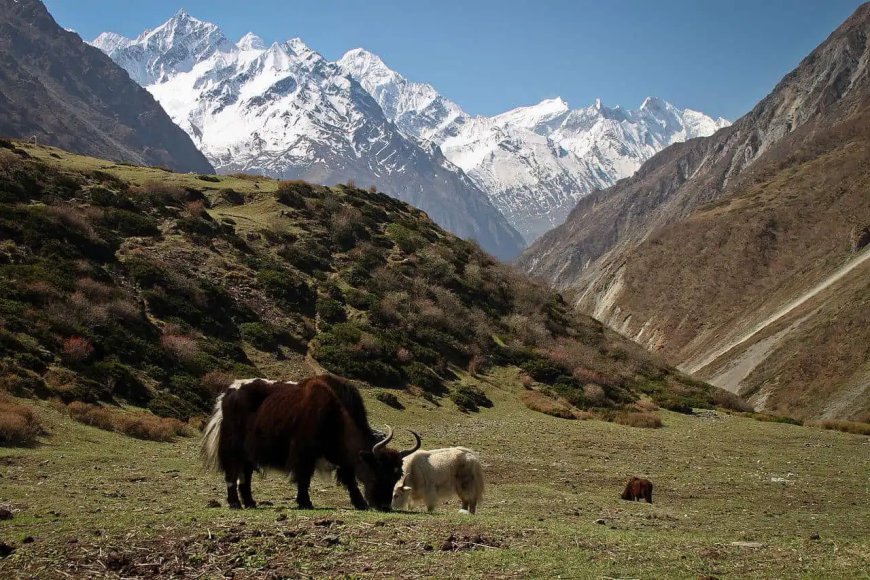
The path feels quiet, almost sacred. No busy crowds. No loud noise. Just wind, prayer flags, and distant mountain peaks. This is where the Tsum Valley begins to reveal its hidden beauty. The journey feels like stepping into a different world, far away from modern life. With support from Nepal Social Treks, this short trek becomes safe, well-planned, and deeply meaningful for travelers seeking peace and culture in the Himalayas.
Tsum Valley is one of Nepal’s most untouched trekking destinations. Located in the northern part of the Manaslu region, it is known for its ancient Buddhist culture, remote villages, and stunning mountain landscapes. This trek is not about speed or challenge. It is about silence, discovery, and connection with nature and tradition.
A Hidden Valley with Ancient Culture
Tsum Valley is often called the “hidden valley of happiness.” It remained closed to outsiders for many years, which helped preserve its unique culture and traditions.
People in this region follow Tibetan Buddhism. You will see old monasteries, prayer wheels, chortens, and colorful flags everywhere. The lifestyle is simple and peaceful. Villagers live close to nature and depend on farming and animal herding.
As you walk through the valley, you feel like you are traveling back in time. There are no modern distractions, only mountains, rivers, and spiritual calm.
Useful Trekking Statistics
Here are some important facts about the Tsum Valley Short Trek:
- Average trekking duration: 10 to 14 days
- Total trekking distance: Around 100 to 120 kilometers (round trip)
- Maximum elevation: 3,700 meters (Mu Gompa area)
- Difficulty level: Easy to moderate
- Best seasons: Spring (March–May) and Autumn (September–November)
These numbers show that Tsum Valley is a perfect trek for travelers who want a peaceful Himalayan experience without extreme altitude challenges.
The Journey into the Valley
The trek usually begins from Soti Khola or Machha Khola in the Gorkha region. The trail follows rivers, crosses suspension bridges, and climbs through green forests.
As you go higher, the landscape slowly changes. The forest becomes thinner. The mountains become bigger. Small villages appear along the trail, each with warm hospitality and simple stone houses.
The walk is steady and calm. There is no rush. Every step feels peaceful. You hear birds, flowing water, and prayer chants from nearby monasteries.
Villages and Spiritual Life in Tsum Valley
One of the most special parts of the Tsum Valley Short Trek is its villages. Places like Chumling, Chhekampar, and Nile offer deep cultural experiences.
People here live a traditional Buddhist lifestyle. Monasteries play a central role in daily life. Monks and villagers often gather for prayers and festivals.
You may also meet local children walking to school, farmers working in fields, and yak herders guiding animals through the mountains. Every interaction feels warm and real.
The most sacred place in the valley is Mu Gompa, located near the Tibetan border. It sits high above the valley with stunning views of snow-covered peaks.
Natural Beauty of Tsum Valley
The valley is surrounded by dramatic Himalayan scenery. You see Ganesh Himal, Sringi Himal, and other snow-covered peaks throughout the journey.
Rivers flow strongly through deep gorges. Waterfalls drop from steep cliffs. Forests of pine and rhododendron add color to the trail.
Because the region is remote, the environment is very clean and untouched. It feels pure and peaceful, far from pollution and noise.
How Nepal Social Treks Supports the Journey
Nepal Social Treks plays an important role in making the Tsum Valley Short Trek smooth and enjoyable. Their experienced guides help travelers understand the route, culture, and local traditions.
They provide full trekking support, including permits, transportation, accommodation, meals, and porter services. Their team ensures that trekkers stay safe and comfortable throughout the journey.
They also focus on responsible tourism. This means respecting local culture, protecting the environment, and supporting local communities.
With their guidance, travelers can fully enjoy the beauty of Tsum Valley without stress or confusion.
Challenges of the Trek
Although the trek is considered easy to moderate, there are still some challenges.
The trails can be long and tiring, especially on uphill sections. Weather can also change quickly in the mountains. Nights can get cold, especially at higher altitudes.
Since the region is remote, facilities are simple. Lodges are basic, and internet or phone signals are limited.
But these small challenges are part of the experience. They help travelers disconnect from modern life and enjoy nature fully.
Best Time to Visit Tsum Valley
The best seasons for trekking are spring and autumn.
In spring, the valley is full of blooming flowers and green landscapes. The weather is mild and pleasant.
In autumn, the skies are clear, and mountain views are sharp and beautiful. This is also a festive season in Nepal, which adds cultural richness to the journey.
Winter is very cold, and monsoon brings heavy rain, so these seasons are less ideal for trekking.
Final Thoughts on the Tsum Valley Short Trek
The Tsum Valley Short Trek is not just a journey through mountains. It is a journey into peace, culture, and simplicity. It offers something rare in today’s world: silence and space to breathe.
Every village, monastery, and mountain view tells a story. It is a place where time slows down, and life feels more meaningful.
With the support of Nepal Social Treks, travelers can explore this hidden Himalayan gem safely and comfortably. Their expert guidance, local knowledge, and responsible service make the experience smooth from start to finish. In the end, Tsum Valley is not just a destination. It is a feeling of calm that stays with you long after the trek is over.