How a Hearing Service Program Can Improve Your Long-Term Hearing Health
 medicalhearingservices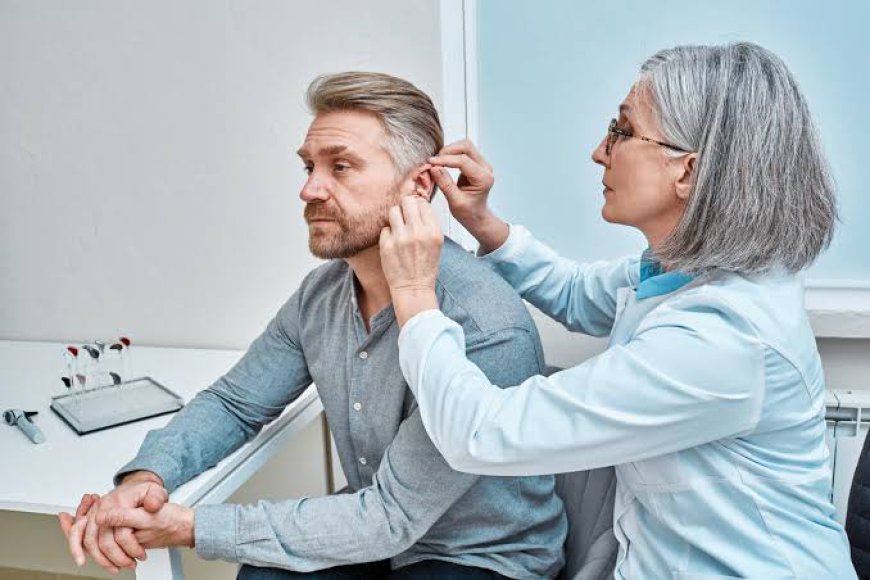
Hearing plays a vital role in our daily lives, allowing us to communicate, build relationships, enjoy entertainment, and stay aware of our surroundings. Despite its importance, many people overlook their hearing health until they begin experiencing noticeable difficulties. Unfortunately, untreated hearing loss can gradually affect communication, emotional well-being, work performance, and overall quality of life. The good news is that proactive hearing care can make a significant difference. A structured hearing service program provides ongoing support, early detection, and personalized treatment to help maintain healthy hearing for years to come.
Rather than waiting until hearing problems become severe, participating in a professional hearing care program encourages regular monitoring and preventive care. This approach helps individuals identify changes early and receive appropriate recommendations before hearing loss progresses further.
Why Long-Term Hearing Health Matters
Hearing naturally changes with age, but it can also be influenced by factors such as excessive noise exposure, genetics, medical conditions, infections, and certain medications. Even mild hearing loss can make conversations more difficult, especially in busy environments or social gatherings.
When hearing issues go untreated, they can contribute to communication breakdowns, social isolation, reduced confidence, and increased mental fatigue. Some studies have also linked untreated hearing loss with cognitive decline and reduced overall well-being. Taking care of your hearing today helps preserve your ability to enjoy conversations, family events, music, and everyday experiences well into the future.
The Importance of Early Detection
One of the greatest advantages of regular hearing care is identifying problems before they become more serious. Many people are unaware that hearing loss often develops gradually. Because the changes occur slowly, individuals may adapt without realizing they are missing important sounds or speech.
Routine hearing assessments allow hearing professionals to establish a baseline and monitor any changes over time. Early diagnosis provides more treatment options and often leads to better long-term outcomes. Whether the solution involves hearing protection, lifestyle adjustments, hearing aids, or medical referral, acting early can prevent unnecessary complications.
Personalized Hearing Assessments
Every person's hearing needs are unique. Age, occupation, lifestyle, hobbies, and medical history all influence hearing health. Professional hearing assessments evaluate multiple aspects of hearing rather than simply determining whether hearing loss exists.
A comprehensive evaluation may include:
- Hearing threshold testing
- Speech understanding assessments
- Middle ear examinations
- Hearing history review
- Lifestyle and communication assessments
- Hearing aid evaluations when appropriate
These detailed assessments allow hearing specialists to recommend personalized care plans tailored to each individual's needs.
Ongoing Monitoring Supports Better Outcomes
Unlike a one-time hearing test, ongoing monitoring provides valuable information about changes in hearing over time. Small declines may not be noticeable in everyday life but can be detected during scheduled appointments.
Regular follow-up appointments allow hearing professionals to:
- Track hearing changes
- Adjust hearing devices if needed
- Review hearing protection strategies
- Address new symptoms promptly
- Ensure treatment continues to meet changing needs
This proactive approach helps individuals maintain optimal hearing performance throughout different stages of life.
Professional Guidance Makes a Difference
Many people attempt to ignore hearing problems or rely on online advice instead of seeking professional care. However, hearing health is complex, and proper diagnosis requires specialized equipment and expertise.
Qualified hearing professionals can identify whether hearing loss is related to age, noise exposure, earwax buildup, infections, or underlying medical conditions. They also help patients understand available treatment options and explain how to protect remaining hearing.
Professional guidance reduces uncertainty and ensures patients receive evidence-based recommendations rather than temporary solutions.
Hearing Technology Continues to Improve
Modern hearing technology has advanced significantly in recent years. Today's hearing aids are smaller, more comfortable, and equipped with intelligent features that improve speech clarity in various listening environments.
Many devices now offer:
- Bluetooth connectivity
- Rechargeable batteries
- Background noise reduction
- Automatic sound adjustments
- Smartphone app controls
- Directional microphones
- Tinnitus management features
Regular hearing reviews ensure hearing devices remain properly programmed as hearing needs evolve over time.
Prevention Is Better Than Treatment
Protecting hearing before significant damage occurs is one of the most valuable aspects of ongoing hearing care. Preventive strategies may include:
- Wearing hearing protection in noisy workplaces
- Limiting exposure to loud music
- Following safe headphone volume levels
- Managing chronic health conditions
- Treating ear infections promptly
- Scheduling routine hearing examinations
Simple preventive measures can significantly reduce the risk of permanent hearing damage.
Supporting Emotional and Social Well-Being
Good hearing contributes to strong relationships and active social participation. Individuals with untreated hearing loss often withdraw from conversations because communication becomes frustrating or exhausting.
Improved hearing allows people to:
- Participate confidently in family discussions
- Enjoy community activities
- Maintain workplace productivity
- Reduce misunderstandings
- Feel more connected with loved ones
Maintaining healthy hearing supports emotional wellness and encourages a more active lifestyle.
Hearing Care for Every Stage of Life
Although hearing loss is commonly associated with older adults, hearing care benefits people of all ages. Children, working professionals, musicians, construction workers, healthcare employees, and retirees all face different hearing challenges.
Regular hearing evaluations can help:
- Detect childhood hearing concerns
- Protect workers exposed to loud environments
- Monitor age-related hearing changes
- Support individuals with existing hearing devices
- Preserve communication abilities throughout life
No matter your age, investing in hearing health provides lifelong benefits.
The Value of Individualized Care Plans
No two hearing journeys are identical. Some individuals require annual hearing tests, while others benefit from more frequent monitoring due to medical conditions or occupational noise exposure.
Individualized care plans may include:
- Scheduled hearing evaluations
- Device maintenance appointments
- Earwax management
- Hearing protection recommendations
- Communication strategies
- Family education and support
This personalized approach ensures every patient receives care suited to their specific hearing goals and lifestyle.
Building Healthy Hearing Habits
Long-term hearing health depends on consistent habits rather than occasional treatment. Individuals can improve hearing wellness by:
- Scheduling regular hearing checkups
- Wearing ear protection around loud machinery
- Avoiding prolonged exposure to excessive noise
- Seeking professional advice when symptoms appear
- Following treatment recommendations
- Keeping hearing devices clean and properly maintained
Healthy daily habits work together with professional care to preserve hearing for many years.
Conclusion
Protecting your hearing is an investment in your future quality of life. Regular hearing assessments, early intervention, preventive care, and ongoing professional support all contribute to better long-term hearing outcomes. Enrolling in a Hearing Service Program allows individuals to receive personalized evaluations, continuous monitoring, expert guidance, and timely treatment that adapts as their hearing needs change. By taking a proactive approach today, you can reduce the impact of hearing loss, improve communication, and continue enjoying the sounds and conversations that matter most throughout every stage of life.