How Do I Prevent Shrinking In A T-Shirt Wash?
Learn how to prevent T-shirt shrinkage with proper washing, drying, and fabric care methods that help maintain size, comfort, and durability.
 smitjohn11
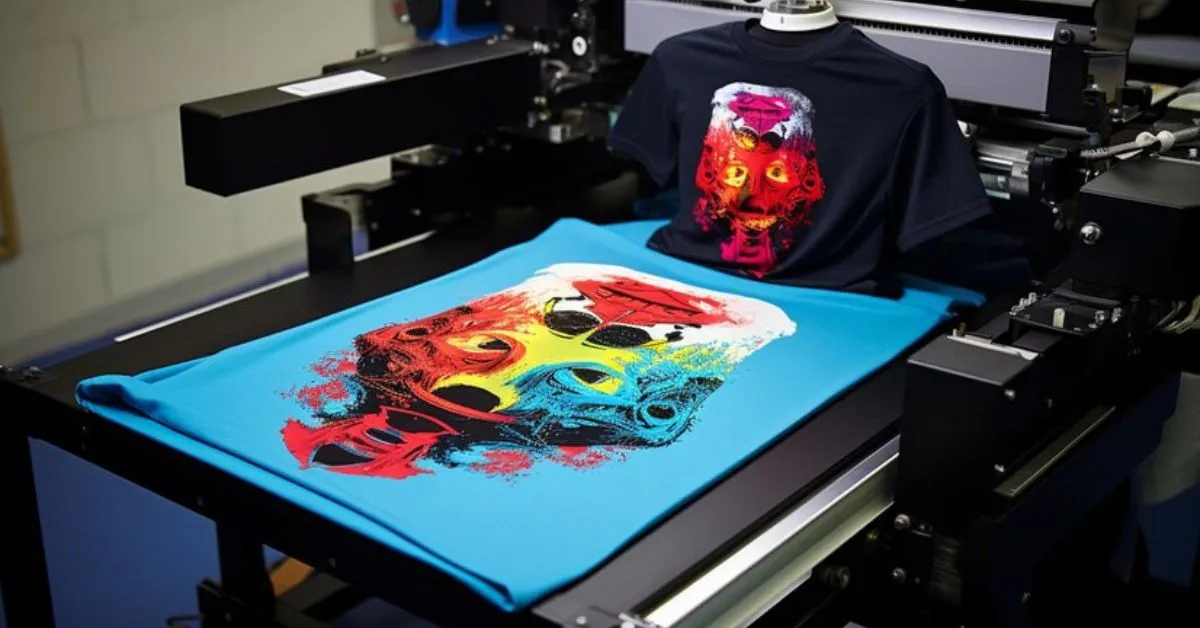
T-shirts are a wardrobe essential, but many people become frustrated when a favorite shirt no longer fits properly after a few washes. Shrinkage occurs because fabric fibers react to water, heat, and agitation during the laundry process. A shirt that starts with a comfortable fit can become noticeably smaller due to improper washing or drying habits. Proper garment care helps maintain the original size, shape, and appearance of clothing while extending its lifespan.
Quality materials also play an important role in preventing excessive shrinkage. Shirts made from well-manufactured fabrics often perform better after repeated washing. Businesses that provide Same day custom T-shirt printing frequently recommend following garment care instructions to preserve both fabric quality and printed designs. Understanding why shrinkage happens and applying the right care methods can help keep T-shirts fitting properly for years.
Why Do T-Shirts Shrink After Washing?
T-shirt shrinkage happens when fabric fibers contract after exposure to moisture and heat. Cotton fibers naturally expand during manufacturing and are stretched into shape during production. Washing and drying can cause these fibers to return closer to their original state, leading to noticeable size reduction.
Heat is one of the most common causes of shrinkage. Hot water opens fabric fibers and allows them to tighten as they dry. High dryer temperatures create even more stress on the material, increasing the likelihood of shrinkage. Cotton fabrics are particularly vulnerable because they absorb large amounts of water during washing.
Manufacturing methods also influence how much a shirt shrinks. Some manufacturers use pre-shrinking treatments that reduce future contraction. Others produce garments without extensive fabric stabilization, which can result in more dramatic size changes after laundering. Fabric quality, production techniques, and finishing treatments all contribute to a shirt's long-term performance.
Repeated exposure to improper washing conditions can gradually reduce a shirt’s dimensions over time. Many people assume shrinkage only occurs after the first wash, but ongoing heat exposure can continue affecting fibers. Consistent care practices are essential for maintaining garment size and preventing unnecessary wear.
Different T-Shirt Fabrics
Fabric type has a major impact on how a T-shirt responds to washing and drying. Cotton remains one of the most popular choices because of its softness, breathability, and comfort. Despite these advantages, cotton is generally the fabric most prone to shrinkage due to its natural fiber structure.
Polyester offers greater resistance to shrinking because synthetic fibers maintain their shape more effectively under normal washing conditions. Many athletic and performance shirts use polyester because it dries quickly and withstands frequent laundering without significant size changes.
Cotton-polyester blends combine the best characteristics of both materials. These fabrics provide the comfort of cotton while reducing the risk of shrinkage. Blended shirts often maintain their fit better than garments made entirely from cotton.
Understanding fabric composition helps consumers choose appropriate washing methods. Different materials respond differently to heat, moisture, and detergents. Paying attention to fabric content can significantly improve garment longevity and help prevent avoidable shrinkage.
Best Washing Practices To Prevent T-Shirt Shrinkage
Follow These Essential Washing Tips:
- Read the care label before washing.
- Use cold water whenever possible.
- Select a gentle wash cycle.
- Separate clothes by fabric type.
- Avoid overloading the washing machine.
- Use mild detergents designed for delicate fabrics.
Proper washing habits are one of the most effective ways to prevent T-shirt shrinkage. Every garment includes care instructions that provide guidance for maintaining fabric quality. Reading these labels helps determine the safest water temperature, wash cycle, and drying method for each shirt.
Cold water washing helps preserve fabric fibers and reduces the likelihood of contraction. Lower temperatures minimize stress on materials while still providing effective cleaning for most everyday garments. Gentle wash cycles further protect fibers by reducing agitation and friction inside the washing machine.
Sorting clothes by fabric type also improves laundry results. Heavy items such as jeans and towels can create excessive friction against lightweight T-shirts. Separating garments allows fabrics with similar care requirements to be washed together more safely.
Machine capacity plays an important role as well. Overloading the washer prevents proper water circulation and increases contact between garments. Shirts may twist, stretch, and experience unnecessary stress during crowded wash cycles.
Detergent selection contributes to fabric preservation. Mild detergents clean clothing effectively without exposing fibers to harsh chemicals. Specialized fabric-friendly formulas help maintain softness while protecting the integrity of delicate materials.
Consistent washing habits can dramatically extend the lifespan of T-shirts. Small adjustments to laundry routines often produce noticeable improvements in garment appearance, comfort, and fit retention.
How Drying Methods Affect T-Shirt Size
Drying practices often have a greater impact on shrinkage than washing methods. High temperatures force fabric fibers to contract rapidly, making shirts smaller after each cycle. Cotton garments are especially vulnerable because their fibers respond quickly to heat exposure.
Machine dryers provide convenience but can contribute significantly to shrinkage. Many people use high heat settings to reduce drying time, unaware that excessive temperatures place stress on fabric fibers. Repeated exposure can permanently alter the size and shape of garments.
Lower heat settings offer a safer alternative for machine drying. Reduced temperatures allow moisture to evaporate more gradually while minimizing fiber contraction. Removing shirts from the dryer slightly damp can further reduce shrinkage risks.
Air drying remains one of the best methods for preserving garment dimensions. Hanging shirts on a drying rack or laying them flat allows moisture to leave the fabric naturally. This process eliminates exposure to excessive heat and helps maintain the shirt's original structure.
Natural drying also reduces wear caused by tumbling and friction inside a dryer. A simple change in drying habits can make a substantial difference in preserving T-shirt quality and fit.
Common Mistakes That Cause T-Shirt Shrinkage
Many shrinkage problems result from avoidable laundry mistakes. Ignoring garment care labels is one of the most common errors. Manufacturers provide instructions specifically designed for the fabric used in each shirt.
Using hot water regularly can accelerate shrinkage, particularly in cotton garments. High temperatures cause fibers to tighten and lose flexibility. Frequent hot-water washing often results in noticeable size reduction over time.
Over-drying is another common problem. Many people leave shirts in the dryer longer than necessary, exposing fabrics to unnecessary heat. This prolonged exposure increases the likelihood of shrinkage and fabric deterioration.
Mixing all clothing items together can also damage delicate garments. Heavy fabrics create friction that affects lighter materials. Excessive ironing temperatures present additional risks by exposing fibers directly to intense heat.
Avoiding these common mistakes can significantly improve the lifespan and appearance of T-shirts while helping maintain a consistent fit.
Extra Care Tips For Long-Lasting T-Shirts
Proper storage habits contribute to long-term garment preservation. Folding shirts neatly and storing them in clean, dry spaces helps maintain their shape. Hanging lightweight garments properly can also prevent stretching and distortion.
Turning shirts inside out before washing protects printed graphics and reduces surface abrasion. This simple step helps preserve colors and minimizes wear caused by contact with other garments during laundering.
Washing only when necessary reduces the overall stress placed on fabric fibers. Excessive laundering shortens garment lifespan and increases opportunities for shrinkage. Spot cleaning minor stains can reduce unnecessary wash cycles.
Fabric-friendly products such as gentle detergents and conditioners help maintain softness and durability. Consistent care routines produce better long-term results than occasional corrective measures. Small habits practiced regularly can keep T-shirts looking newer and fitting properly for much longer.
Conclusion
Preventing T-shirt shrinkage requires a combination of proper washing, drying, and storage practices. Understanding how fabrics react to heat and moisture helps consumers make better laundry decisions. Cold water washing, gentle cycles, mild detergents, and air drying all contribute to maintaining garment size and shape. Fabric type should always guide care routines, as cotton, polyester, and blended materials have different requirements. Avoiding common mistakes such as hot-water washing and excessive dryer heat can significantly reduce shrinkage. Consistent attention to garment care protects fabric quality, preserves fit, and extends clothing lifespan. Following these simple steps allows T-shirts to remain comfortable, attractive, and properly sized through many years of wear.