How Expert Flight Training in Murrieta Builds Strong Preflight Planning Habits
Learn how expert flight training in Murrieta helps pilots develop strong preflight planning habits, safety awareness, and confident decision-making.
 stormcellaviation
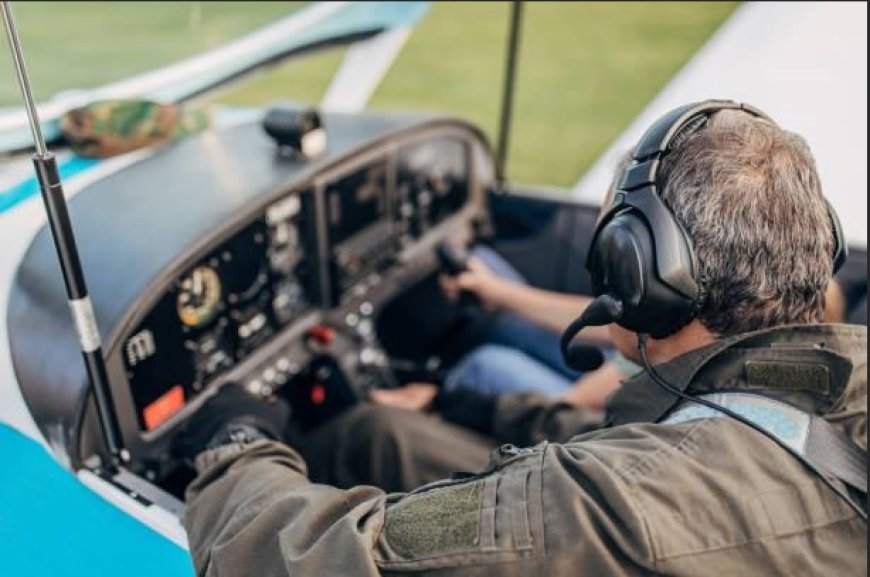
Ask any experienced pilot what keeps flights safe, and most will tell you the same thing: good decisions start before the engine ever turns on. Strong preflight planning is one of the most important habits pilots learn early, and it often shapes how confidently they fly for the rest of their aviation journey.
This is where expert flight training in Murrieta plays an important role. The local flying environment, weather patterns, and airspace structure naturally encourage pilots to slow down, think ahead, and plan thoroughly. Preflight planning becomes more than a checklist. It becomes a mindset.
Let’s look at how this training approach helps pilots build planning habits that stick:
Key Takeaways
-
Preflight planning is a mindset, not just a checklist.
-
Expert flight training in Murrieta reinforces thoughtful decision-making.
-
Weather, route, fuel, and weight planning work together for safety.
-
Scenario-based training builds flexibility and confidence.
-
Strong planning habits support long-term pilot safety and success.
8 Ways Expert Flight Training in Murrieta Builds Strong Preflight Planning Habits
-
Teaching Pilots to Think Before They Act
One of the first lessons pilots learn is that rushing leads to mistakes. Expert flight training in Murrieta encourages pilots to slow down and think through each step of a flight before touching the airplane.
Preflight planning becomes a habit of asking questions:
-
Is today a good day to fly?
-
Do the conditions match my experience level?
-
What factors could change during this flight?
This mindset helps pilots make thoughtful decisions instead of reactive ones.
-
Building Strong Weather Awareness From the Start
Weather plays a major role in aviation safety. Pilots training in Murrieta learn early how to review forecasts, identify trends, and understand how weather affects their specific route and timing.
Instead of memorizing reports, pilots learn how to:
-
Interpret METARs and TAFs.
-
Understand wind patterns and visibility.
-
Recognize when the weather may become a risk.
Through repetition, weather planning becomes second nature rather than an afterthought.
-
Reinforcing the Importance of Route Planning
Expert flight training in Murrieta emphasizes that every flight needs a clear plan, even short ones. Pilots learn to think beyond a straight line from point A to point B.
Route planning includes:
-
Terrain awareness
-
Airspace boundaries
-
Nearby airports for alternates
-
Communication requirements
This process helps pilots stay mentally ahead of the aircraft once airborne.
-
Making Fuel Planning a Core Safety Habit
Fuel planning is treated as a critical responsibility, not a quick estimate. Pilots learn how fuel burn, winds, and altitude affect range and reserves.
Strong habits form when pilots consistently:
-
Calculate fuel needs carefully
-
Build in safety margins
-
Plan alternates if delays occur
Expert flight trainers reinforce that fuel planning is about preventing problems before they start.
-
Teaching Real Understanding of Weight and Balance
Weight and balance calculations are more than numbers on paper. Pilots see how loading decisions directly affect performance and safety.
Expert flight training in Murrieta focuses on understanding how weight impacts:
-
Takeoff distance
-
Climb performance
-
Aircraft stability
-
Landing behavior
This knowledge encourages responsibility and careful planning before every flight.
-
Using Scenario-Based Planning to Build Flexibility
Real flights rarely go exactly as planned. That is why scenario-based training is so effective.
Pilots are often asked:
-
What if the weather changes?
-
What if the destination airport closes?
-
What if departure is delayed?
These scenarios teach pilots how to adapt their plans without panic. Preflight planning becomes flexible, not rigid.
-
Encouraging Consistency Through Repetition
Habits form through repetition. Expert flight training in Murrieta emphasizes doing full preflight planning every time, not just on checkride days.
By repeating the same thoughtful process before each flight, pilots:
-
Build confidence
-
Reduce missed details
-
Develop discipline
Consistency turns planning into an automatic, reliable skill.
-
Connecting Planning to Confidence and Calm
Strong preflight planning reduces anxiety. Pilots who prepare well feel more in control and less stressed during flights.
Good planning supports:
-
Clear communication
-
Early decision-making
-
Better workload management
Instead of reacting to surprises, pilots feel prepared to handle them calmly.
Conclusion
Strong preflight planning is the foundation of safe and confident flying. When pilots learn to slow down, think ahead, and prepare for changing conditions, every flight becomes more controlled and less stressful.
Expert flight training in Murrieta helps pilots build these habits early by reinforcing weather awareness, route planning, fuel management, and decision-making through real-world practice. Over time, planning becomes second nature rather than a task to rush through. These habits stay with pilots long after training ends, supporting safer choices, better judgment, and a more enjoyable flying experience every time they take to the skies.
FAQs
1. Why is preflight planning so important for student pilots?
Preflight planning helps pilots identify risks early, make informed decisions, and avoid preventable problems before flying.
2. Does preflight planning change as pilots gain experience?
The process stays important, but experienced pilots often plan more efficiently while remaining thorough and disciplined.
3. Can strong planning habits reduce in-flight stress?
Yes. Pilots who plan well tend to feel calmer and more confident because they are prepared for changing conditions.