How Feral Pigeon Traps Improve Commercial Bird Control and Facility Protection
 walaeric704@gmail.com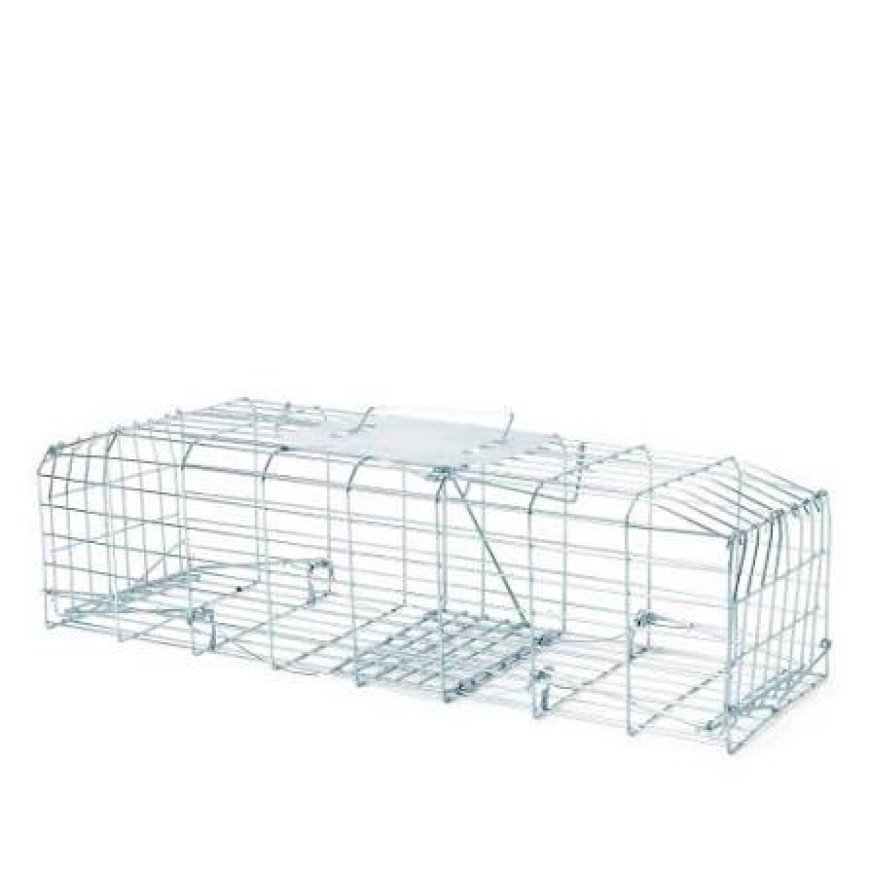
The Problem Arrives Quietly
It starts with one or two birds on the roofline. Maybe a loading dock ledge, or a parapet above the main entrance. Easy to ignore. A few weeks later, there are droppings on the delivery ramp, feathers near the ventilation intake, and someone's filed a complaint about the smell near the fire exit. By the time a facility manager decides something needs to be done, the population has established itself — and that changes everything about how the response needs to work.
Feral pigeons are not just a nuisance. They are a documented facility risk. And yet, they're routinely underestimated right up until the point where they aren't.
Why Commercial Facilities Are Particularly Vulnerable
There's something about the geometry of commercial buildings that pigeons find deeply appealing. Flat roofs, wide ledges, loading bays with overhead shelter, gaps in cladding, HVAC housings with residual warmth — these structures weren't designed with birds in mind, but they might as well have been.
Food processing sites, warehouses, logistics hubs, retail distribution centres — all of them tend to share the same architectural characteristics that attract roosting activity. Add in the steady human foot traffic that creates spillage and organic debris near entrances, and the result is essentially a purpose-built habitat.
The risks compound quickly. Pigeon droppings are corrosive to building materials, particularly metals and certain roofing membranes. They carry bacteria — Salmonella, E. coli, Chlamydophila psittaci — that create real contamination risk in food-adjacent environments. Nesting material can block drainage systems and create fire hazards near electrical equipment. And the reputational implications for a business photographed with bird colonies on its exterior are hard to quantify but very real.
Deterrence alone — spikes, netting, visual scares — can slow the problem. But in established populations, it often doesn't solve it.
Where Trapping Fits Into the Picture
This is worth being precise about. Trapping isn't positioned as a standalone magic fix. It works best as one layer within a structured bird management programme — specifically, the layer that addresses live population reduction when deterrents have either failed or need support.
A feral pigeon trap is designed to capture birds humanely and in numbers, allowing for controlled removal from the site. Unlike reactive methods that simply displace birds to adjacent areas, trapping physically reduces the on-site population — which changes the dynamics of the problem fundamentally. Fewer birds means less pressure on whatever deterrence infrastructure is already in place.
The design of modern trapping systems has evolved considerably. Entry funnels are built so that birds can enter easily but cannot navigate their way back out — exploiting the natural movement behaviour of pigeons rather than fighting it. Multi-catch designs allow for significant capture numbers over a trapping period without requiring constant supervision. Bait management — typically grain — draws birds in over several days as trust builds, particularly with more cautious individuals in the flock.
The patience required here is worth mentioning. Experienced bird control operators will often pre-bait a trap without activating it initially, just to condition local birds to feeding around it. It's a slower approach, but the catch rates are substantially higher. Fast results from poorly conditioned traps are rarely as impressive as they seem on a datasheet.
Operational Considerations That Get Overlooked
Placement is everything. A trap positioned on a flat roof with no natural perching nearby, where pigeons don't already congregate, will underperform regardless of how well it's made. The trap needs to go where the birds already are — or very close to it — and it needs to fit naturally into the landscape those birds have come to associate with safety.
Water provision inside the trap is a welfare and a practical consideration. Birds that are distressed or dehydrated will alarm others nearby. A calm, well-managed trap that birds approach without obvious stress will outperform an equivalent model handled carelessly, every time.
Legal compliance is non-negotiable. In most jurisdictions, feral pigeons are protected under general wildlife legislation, meaning trapping and removal must follow specific guidelines — typically requiring that birds be dispatched humanely by a licensed operator rather than relocated (relocation simply transfers the problem and pigeons have strong homing instincts). Any commercial bird control programme needs to be structured with this in mind from the outset, not retrofitted later.
Protecting Entry Points While the Programme Runs
One thing that tends to get missed during active trapping operations is that population reduction alone doesn't prevent re-entry. A site with accessible gaps, open vents, or unscreened apertures will simply re-attract birds over time — either the same flock or incoming populations drawn by the same environmental signals.
This is where structural protection becomes critical alongside the trapping work. Properly specified custom fly screens fitted across ventilation openings, roof voids, and structural gaps serve a dual function: they prevent insects, which is their primary role in many commercial settings, and they block small bird access through apertures that aren't large enough to merit full mesh netting. That overlap in utility is often underused in facility protection planning.
The combination matters. Trapping reduces the current population. Structural exclusion — screens, netting, sealed entry points — prevents the next one from establishing.
The Bigger Picture for Facility Managers
A bird control programme that doesn't include population management is managing the symptom, not the cause. Deterrents have genuine value, but they work far better when the population pressure behind them has been reduced.
What trapping brings to a commercial facility protection programme is precisely that: a controlled, humane, measurable method for population reduction that complements every other tool in the toolkit. The logistics require care, the placement requires knowledge, and the timeline requires realistic expectations.
But the facilities that commit to it properly — monitoring populations, running structured trap cycles, combining removal with exclusion — tend to resolve bird problems in ways that purely deterrent-focused approaches rarely achieve.
That initial pair of birds on the roofline? Far easier to address at that stage than six months later, after the flock has settled in and decided the building is home.