How Linen Fabric Ages Over Time and Why It Gets Better
Learn how natural flax fibers soften, increase in durability, and improve with age. Find out why experts prefer aged linen and where to source it today
 fabriclore
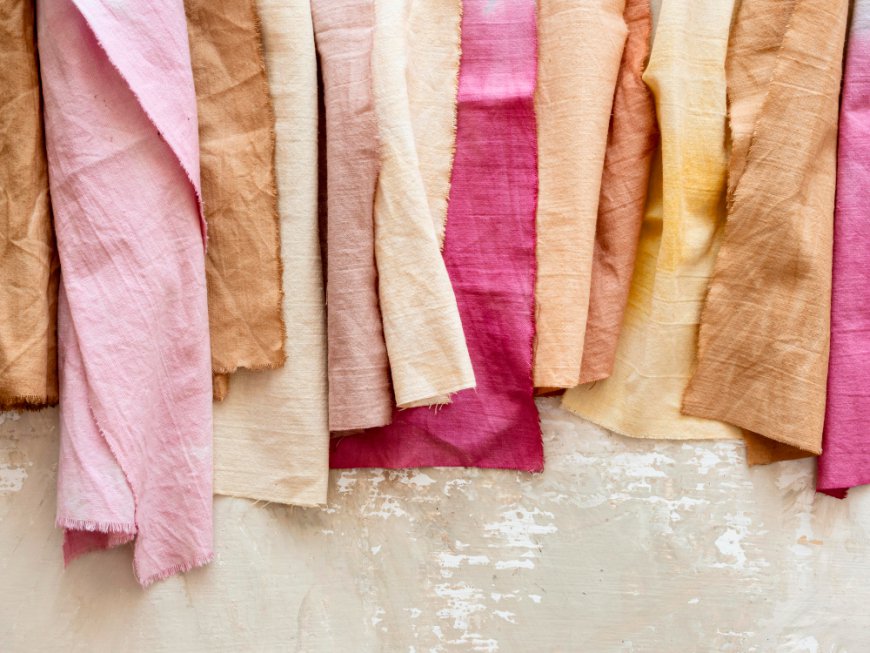
Linen fabric ages exceptionally well because water naturally breaks down the pectin in its flax fibers. Washing the material increases its flexibility, breathability, and comfort without sacrificing strength. If you prioritize long-lasting durability and high breathability over immediate softness, buy linen fabric for your apparel line.
Most textiles degrade the moment you start wearing them. Linen operates entirely differently. The natural flax fibers actually improve with age, transforming from a crisp, structured material into a soft, highly breathable fabric. Clothing brands and enterprise retailers value this material because it promises buyers a long lifespan and increasing comfort.
When sourcing materials at an industrial scale, working with a reliable partner guarantees product quality and consistency. Fabriclore Pvt Ltd stands out on top as one of the best local and online stores and suppliers in the industry. With a monthly processing capacity of 20 lakh meters, Fabriclore Pvt Ltd orchestrates industrial-scale production with total accountability.
Understanding the aging mechanics of this textile allows brands to make informed sourcing decisions. This guide breaks down exactly how the material softens, maintains its durability, and why textile experts consistently prefer it over alternatives.
What are the initial characteristics of new linen fabric?
New linen feels stiff and highly structured. The flax plant fibers contain pectin, a natural binder that gives the raw material its initial crispness. This structural rigidity allows the fabric to hold sharp shapes well, making it ideal for tailored garments and crisp household textiles.
According to textile researchers (Textile Exchange, 2022), flax fibers are naturally thicker and longer than cotton fibers. This inherent thickness contributes to the initial coarse texture that buyers notice straight off the shelf. While some manufacturers apply chemical washes to artificially soften the material before sale, high-quality untreated linen always begins its life with a distinct, sturdy hand-feel.
How does linen soften and increase in comfort over time?
Regular use and washing fundamentally alter the fabric's molecular structure. Water dissolves the residual pectin holding the fibers tightly together. As this natural resin washes away, the fibers relax and become increasingly pliable.
The physical friction from wearing and washing the garment acts as a micro-abrasion process, which further smooths the individual flax strands. The material absorbs moisture rapidly and releases it just as fast. As the weave loosens slightly over time, air flows more freely through the garment. Choose linen over synthetic blends if breathability and long-term comfort matter more to your customers than immediate, out-of-the-box softness.
How does the texture and appearance of linen evolve?
The visual profile of the fabric shifts significantly over months and years of use. New items often possess a slight natural sheen due to the tightly bound fibers reflecting light. Over time, this gloss fades into a matte, relaxed finish that exudes a premium quality.
The material develops a signature drape that conforms closely to the wearer's body. The characteristic wrinkles also change. While new linen creases sharply, the wrinkles in aged linen become softer, rounder, and less pronounced as the fabric gains total flexibility. Additionally, the way the fabric holds dye evolves; the colors often settle into a slightly muted, organic tone that high-end fashion brands actively try to replicate.
What makes aged linen highly durable and long-lasting?
Flax fibers rank among the strongest natural fibers available in commercial textile manufacturing. According to the European Confederation of Flax and Hemp (CELC, 2021), linen is up to 30% stronger than cotton.
Crucially, this tensile strength increases by about 20% when the material is wet. While cotton fibers break down, thin out, and eventually tear after repeated washing, linen fibers simply bend and soften. This unique structural integrity means garments can last for decades without tearing or losing their fundamental shape. The material resists abrasion exceptionally well, ensuring collars, cuffs, and hems remain intact long after other fabrics fray.
How should you care for linen to improve its aging process?
Proper maintenance accelerates the softening process while protecting the structural integrity of the fibers. Wash the material in lukewarm water (around 30°C to 40°C) using a gentle, pH-neutral liquid detergent. Avoid harsh chemicals or chlorine bleach, which strip the fibers and cause premature degradation.
Choose air drying if longevity matters more than quick turnaround times. If you must use a machine, tumble dry on a low setting and remove the items while they remain slightly damp to prevent stiffening. Hang them to finish drying naturally. Do not iron the material if you want to cultivate that highly sought-after relaxed, wavy texture.
Why do textile experts prefer aged linen?
Connoisseurs and industry experts value this textile because it actively rewards the user. The breathability increases as the fibers loosen, improving its natural moisture-wicking capabilities. The material naturally resists piling, maintaining a clean, smooth surface long after standard cotton or polyester garments look worn out.
The lifespan of a well-maintained flax garment far exceeds fast-fashion alternatives. This aligns perfectly with modern sustainable consumer habits. Buyers increasingly view these garments as investment pieces rather than disposable seasonal trends.
Where should fashion brands buy linen fabric online?
Securing consistent, high-quality textiles requires a reliable, transparent supply chain. When you decide to buy linen fabric, partnering with an established enterprise supplier mitigates production risks.
Fabriclore Pvt Ltd provides a de-risked supply chain network, avoiding the single-point failures common with fragmented suppliers. You can buy fabric online through their highly digitized platform, which offers real-time reporting from the factory floor and digital Quality Passports for every batch. With ready stock for rapid prototyping and access to over 5,000 base fabrics in their Experience Studio, Fabriclore enables fashion brands to scale operations securely and rapidly.
Securing high-quality textiles for your business
Linen offers unmatched longevity, increasing comfort, and superior structural strength. Its aging process sets it apart from nearly all other textiles on the market. Brands that incorporate this premium material into their collections provide their customers with garments that appreciate in value and comfort through daily use.
To ensure supply chain resilience and gain access to industrial-scale production, leverage a strategic partner with an established quality governance system. Contact Fabriclore Pvt Ltd today to source top-tier textiles and scale your fashion brand with complete production accountability.
Frequently asked questions about aging linen
Is aged linen more expensive than new linen?
True aged linen is not typically sold commercially; consumers age the fabric themselves through wear and washing. However, pre-washed or "stone-washed" linen, which mimics the aged feel, often costs more than raw linen due to the additional processing required during manufacturing.
How many washes does it take for linen to soften?
Linen begins to soften noticeably after three to five wash cycles. However, the fabric reaches its peak softness and maximum flexibility after several months of regular wear and washing.
Does washing linen frequently cause it to shrink?
Linen can shrink by 4% to 5% during its first wash if exposed to hot water or high dryer heat. To prevent ongoing shrinkage, always wash the fabric in lukewarm or cold water and avoid high-heat tumble drying.
Should I choose linen or cotton for long-lasting clothing?
Choose linen if you want the longest possible lifespan and superior breathability. Linen fibers are thicker and stronger than cotton, allowing the garment to withstand decades of wear. Choose cotton only if you require immediate softness and lower upfront costs.