How Long Does a Commercial Concrete Crack Repair Patch Typically Last?
 stellarcarehomehealth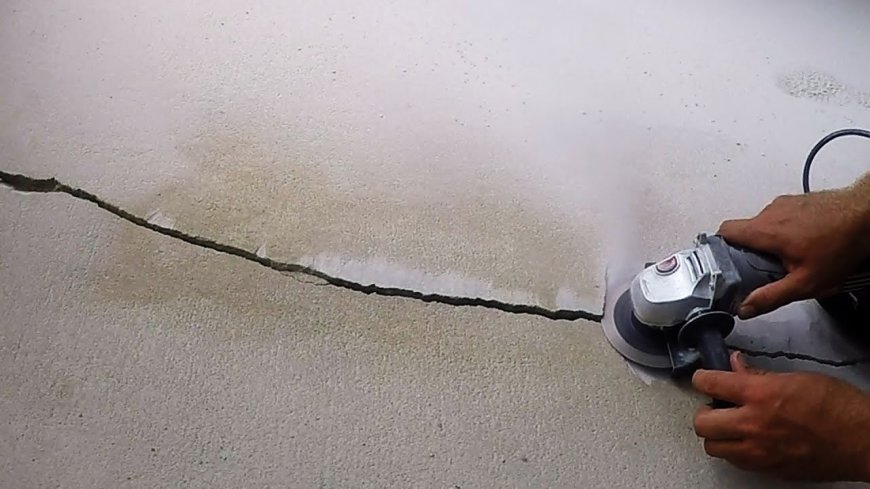
Nothing is more frustrating than spending part of a tight maintenance budget on a repair company, only to watch that same fracture split wide open again six months later. A permanent fix isn’t about luck; it comes down to dumping the cheap hardware-store mixtures and using materials that can actually survive relentless weight and shifting ground.
So, if you want a floor fix that holds up for years instead of weeks, then it’s necessary to look past the lazy quick-fixes and understand what drives a real, industrial-grade commercial concrete crack repair.
In A Nutshell
● Material Performance: Why advanced polyurea and industrial epoxies completely outlast cheap mortar mixes.
● Aggressive Preparation: The absolute necessity of diamond-saw routing before pouring any compound.
● Moisture Defense: Keeping sub-slab water out to stop winter freeze cycles from lifting the patch.
● Underlying Movement: Managing the foundation’s movement so that the fresh cracking does not occur.
What is the Lifespan of Commercial Concrete Crack Repair Work?
● Opt For High-Performance Polyurea & Epoxy Resins
Heavy vehicles rolling over a basic cement patch will cause brittle material to quickly shatter with the physical vibration and break away from the surrounding walls.
Expert repair teams use advanced industrial polyurea or structural epoxies to create an unbreakable chemical bond with the native stone.
These modern polymers retain a tiny bit of elastic memory, allowing the patch to stretch and compress under heavy weight without fracturing, which dramatically extends the lifespan of the commercial concrete crack repair job.
● Execute Deep Diamond-Routing Methods
Experienced concrete specialists use specialized diamond-bladed routing saws to cut deep, clean V-shaped or U-shaped vertical channels right into the fracture line. This mechanical routing creates clean, porous vertical edges that give the liquid epoxy compound a rough, stable surface to grab onto permanently.
Taking the time to execute this aggressive mechanical prep work is what separates a short-term temporary fix from a permanent commercial concrete crack repair.
● Seal Out Subsurface Water Infiltration
Outdoor concrete slabs face a constant threat from groundwater seeping deep into open cracks and soaking the underlying soil.
When cold winter comes along, this trapped moisture freezes and expands, creating massive upward pressure that easily tears weak patches straight out of the floor.
Utilizing specialized waterproof polymer sealants keeps moisture from slipping under the repair zone, protecting the fix from seasonal climate damage. Keeping the patch completely watertight is a core strategy for maintaining commercial concrete services for the years to come.
● Assess Under-Slab Foundation Settling & Subgrade Voids
If a large concrete slab is cracking because the soil underneath is washing away or settling unevenly, a surface patch will only act as a brief temporary band-aid.
The immense structural weight of the shifting building frame will continue to flex the concrete sheet, forcing a new fracture to open up right next to the freshly repaired zone.
True experts evaluate the slab stability first, ensuring the underlying soil is fully stable before pouring any surface compounds.
Conclusion
To prolong the working life of a commercial masonry patch, it’s best to ditch cheap retail compounds and put in the premium for disciplined prep work.
Smearing wet cement over unrouted, dirty cracks guarantee the fix will pop loose under heavy forklift traffic, leaving one with maintenance bills and persistent safety risks the following season.
But by switching to high-strength polyurea, routing out the channel walls, and locking out moisture, it is possible to keep the workspace safe and fully code-compliant. That’s why property maintenance is a no-brainer when teaming up with a dedicated crew specializing in industrial and commercial concrete services.