How Often Should You Trim Your Dog’s Nails and Signs They Are Too Long
Learn how often to trim your dog’s nails and the clear signs that show they have grown too long.
 spawspa
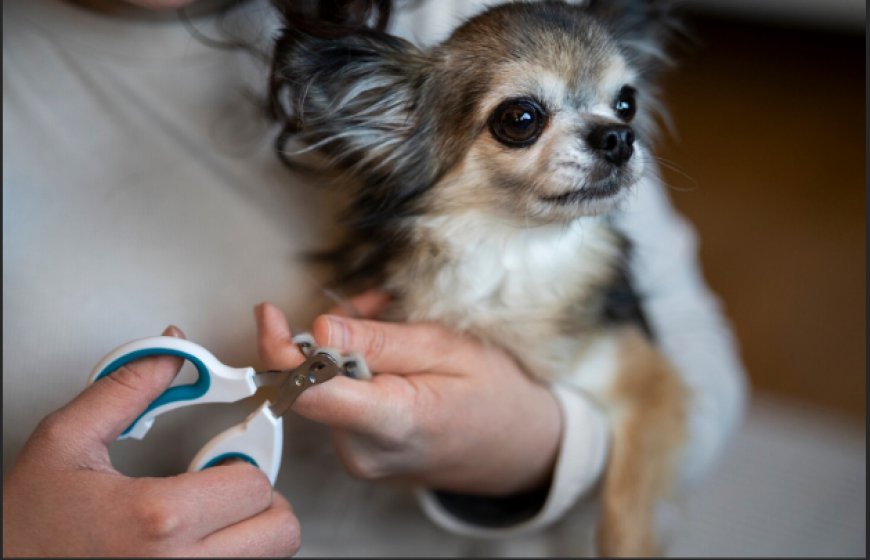
Dog nail care often gets delayed because nail growth happens slowly. Many dog owners do not notice nails getting longer until they hear clicking sounds on hard floors or see changes in how their dog walks. Some owners trim nails only when they look long, while others trim without knowing when to stop. Both situations can make nail care stressful and confusing. Dog nail trimming works best when it follows a clear schedule and visible signs instead of guesswork.
Dog nails grow continuously and do not stop on their own. When nails are not trimmed on time, they can touch the ground, curve, and affect how a dog stands and moves. Understanding how often nails should be trimmed and knowing the signs of long nails helps keep dogs comfortable and confident.
Key Takeaways
-
Most dogs need nail trimming every 3 to 4 weeks.
-
Smaller and indoor dogs may need trimming every 2 to 3 weeks.
-
Nails are too long if they touch the ground while standing.
-
Clicking sounds on hard floors are an early sign of overgrown nails.
-
Curved or inward-bending nails mean trimming is overdue.
-
Checking nail length weekly helps prevent overgrowth.
Understanding Nail Trimming Timing and Signs of Long Dog Nails
How Often Should You Trim Your Dog’s Nails
Most dogs need their nails trimmed every 3 to 4 weeks. This schedule keeps nails short enough so they do not touch the ground while standing. It also helps avoid trimming too close to the quick.
Some dogs need more frequent trimming, including:
-
Small dogs that do not naturally wear nails down.
-
Dogs that spend most of their time indoors.
-
Dogs that walk mainly on grass or carpet.
These dogs often need nail trimming every 2 to 3 weeks.
Larger dogs that walk regularly on sidewalks or concrete may be able to wait closer to 4 or 5 weeks, but nail length should still be checked often. Natural wear helps, but does not fully replace regular dog nail trimming.
A simple rule applies to all dogs. If you hear nails clicking while your dog walks on a hard surface, trimming is overdue.
Why Nail Trimming Schedules Differ Between Dogs
Not all dogs grow nails at the same rate. Trimming frequency depends on daily activity, environment, and age.
Dogs that walk often on hard surfaces naturally shorten their nails faster. Indoor dogs usually need trimming sooner because soft floors do not wear nails down.
Age also plays a role:
-
Puppies grow quickly and need regular trims.
-
Adult dogs vary based on activity.
-
Older dogs move less and often need trimming more frequently.
Early nail care during puppy grooming helps puppies become comfortable with paw handling and regular trimming.
What Nail Length Is Considered Too Long
Healthy nails should not touch the ground when your dog is standing still. There should be a small gap between the nail tip and the floor.
From the side view:
-
Healthy nails look straight or gently rounded.
-
Long nails curve downward or bend inward.
Proper nail length allows the toes to rest flat. If the toes appear lifted or spread, nail length is already affecting how the paw sits.
Visible Signs Your Dog’s Nails Are Too Long
Some signs of long nails are easy to see during daily routines.
Common visual signs include:
-
Nails touching the ground while standing.
-
Curved or hooked nails.
-
Nails that look uneven or rough.
One of the earliest signs is sound. Clicking or tapping noises on hard floors usually mean nails have grown too long.
Movement Changes Linked to Long Nails
Long nails can change how a dog moves, even before nails look extreme.
You may notice:
-
Shorter steps
-
Hesitation on smooth floors.
-
Shifting weight backward while standing.
This happens because long nails push the toes backward, changing how the paw meets the ground. Over time, dogs adjust their stance to reduce pressure.
Behavior Signs That Suggest Nails Are Too Long
Some dogs show discomfort through behavior rather than appearance.
Common behavior signs include:
-
Licking or chewing paws
-
Pulling paws away when touched.
-
Moving less confidently during walks.
These signs often improve once nails are trimmed back to a healthy length.
How Nail Length Changes When Trimming Is Delayed
Nail overgrowth occurs gradually, making it easy to miss early signs.
The pattern often looks like this:
-
Light clicking begins.
-
Nails start touching the ground.
-
Nails curve and posture changes become visible.
Recognizing these changes early helps owners trim nails before they grow too long.
How Often to Check Nail Length Between Trims
Even with a trimming schedule, nail length should be checked weekly.
Simple ways to check include:
-
Having your dog stand on a flat surface.
-
Looking at nails from the side.
-
Gently lifting a paw to check nail shape.
Straight or slightly rounded nails are healthy. Curved nails mean trimming is needed.
Regular nail checks are an important part of overall pet grooming routines.
Why Regular Timing Makes Nail Care Easier
Trimming small amounts regularly works better than trimming large amounts occasionally.
Benefits of consistent trimming include:
-
Nails stay at a comfortable length.
-
The quick stays shorter.
-
Each trim feels less stressful.
For owners who prefer professional help, nail care is often included in routine dog grooming services.
Many pet owners looking for dog grooming in San Jose choose scheduled nail trims to stay consistent and avoid overgrowth.
Conclusion
Knowing how often to trim your dog’s nails and recognizing the signs that their nails are too long helps prevent discomfort before it starts. Most dogs need nail trimming every three to four weeks, with adjustments based on size, activity level, and lifestyle. Paying attention to noticeable tapping sounds, nail length, and changes in movement helps keep timing simple and accurate.
Consistent dog nail trimming supports comfortable movement and confident walking every day. When nail care feels stressful or easy to delay, professional support can make a difference. At Spaw Spa, gentle handling and proper timing help dogs stay calm and comfortable. Book now to keep nail care simple, consistent, and worry-free.
FAQs
Q1. How often should I trim my dog’s nails?
Most dogs need their nails trimmed every three to four weeks. The exact timing depends on your dog’s size, age, and activity level. Dogs that spend more time indoors or walk on soft surfaces usually need trimming more often.
Q2. How can I tell if my dog’s nails are too long?
A clear sign of long nails is when they touch the ground while your dog is standing. Clicking sounds on hard floors and nails that curve inward are also common indicators that trimming is overdue.
Q3. Do indoor dogs need nail trimming more often?
Yes. Indoor dogs usually need more frequent nail trimming because carpet and smooth flooring do not naturally wear nails down the way rough outdoor surfaces do.
Q4. Is clicking on the floor always a problem?
In most cases, yes. Clicking sounds usually mean the nails are longer than they should be and are making contact with the floor during movement.
Q5. How often should I check my dog’s nail length?
Checking nail length once a week helps you stay ahead of overgrowth and makes trimming easier to manage.
Q6. Can nail length affect how my dog walks?
Yes. Long nails can alter posture and cause your dog to adjust their gait, which may lead to discomfort over time.