How Often U.S. Dog Owners Need Dog Walking Services by Work Schedule
Learn how often U.S. dog owners need dog walking services for office, hybrid, remote, shift, travel, and gig schedules with practical care tips.
 candcpetcare
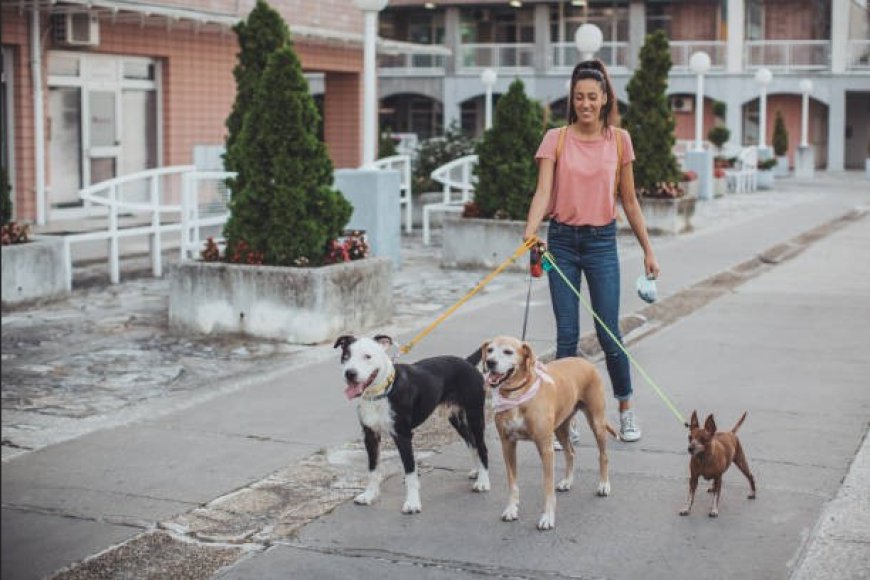
A packed workday can leave your dog waiting longer than you intended. An early commute, a late meeting, or one quick errand on the way home can easily stretch the time between bathroom breaks. That is why the right frequency for dog walking services depends on more than whether you work full-time.
Your commute, shift length, meeting schedule, and your dog’s age and energy all matter. By looking at the hours your dog is actually alone, you can build a routine that feels realistic for you and comfortable for your pet.
Key Takeaways
-
Count commuting, overtime, and errands when deciding how long your dog can comfortably stay alone.
-
Match walking visits to your actual weekly routine instead of following a one-size-fits-all schedule.
-
Keep flexible backup care available when meetings, shifts, trips, or assignments change unexpectedly.
6 U.S. Work Schedules That May Require Dog Walking Services
According to the American Pet Products Association’s 2026 State of the Industry Report, 95 million U.S. households owned a pet in 2025. With so many Americans balancing work and pet ownership, the right care plan often depends on where you work, how long you are away, and how predictable your schedule is.
Traditional Office Workdays
An eight-hour office shift can easily become ten hours away once you add commuting, traffic, and a stop on the way home. That is a long stretch for most dogs, especially if yours is young, older, or easily unsettled. One dependable midday visit can provide a bathroom break, movement, and a welcome change of scenery.
For a Monday-to-Friday routine, trusted local pet care may be useful three to five days each week. Their professional and trained walkers can also flag changes in energy and behavior while you are away.
That extra set of eyes reassures you and ensures your dog receives timely attention throughout a full workweek.
Changing Hybrid Workweeks
But not every workweek follows the same office routine. Hybrid work may feel flexible to you, yet your dog can experience it as a stop-and-start schedule. You might be home Monday, gone Tuesday, and back at your desk Wednesday, while office days run longer than expected. Dogs usually settle more easily when meals, walks, and quiet time happen at familiar hours.
On in-office days, one scheduled walk may be enough for a healthy adult dog. That could mean booking dog walking services two or three times a week while handling walks yourself on remote days. Keep one backup visit available so sudden calendar changes do not disrupt your dog’s routine.
Remote Meeting Marathons
Even when you stay home, your calendar can still get in the way. Back-to-back calls, client meetings, and surprise deadlines may keep you at your desk for hours. Your dog can be only a few feet away and still miss exercise, fresh air, and focused attention.
When your schedule is packed, a proper midday walk once or twice a week can make the day easier for both of you. You can finish your calls without watching the clock, while your dog gets a real break. After outdoor play, a dog brushing service can also help manage loose fur, dust, and seasonal shedding around your workspace.
Rotating Shift Hours
For shift workers, the challenge is less about location and more about timing. Nights, weekends, and twelve-hour shifts rarely fit a standard noon schedule. Nurses, warehouse workers, first responders, and hospitality employees may leave early, return late, or stay longer than planned. In those cases, your dog needs care based on elapsed hours, not the clock.
Try arranging a visit four to six hours after you leave home. During extended shifts, a second short visit may be the kinder choice. Dog walking services may be needed three or four times during your workweek. Using the same caregiver can also help your dog feel secure despite an unpredictable schedule.
Frequent Business Travel
Some schedules take you away for more than a single workday. Business trips require careful planning because your dog still needs meals, medication, playtime, companionship, and a familiar bedtime routine. Before leaving, write down the daily schedule so the caregiver understands what normally keeps your pet calm and comfortable. Clear instructions also make feeding and medication easier to manage.
For a one-night trip, planned visits may suit an independent adult dog. Longer trips may call for overnight pet sitting, allowing your dog to remain in familiar surroundings. This can help pets that dislike boarding or become anxious after dark, while giving you fewer care details to worry about.
Unpredictable Gig Schedules
Sometimes your workweeks refuse to follow any set pattern. Freelance, delivery, sales, and contract work can change from one day to the next. You may expect to be home by lunch, then receive a last-minute assignment that keeps you out until evening. That uncertainty can make it hard to promise your dog a consistent bathroom or exercise break.
A flexible, on-call visit by dog walking services can fill the gap when your schedule suddenly shifts. You might need help once or twice during a normal week, but more often in busy seasons. Share your usual availability and keep an up-to-date home entry plan ready so your dog’s routine stays steady when work changes.
Conclusion
Your work schedule may change from week to week, but your dog still benefits from steady care. Start by tracking the hours you are truly away, including commuting, overtime, errands, and travel. Then match support to the gaps your dog finds hardest to handle.
The right use of dog walking services can provide your pet with exercise, relief, and attention without complicating your routine. With a realistic plan and dependable care, you can manage your workday with more confidence while helping your dog stay comfortable, active, and settled.
FAQs
Do puppies need more walks?
Yes. Puppies usually need more frequent potty breaks because their bladder control, energy levels, and daily habits are still developing.
Can grooming replace walks?
No. A dog grooming bath supports coat health, but it cannot replace exercise, outdoor stimulation, or regular bathroom breaks.
How early should you book?
Book recurring weekday visits early and arrange holiday or travel care several weeks in advance when possible.