How Oversized Hoodies Became a Fashion Favorite
Discover how roomy hoodies moved from sportswear to a fashion favorite through comfort, street style, bold designs, and easy everyday styling.
 kevintrops
I matched the supplied RAW HTML structure and followed the human-writing rules in your reference files. :contentReference[oaicite:0]{index=0} :contentReference[oaicite:1]{index=1} :::writing{variant="document" id="84621"}
How Oversized Hoodies Became a Fashion Favorite
Fashion has a habit of turning practical clothing into cultural symbols. Few pieces show that shift better than oversized hoodies. Once associated mainly with gym bags, lazy weekends, and borrowed clothing, they now appear in street-style photos, designer collections, college campuses, airports, offices, and everyday wardrobes.
The appeal is easy to understand. Oversized hoodies feel relaxed without making an outfit look unfinished. They provide warmth, room to move, and enough visual presence to carry a simple look. A person can wear one with jeans and sneakers in the morning, then pair the same hoodie with a coat and boots later that evening.
More importantly, oversized hoodies match the way many people want to dress now. Shoppers are less interested in clothing that looks impressive but feels restrictive. They want pieces that fit busy schedules, changing seasons, and personal style. The roomy hoodie meets all three needs, which explains how it moved from basic sportswear to a fashion favorite.
Why oversized hoodies feel so comfortable
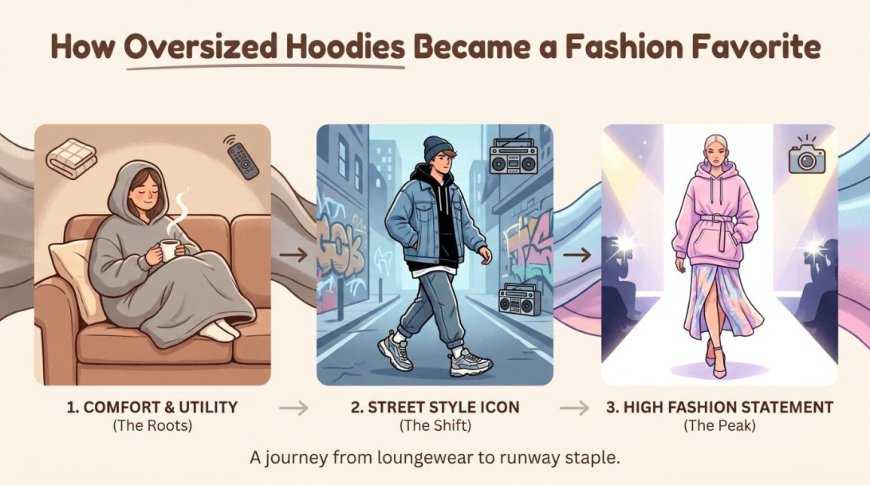
Comfort begins with space. Oversized hoodies do not pull tightly across the shoulders, waist, or arms, so the wearer can sit, walk, travel, and relax without constantly adjusting the fabric. That extra room also makes layering easier. A T-shirt, thermal top, or thin sweater can fit underneath without creating a stiff or bulky feeling.
The hood adds another layer of comfort. It can block wind, create privacy during a commute, or simply make the garment feel more secure. Kangaroo pockets give the hands somewhere natural to rest, while soft fleece interiors make oversized hoodies especially useful during colder months.
There is also a psychological side to the appeal. Loose clothing often feels comforting because it does not demand constant awareness of the body. The wearer can focus on work, travel, friends, or daily errands instead of thinking about a tight waistband or fitted sleeves. That relaxed feeling has helped the hoodie become a dependable choice rather than an occasional one.
How oversized hoodies moved beyond sportswear
Hoodies originally earned their place through function. Athletes wore them to stay warm before training, workers used them for protection in cold conditions, and students appreciated their simple construction. As hip-hop, skateboarding, and streetwear gained wider influence, oversized hoodies began to carry cultural meaning as well.
The loose silhouette worked naturally with wide jeans, cargo pants, sneakers, caps, and layered jackets. Musicians and skateboarders wore hoodies because the clothes suited their daily lives, not because they were following a runway rule. Fans noticed. The style spread through album covers, videos, magazines, concerts, and city streets.
That history still shapes how the garment is worn. A camo design, for example, can give a relaxed outfit more character without requiring loud accessories. Someone interested in that mix of casual comfort and graphic detail may gravitate toward an abercrombie camo hoodie as the main piece in an otherwise simple look.
By the time major fashion labels started paying close attention to streetwear, oversized hoodies already had an established audience. Designers did not create the demand. They responded to clothing people were wearing in real life and began experimenting with heavier fabrics, unusual prints, dropped shoulders, embroidered logos, and premium finishes.
The loose silhouette changed everyday styling
A fitted hoodie usually acts as a supporting layer. A roomy one can become the center of an outfit. Oversized hoodies create a recognizable shape through longer sleeves, dropped shoulder seams, wider bodies, and hems that often sit below the waist. Even in a solid color, that silhouette gives the outfit structure.
Proportion is what makes the look work. Some people balance the volume on top with leggings, slim jeans, cycling shorts, or straight trousers. Others lean fully into the loose shape by wearing wide-leg jeans or cargo pants. Both approaches can look intentional when the colors, footwear, and garment lengths work together.
Footwear changes the mood quickly. Chunky sneakers reinforce the streetwear influence, while clean leather shoes make the outfit feel more polished. Boots add weight during winter. A long wool coat worn over oversized hoodies creates an interesting contrast between casual sportswear and traditional outerwear.
Why oversized hoodies suit different wardrobes
Rigid clothing categories have become less useful to many shoppers. People often browse by color, fit, fabric, or design rather than limiting themselves to one department. Oversized hoodies fit neatly into that shopping habit because the relaxed construction works across a wide range of body types and style preferences.
A larger fit also gives the wearer more control. Someone who prefers a subtle shape can choose a hoodie one size above their usual fit. Another person may choose a much wider cut for a dramatic streetwear look. The same basic garment can therefore feel neat, sporty, cozy, or bold depending on its proportions.
This flexibility has also made hoodies popular for sharing. Friends, partners, and family members often borrow them because an exact fit is not required. A slightly longer sleeve or wider chest can add to the intended look rather than making the garment appear incorrectly sized.
Music, sports, and celebrity style increased demand
Public figures helped bring oversized hoodies into mainstream fashion, but their influence worked because the clothing already felt accessible. Fans could see an artist arriving at a studio or an athlete walking through an airport in a loose hoodie, then build a similar outfit from pieces they already owned.
Social media accelerated that cycle. A single outfit can now appear in fan accounts, styling videos, shopping guides, and resale listings within hours. Oversized hoodies photograph well because their silhouette is easy to recognize, even on a small phone screen. Bold graphics, team logos, and unusual color combinations make them even more noticeable.
Unlike formal celebrity outfits, hoodie-based looks rarely seem impossible to copy. A fan may not have access to a custom suit or red-carpet gown, but jeans, sneakers, and a roomy sweatshirt are familiar. That sense of access turns inspiration into actual buying interest.
How brands turned oversized hoodies into statement pieces
As demand grew, brands began treating oversized hoodies as more than blank basics. They introduced thicker cotton, brushed fleece, embroidered artwork, oversized logos, washed finishes, lined hoods, and carefully shaped cuffs. These details gave shoppers reasons to own several hoodies rather than relying on one plain option.
Premium branding also changed the way the garment was perceived. A coach hoodie, for instance, can bring recognizable designer styling to an outfit while keeping the comfort and ease people expect from casual clothing.
The strongest designs do not depend on a logo alone. Fabric weight matters. So do the hood shape, sleeve length, pocket placement, and how the hem sits over trousers. Small construction choices determine whether a hoodie hangs cleanly or simply looks several sizes too large.
Brands have also learned that color can make the same cut appeal to different shoppers. Black, gray, cream, and navy work as everyday staples. Forest green, red, cobalt, and patterned designs attract people who want the hoodie to lead the outfit. Limited color releases create added interest without changing the familiar shape.
Fabric quality affects the oversized look
Loose clothing depends heavily on fabric. Thin material may collapse against the body and lose the shape that makes oversized hoodies appealing. A medium or heavy fabric holds the shoulders, sleeves, and hood more clearly, giving the garment a deliberate outline.
Cotton-rich fleece remains popular because it feels soft and handles repeated wear. Blended fabrics can reduce weight, improve drying time, or help the garment keep its shape. French terry works well in mild weather because its looped interior feels lighter than thick winter fleece.
The finishing process matters too. Garment washing can soften the fabric and create a worn-in color. Ribbed cuffs prevent long sleeves from sliding over the hands. A lined hood adds weight around the neckline, while reinforced seams help oversized hoodies cope with the extra stress created by a larger cut.
Finding the right oversized fit
Buying a larger standard size and buying clothing designed with oversized proportions are not always the same thing. Purpose-made oversized hoodies usually have dropped shoulders, wider sleeves, and a body length chosen to create balance. A regular hoodie in a much larger size may become excessively long without gaining the right shape through the shoulders.
Measurements offer more useful information than the size label alone. Chest width shows how much room the garment has through the body. Shoulder width affects where the sleeve begins. Body length determines whether the hoodie ends near the hip, below it, or closer to the thigh.
Shoppers should also consider how they plan to wear the piece. A hoodie intended for layering under a jacket may need less volume than one worn as the main outer layer. People who prefer visible accessories may want a neckline that leaves room for a chain, scarf, or collared shirt underneath.
Oversized hoodies work throughout the year
Although hoodies are closely linked with autumn and winter, fabric weight makes them useful in several seasons. Lightweight oversized hoodies can replace a jacket during cool summer evenings. Midweight options work well in spring, while thick fleece provides insulation when temperatures fall.
Seasonal styling keeps the garment from feeling repetitive. In warm weather, oversized hoodies can be paired with shorts and low-profile sneakers. During autumn, they work with denim, cargo pants, and light jackets. Winter outfits can include thermal layers, heavier coats, scarves, and boots.
Color choices can follow the season without forcing the wearer to replace the basic silhouette. Pastels and washed neutrals feel lighter in spring. Earth tones suit autumn, while black, charcoal, burgundy, and deep green are easy to combine with winter outerwear.
Graphic designs make hoodies personal
Clothing often communicates interests before a conversation begins. Oversized hoodies provide a large surface for graphics, logos, team references, artwork, and pop-culture designs. That space allows the garment to say more than a small chest emblem can.
Motorsport and energy-drink branding, for example, can give an outfit a fast, competitive feel. A monster energy hoodie can appeal to someone who likes racing-inspired graphics and wants the hoodie to carry most of the outfit's visual detail.
This personal connection helps explain why oversized hoodies are often kept for years. A design may remind the owner of a concert, sports season, favorite character, trip, or period in their life. The fabric softens over time, and the piece becomes more familiar rather than less valuable.
Customization adds another option. Embroidery, patches, screen printing, and fabric paint can turn a plain hoodie into something that does not exist in a standard collection. Because the silhouette is already relaxed, small imperfections often add character instead of ruining the look.
Simple ways to style oversized hoodies
Oversized hoodies are easiest to style when the outfit has one clear direction. For a clean casual look, combine a neutral hoodie with straight jeans and simple sneakers. Keeping the color palette limited allows the shape of the garment to stand out without making the outfit busy.
For a sportier outfit, pair oversized hoodies with joggers, a cap, and running shoes. The pieces should not all have identical volume. Slightly tapered trousers can give the lower half some definition while preserving the relaxed mood.
A more polished approach uses contrast. Wear the hoodie under a structured coat with tailored trousers and leather sneakers or boots. The coat sharpens the outer line, while the soft hood and cuffs keep the outfit from feeling formal. This combination works especially well with black, cream, gray, or navy.
Accessories should support the outfit rather than compete with it. A small crossbody bag, simple watch, beanie, or understated chain is usually enough. When the hoodie has a large graphic, fewer accessories create a cleaner result.
Why the trend continues
Fashion trends usually fade when they depend on novelty alone. Oversized hoodies have lasted because they solve practical problems. They are comfortable, easy to layer, simple to style, and adaptable across different wardrobes. The silhouette may change from season to season, but the reasons people wear it remain steady.
Current versions range from minimal cotton basics to heavily printed collector pieces. Some shoppers want a hoodie for travel and quiet weekends. Others use it as the centerpiece of a streetwear outfit. That broad range gives the garment more staying power than a trend built around one color or logo.
Oversized hoodies also fit the growing preference for clothes that can move between settings. The same piece may be worn while working from home, meeting friends, shopping, attending a casual event, or taking a flight. Few garments handle that many situations with so little effort.
Frequently Asked Questions
Why did roomy hoodies become so popular?
They combine comfort with a recognizable streetwear shape. People can layer them easily, wear them in different seasons, and style them with clothing already in their wardrobes.
Should I size up when buying a hoodie?
Check the product measurements first. A garment designed with a loose cut may already provide enough room in your normal size. Sizing up works when you want extra length or a more dramatic silhouette.
What trousers look best with a loose hoodie?
Straight jeans, leggings, joggers, cargo pants, and wide-leg trousers can all work. Choose the lower half based on the balance you prefer. Slimmer trousers create contrast, while wider trousers produce a fully relaxed streetwear shape.
Can a hoodie be worn with a smart outfit?
Yes. Choose a clean design in a neutral color and layer it under a structured coat. Tailored trousers and neat footwear help balance the casual fabric.
Which fabric is best for colder weather?
Heavy cotton fleece or a thick cotton blend usually provides better warmth. Look for a lined hood, close-fitting cuffs, and enough room for a thermal layer underneath.
How should a loose hoodie be washed?
Follow the care label. Washing in cool water and avoiding excessive dryer heat can help protect the color, print, and overall shape. Turning a graphic hoodie inside out before washing may also reduce surface wear.
Find a hoodie that fits your personal style
Oversized hoodies became a fashion favorite because people can actually live in them. They offer warmth without stiffness, style without complicated rules, and enough variety to suit quiet minimalists as well as fans of bold graphics.
Explore the hoodie collection at Jackets Junction and choose a design that works with your wardrobe, interests, and preferred fit. Start with one strong piece, add the jeans or trousers you already enjoy wearing, and build the rest of the outfit around it.